In a move resonating with both political defiance and humanitarian commitment, Arab leaders have thrown their weight behind Egypt’s ambitious $53 billion initiative to reconstruct the Gaza Strip. This endorsement stands in stark contrast to U.S. President Donald Trump’s controversial proposal, dubbed the “Gaza Riviera,” which envisions the depopulation of Gaza for redevelopment purposes.
Egypt’s proposal is meticulously structured into phases, each targeting specific aspects of Gaza’s recovery and development.
Early Recovery Phase (First Six Months): This initial stage focuses on immediate humanitarian relief and the groundwork for reconstruction. Key actions include:
- Debris Clearance: Addressing the aftermath of extensive bombardments, this phase involves the removal of approximately 50 million tons of rubble, a critical step to pave the way for rebuilding efforts.
- Temporary Housing: To accommodate the displaced population, the plan proposes the establishment of temporary housing units, ensuring that approximately two million Palestinians have shelter during the transition period.
Reconstruction Phase (Two Years): Building upon the foundations laid in the early recovery phase, this stage aims to restore and enhance Gaza’s infrastructure and housing:
- Housing Development: The construction of 200,000 housing units is planned to provide permanent residences for those affected by the conflict.
- Infrastructure Rehabilitation: Efforts will be directed towards rebuilding essential services, including water, electricity, and healthcare facilities, to restore normalcy and improve living conditions.
Development and Modernization Phase (By 2030): The final phase envisions a transformed Gaza, focusing on sustainable development and economic growth:
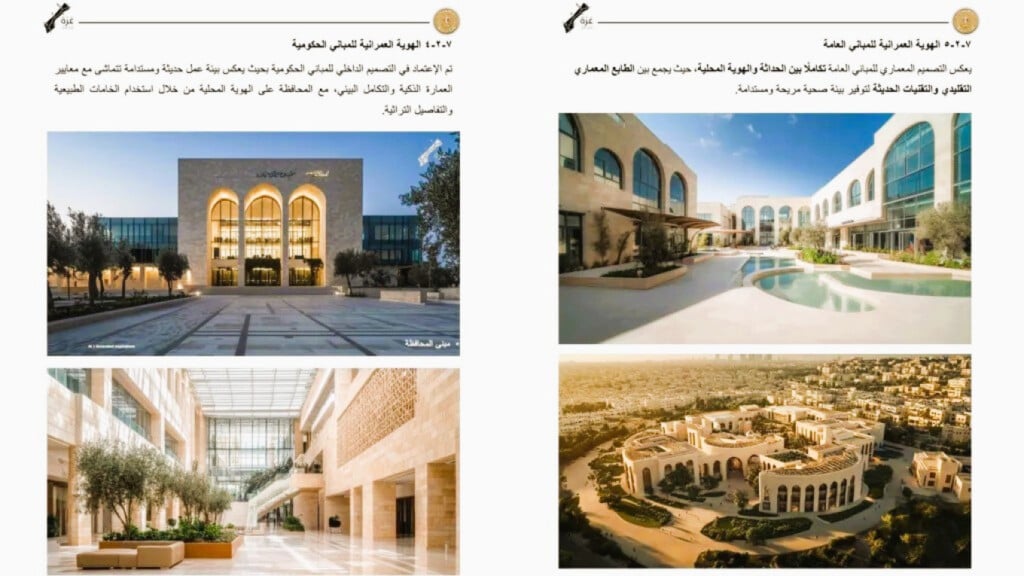
- Urban Expansion: An additional 200,000 housing units will be constructed, aiming to accommodate up to 3 million residents, thereby addressing future population growth.
- Economic Infrastructure: Plans include the development of an airport, industrial zones, hotels, and parks, positioning Gaza as a hub for commerce and tourism.
Contrasting Visions: Preservation vs. Depopulation
The Egyptian plan is rooted in the principle of preserving Palestinian presence in Gaza, directly opposing Trump’s proposal, which has been criticized for advocating the forced displacement of Palestinians to neighboring countries. Trump’s vision of transforming Gaza into a “Middle East Riviera” has been labeled by human rights organizations as a potential act of ethnic cleansing.
Regional and International Reactions
The endorsement of Egypt’s plan by Arab leaders signifies a unified stance against proposals perceived as undermining Palestinian rights. Palestinian President Mahmoud Abbas has expressed support for the initiative, emphasizing the importance of Palestinian self-determination.
Conversely, Israel and the United States have dismissed the plan as impractical, citing concerns over Gaza’s current uninhabitable conditions and the necessity to address security issues related to Hamas.
Egypt’s comprehensive three-phase plan offers a vision for Gaza’s future that emphasizes reconstruction, development, and the preservation of Palestinian identity. As the region grapples with the complexities of post-conflict recovery, this initiative stands as a testament to the resilience and aspirations of the Palestinian people, challenging narratives that seek to erase their presence from their ancestral lands.