NEW YORK, 28 March 2025 (BSS/AFP) – The latest image generator integrated into OpenAI’s ChatGPT has sparked a viral trend online, with users generating AI-created images in the distinctive style of Studio Ghibli, the renowned Japanese animation studio behind classics such as My Neighbour Totoro and Princess Mononoke.
The surge in these AI-generated images—so widespread that OpenAI CEO Sam Altman even adopted a Ghibli-style avatar on social media platform X—has reignited debates over copyright infringement. OpenAI, already facing multiple lawsuits over its alleged unauthorised use of copyrighted material, now finds itself at the centre of fresh scrutiny.
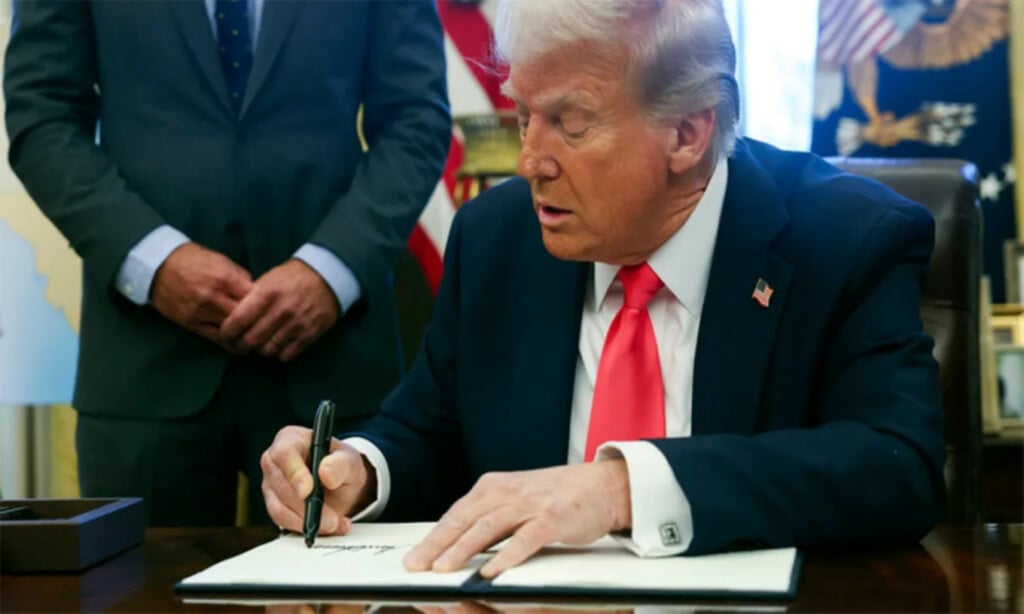
Since the feature’s release on Wednesday, social media has been inundated with Studio Ghibli-inspired images depicting figures such as Elon Musk and US President Donald Trump, reimaginings of The Lord of the Rings, and even controversial depictions of historical events, including a stylised recreation of the September 11 attacks.
The White House also waded into the trend, posting an AI-generated Ghibli-style illustration of an alleged felon being handcuffed by a US immigration officer ahead of deportation—a move that sparked heated discussions over the ethical use of AI in political messaging.
Initially planned as a free feature, OpenAI has since restricted access to paid users, citing unexpectedly high demand. While AI-generated images have been possible on ChatGPT for some time, the latest iteration—powered by the cutting-edge GPT-4o model—allows for significantly more sophisticated creations from minimal user input.
The viral trend has reignited past criticisms from Studio Ghibli itself. A resurfaced 2016 video shows the studio’s legendary director, Hayao Miyazaki, denouncing AI-generated art during a demonstration by developers.
“I would never wish to incorporate this technology into my work at all. I strongly feel that this is an insult to life itself,” Miyazaki said at the time, reinforcing his long-standing opposition to automation in art.
Critics of AI-generated art have voiced concern over what they see as an exploitation of artists’ labour. “This is especially insidious and malicious because of how outspokenly scathing Miyazaki has been toward the tech,” wrote artist and illustrator Jayd ‘Chira’ Ait-Kaci on social media platform Bluesky. “It’s always about contempt for artists, every time.”
OpenAI continues to face a wave of legal challenges, including a high-profile lawsuit from The New York Times and complaints from artists, musicians, and publishers over alleged copyright violations. When asked about the current trend and its potential impact on Studio Ghibli’s intellectual property, OpenAI defended its policies.
“Our goal is to give users as much creative freedom as possible,” a company spokesperson told AFP. “We continue to prevent generations in the style of individual living artists, but we do permit broader studio styles, which people have used to generate and share some truly delightful and inspired original fan creations.”
The spokesperson added, “We’re always learning from real-world use and feedback, and we will continue refining our policies accordingly.”
Meanwhile, OpenAI has been actively lobbying the White House and US Congress to establish clear legal allowances for AI companies to use copyrighted content under ‘fair use’ provisions. These laws already permit search engines, satire, and meme culture to utilise copyrighted materials without explicit authorisation.
As OpenAI navigates these legal and ethical complexities, it is also securing major financial backing. Bloomberg reported on Wednesday that the company is close to finalising a record-breaking $40 billion funding round led by Japan’s SoftBank Group. If completed, this would mark the largest investment ever secured by a startup. OpenAI’s revenue is projected to exceed $12.7 billion in 2025, a significant leap from the $3.7 billion generated in 2024.
As debates over copyright, artistic integrity, and AI-generated content continue, the ongoing popularity of Ghibli-style images underscores both the creative potential and the legal challenges of AI in the digital age.