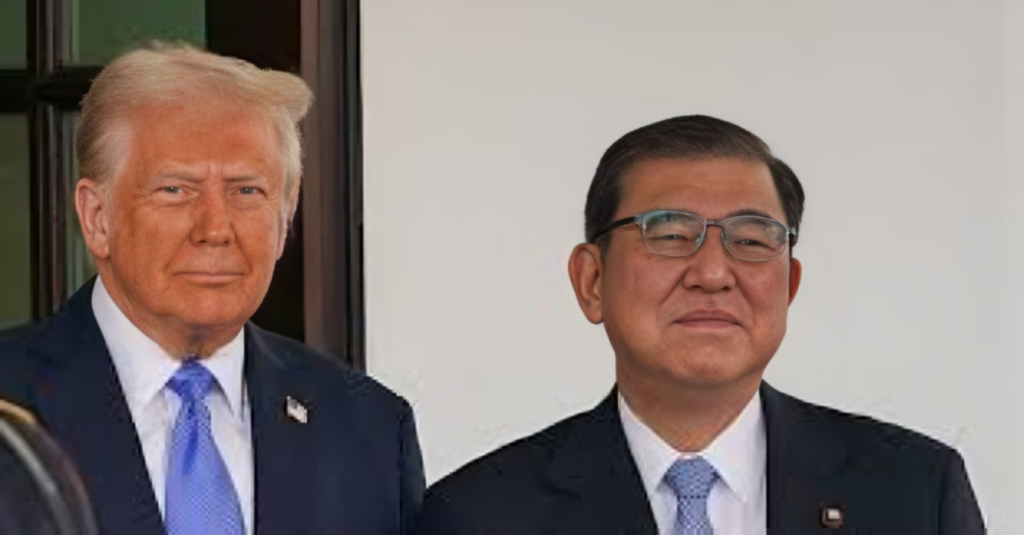
Japanese Prime Minister Shigeru Ishiba confirmed on Wednesday that the United States has agreed to reduce its auto tariffs on Japanese vehicles and car parts from 25% to 15%. This reduction follows a trade agreement between the two nations aimed at easing tensions and fostering stronger economic ties.
Details of the Agreement
| Agreement | Before | After |
| US Tariff on Autos and Car Parts | 25% | 15% |
| Additional Tariff Imposed Since April | 25% | Halved to 15% |
| Previous 2.5% Tariff | Included in the 25% | Included in the 15% |
| Tariff Limits on Volume | No Limit | No Limit |
Details of the Trade Deal
Prime Minister Ishiba stated that the agreement between the two countries would halve the additional 25% tariff that had been imposed on cars and car parts since April, reducing it to 15%. This includes the 2.5% tariff that was previously in place.
“We are the first country in the world to reduce tariffs on automobiles and auto parts, with no limits on volume,” Ishiba told reporters, confirming reports from Japanese media about the development.
Significance of the Deal
The reduction in tariffs is a significant step in the trade relationship between Japan and the United States, as it aims to reduce the financial burden on Japanese automakers exporting vehicles and parts to the US market. This agreement could have a broad impact on the automotive industry, enhancing competitiveness and potentially lowering car prices for consumers.
The move is also seen as a positive outcome for Japan, as it is the first country to achieve such a tariff reduction, a notable achievement in global trade relations.
While the deal does not impose any limits on the volume of exports, it still reflects a significant shift in the US approach to tariffs on automotive goods, offering hope to other trading partners that similar reductions could be on the horizon.
Looking Ahead
With this agreement in place, both countries are expected to continue discussions on further areas of trade cooperation, although this development marks a crucial step in their bilateral trade talks.
Prime Minister Ishiba’s announcement signals a promising sign for the future of Japan-US trade relations, with a focus on reducing trade barriers and fostering a more favourable environment for both sides, especially within the highly competitive automotive sector.