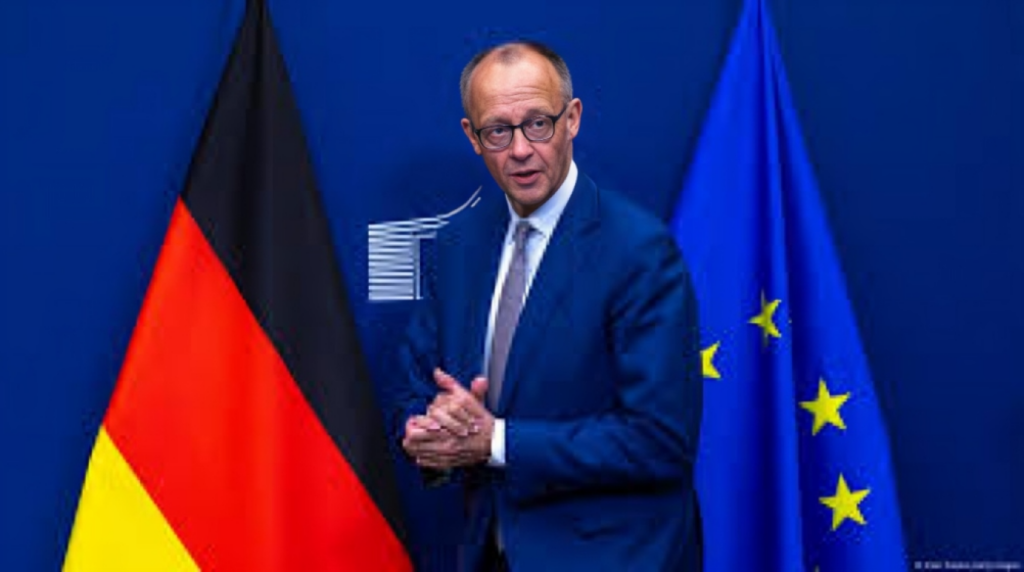
German Chancellor Friedrich Merz on Sunday welcomed the newly announced trade agreement between the United States and the European Union, describing it as a measure that averted an “unnecessary escalation in transatlantic trade relations.” However, the deal has drawn sharp criticism from various German industries, citing high tariff levels and economic risks.
In a statement issued shortly after the deal was publicised, Merz remarked:
“We have managed to preserve our fundamental interests, even if I would have hoped for more significant relief in transatlantic trade.”
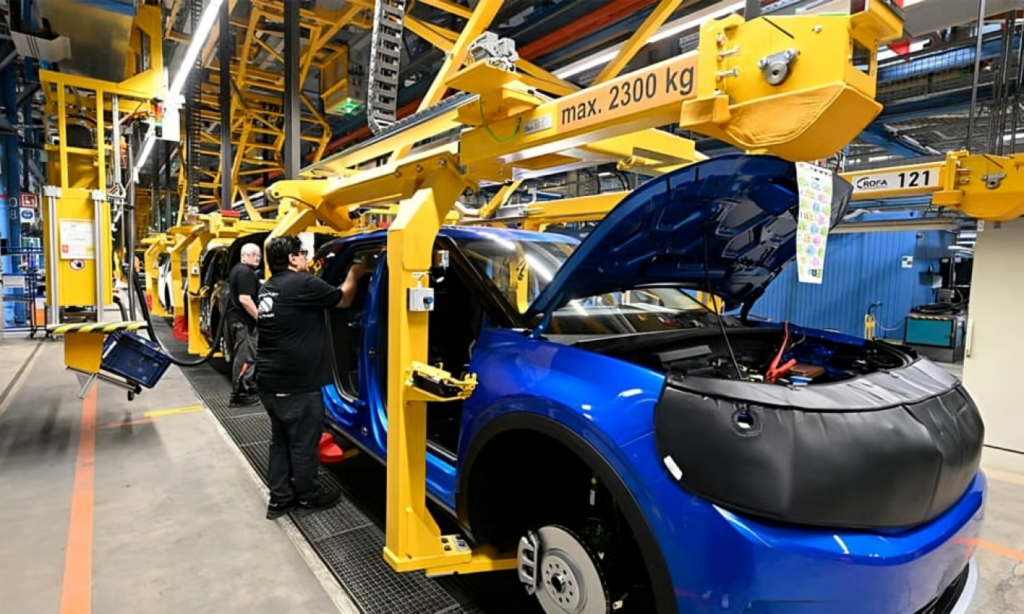
The agreement imposes a 15% baseline tariff on most EU exports to the US. Despite the rates, Merz expressed relief, especially for Germany’s crucial automotive sector, which had previously been threatened with 27.5% tariffs.
Sectors Affected
Germany’s economy is particularly reliant on exports to the US in several industries:
| Industry | Main Concern |
| Automotive | Relief as previous 27.5% tariff averted |
| Chemicals | Tariff levels remain too high |
| Machinery | Continued exposure to US tariffs |
The Federation of German Industries (BDI) criticised the deal as having “considerable negative repercussions” and described it as “a fatal signal to the closely interdependent economy on both sides of the Atlantic.”
The German Chemical Industry Association (VCI) echoed the sentiment:
“When one expects a hurricane, you rejoice at a simple storm. An escalation was avoided, but the cost is high for both sides.”
The BGA exporters’ association called the deal a “painful compromise” that poses an “existential threat” to many businesses.
Mixed Political Response
While the business sector voiced concerns, political leaders showed cautious optimism:
- Chancellor Merz expressed full support for the European Commission as detailed negotiations commence.
- Finance Minister Lars Klingbeil welcomed the agreement as a “good thing as a first step,” while emphasising the need to “assess its impact on Germany’s economy and employment.”
Clemens Fuest, President of the influential IFO Institute, offered a sharp critique:
“The agreement represents a humiliation for the EU that reflects the imbalance in power.”
Though a full trade war appears to have been avoided, significant uncertainty remains as EU and US officials prepare to navigate the finer details of implementation and long-term economic alignment.