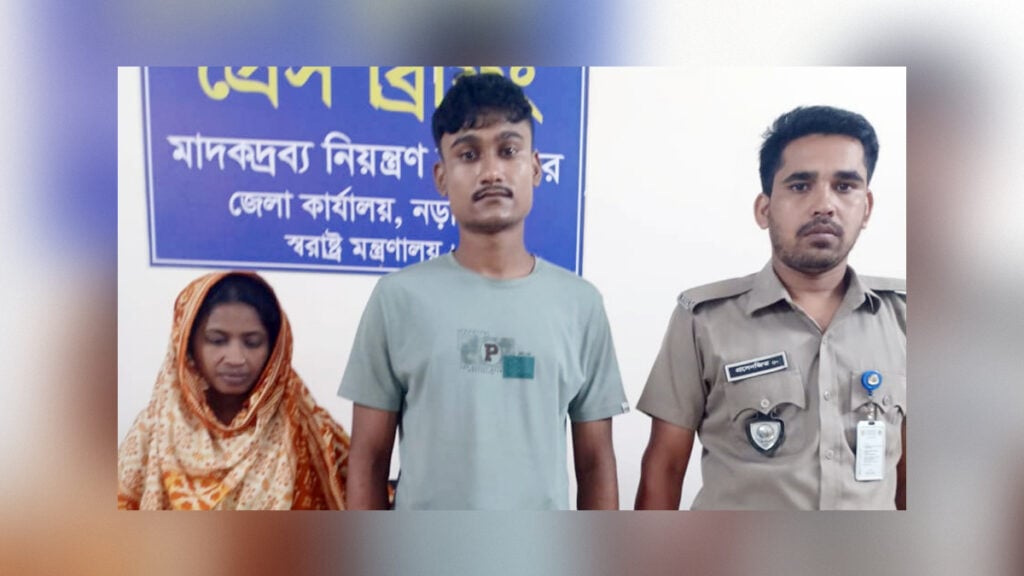
In just seven months, nearly 16,000 children have gone missing across the country. Alarming official police records reveal that, on average, more than 75 children vanish every single day. This massive and troubling figure is not merely a statistic—it represents the intense anxiety, dread, and tears of thousands of families. From the capital city of Dhaka to the most remote corners of the nation, a pervasive fear of child disappearances has taken hold.
A Grim Picture in the Numbers
An analysis of data provided by Police Headquarters shows that from January to July of this year, families filed General Diaries (GDs) at various police stations nationwide for a total of 15,917 missing children. A month-by-month breakdown displays significant fluctuations:
-
January: 1,768
-
February: 1,392
-
March: 1,708
-
April: 2,660
-
May: 256
-
June: 3,163 (Peak month for disappearances)
-
July: 311
According to these statistics, June recorded the highest number of missing children, averaging over 100 disappearances per day.
Stories of Children Caught in Reality
Behind every filed report lies a family’s agonizing anguish. For instance, 10-year-old Mohammad Tanveer Ahmed left home for his madrasa and never returned. After searching desperately everywhere for ten days without a trace, his father, Abdur Rahim, filed a General Diary at Rupnagar Police Station. Similarly, 9-year-old Ali Hossain went missing on the afternoon of May 9 while playing in Mirpur’s Darus Salam area. Unable to find his son despite searching all possible locations, his father was forced to log a report at Darus Salam Police Station the following day. Some children vanish out of sight while playing, others get off at the wrong stop on buses or public transit and fail to find their way back, while others are allegedly lured away with false promises.
Risks Beyond Dhaka: Marginalized Communities and Border Areas
This wave of fear is no longer confined to the capital. Worrying reports are emerging from districts like Chattogram, Pabna, Satkhira, and Jhenaidah. Residents in border areas like Satkhira and Jhenaidah are particularly alarmed by the intense activity of human trafficking rings, creating a heightened risk of children being smuggled across the border.
Why Are So Many Children Vanishing?
Crime experts and human rights advocates attribute the high number of disappearances to several organized criminal networks and broader social crises:
-
Human Trafficking and Mutilation: Trafficking gangs entice or kidnap children to transport them across borders. In many cases, children are intentionally maimed and forced into street begging.
-
Ransom and Revenge: Children are taken hostage over personal feuds, family disputes, or to frame rivals. Kidnapping for large ransom payouts is also prevalent.
-
Infant Theft: Organized rings steal infants and young children from hospitals or homes to sell them at high prices to childless couples.
-
Sexual Abuse and Drug Proliferation: According to Professor Tauhidul Huq, a criminology expert at the University of Dhaka, the spread of illicit drugs directly correlates with rising crime rates. Impunity fueled by slow judicial proceedings and the threat of sexual exploitation embolden criminals.
The Critical Role of Time and Technology in Rescue Operations
Human rights advocates emphasize that the first few hours following a report are the most critical (“Golden Hours”) for an investigation. Rapidly sharing a child’s photo and essential details during this window significantly increases the chances of finding them safe. In past cases involving missing children like Muskan and Saif, swift public alerts through ‘Moon Alert’ and digital billboards along highways and city streets led to successful recoveries.
In practice, however, delays in police response and lax handling after a report is filed result in many children never returning home. Lack of rapid inter-station communication and underutilized technology waste these invaluable initial hours.
Statement from Police Authorities
Addressing the issue of missing children reports, Aktar Hossain, Deputy Commissioner of Dhaka Metropolitan Police, assured that every GD is investigated seriously. However, he highlighted a practical complication: many children who run away or get lost temporarily eventually return on their own or are found by relatives. Because families rarely return to the station to update the records, these reports remain open, leaving law enforcement without fully accurate figures on actual returns and recoveries.
What the State and Society Must Do
Filing a General Diary at a police station cannot be the end of the responsibility. When a child goes missing, their family lives through relentless agony rather than mere waiting.
-
Immediate State Response: As soon as a disappearance is reported, information must be shared seamlessly across police stations, and immediate alerts should be issued across traffic checkpoints and border regions.
-
Leveraging Technology: Photos and key information about missing children should be broadcast swiftly using national databases, social media channels, and digital billboards.
-
Surveillance and Justice: Swift trials and severe penalties must be enforced against child trafficking and kidnapping networks.
-
Family Awareness: Parents must remain vigilant—avoiding leaving children unattended in crowded or unfamiliar places, keeping a close watch during public transit rides, and educating children about the dangers of talking to strangers.
Only proactive preventive measures combined with coordinated, immediate state action can protect children from this alarming crisis.