A Brave Son of the Soil Devoted to the Dream of Freedom
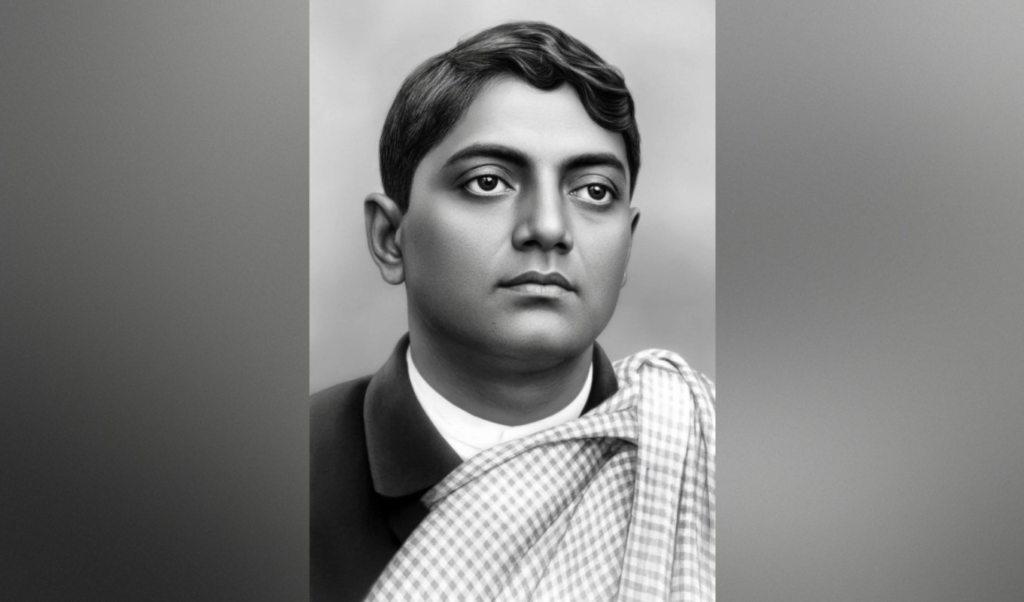
In the history of India’s anti-British independence movement, Bagha Jatin remains a name synonymous with extraordinary courage and defiance. Born Jatindranath Mukherjee, he emerged as one of the chief organisers of the armed revolutionary struggle and a pivotal leader of the Jugantar party.
-
Date of Birth: 7 December 1879
-
Place of Birth: Kaya Village, Kumarkhali, Kushtia
-
Father: Umeshchandra Mukherjee
-
Mother: Sharat Shashi Devi
From early childhood, Jatindranath demonstrated exceptional physical prowess, resolve, and personal bravery. Compassion for others alongside an innate refusal to tolerate injustice formed the core of his character.
It was in 1906 that an extraordinary encounter earned him the moniker “Bagha Jatin” (Jatin the Tiger). Armed with only a dagger, he fought off and killed a Royal Bengal tiger in a deadly confrontation. This act of sheer heroism permanently attached the epithet “Bagha” to his name.
Yet the defining battle of his life was fought not against wild beasts, but against the weight of British colonial rule.
Jatin recognized early on that isolated acts of violence were insufficient to destabilise an empire. He sought to unite disparate revolutionary factions into a coherent, nationwide armed uprising. Under his guidance, the operations of the Jugantar group expanded significantly in scale and discipline.
During the First World War, his strategic vision acquired an international dimension. Seeking to leverage global power shifts, he forged ties with German representatives to secure arms, ammunition, and financial backing for a coordinated revolt across India—a strategy recorded in history as the “German Plot”.
Under the plan, a shipment of weapons from Germany was scheduled to arrive off the coast of Balasore in Odisha. However, British intelligence intercepted details of the operation, triggering a massive crackdown and hunt for the revolutionary leadership.
On 9 September 1915, British forces tracked Jatin and four of his closest comrades to Chashakhand, near the banks of the Buribalam River in Balasore.
Vastly outnumbered and outgunned, the revolutionaries chose armed resistance over surrender. In the prolonged firefight that ensued, Jatin sustained severe wounds. He was captured and moved to Balasore Hospital, where he succumbed to his injuries the following day, 10 September 1915, at thirty-five years of age.
The impact of a revolutionary cannot be measured by length of days. Jatindranath’s short life stands as a testament to absolute devotion; he sacrificed his personal security, future, and ultimately his life for the idea of a free nation.
Though Indian independence lay decades in the future, the sacrifice of Bagha Jatin galvanized subsequent generations of freedom fighters, deepening the resolve to dismantle colonial rule. While historians continue to analyze the strategic efficacy of early armed movements, his courage, organizational vision, and selflessness remain beyond question.
On this day, we honor the memory of Revolutionary Bagha Jatin—a formidable figure of the fiery age of struggle whose legacy remains an enduring chapter in the nation’s history.