Over six hundred women and children fell victim to rape across Bangladesh during the first seven months of 2026, according to figures released by the human rights organisation Ain o Salish Kendra (ASK). Presenting data compiled between January and July, the rights body documented 641 reported rape incidents, comprising 400 adult women and 241 children.
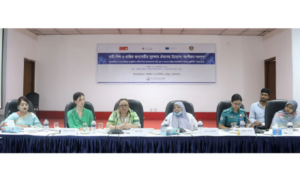
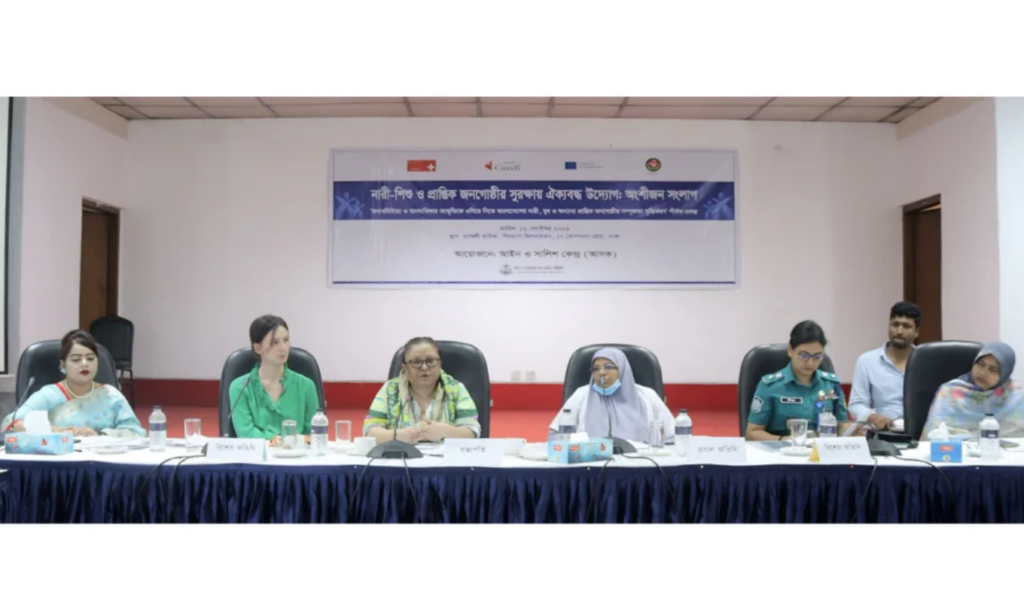
The statistics were unveiled on Wednesday, 16 September, during a stakeholder dialogue titled ‘United Initiatives for the Protection of Women, Children, and Marginalised Groups: Access to Justice and Strengthening Service Delivery’, held at the CIRDAP auditorium in Dhaka. Presiding over the discussion, ASK Executive Director Tahmina Rahman detailed a grim picture of gender-based violence and child rights violations.
Along with the 400 reported cases of rape involving women, the organization recorded 37 instances where rape led to murder, alongside 152 attempted rapes. Violence against children remained equally alarming, with 606 total incidents documented during the same timeframe. Beyond the 241 child rape cases, 213 children were killed, whilst 191 cases of sexual harassment and stalking against women and adolescent girls were officially registered.
Human trafficking figures presented at the conference highlighted further systemic concerns. In 2025 alone, 1,126 new human trafficking cases were filed across the country. As of May 2026, 5,284 trafficking cases remained under investigation or pending trial.
Addressing the assembly, Tahmina Rahman stressed that whilst state and non-governmental services—ranging from legal aid and medical treatment to psychosocial support and shelter—do exist, their fragmented structure forces victims to navigate multiple institutions. This lack of coordination subjects traumatised individuals to bureaucratic delays and unnecessary financial strain.
A key paper presented during the event, citing data from the National Legal Aid Services Organisation website, noted that 1,846,799 people received legal assistance and awareness support between 2009 and August 2026. Among these beneficiaries, 31,222 received aid through the Supreme Court Legal Aid Office, while 1,333,777 accessed help through 64 district-level legal aid offices.
Despite these provisions, speakers pointed out that applying for state-sponsored legal assistance remains cumbersome. Administrative delays caused by irregular meetings of approval committees often stall applications. Rural populations face additional hurdles due to limited awareness, spotty internet connectivity, and inadequate government outreach regarding free legal advice and court-appointed representation.
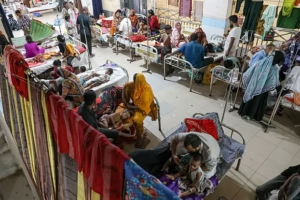
Infrastructure limitations also hinder emergency care. Although Bangladesh operates 95 One-Stop Crisis Centres (OCC) and cells, many facilities lack round-the-clock staffing, dedicated diagnostic laboratories, or private rooms for psychological counselling.
Speaking as a special guest, Additional District and Sessions Judge Rezmin Sultana, representing the National Legal Aid Services Organisation, remarked that true protection lies in preventing rights violations altogether. However, when abuses occur, no single state organ can deliver justice in isolation; seamless inter-agency cooperation remains essential.
The event drew prominent delegates, including Women Support and Investigation Division Deputy Police Commissioner Mst. Liza Begum, Department of Women and Children Affairs Law Officer Ivy Akter, OCC Coordinator Dr Taiyeba Sultana, Naripokkho Programme Manager Kamrunnahar, and Katrina Koenig, Deputy Team Leader of the Civic Engagement Fund.