Pakistan has emerged as the country most affected by terrorism for the first time, according to the Global Terrorism Index 2026, with a sharp rise in terrorism-related deaths recorded during 2025.
The report, produced by the Institute for Economics & Peace (IEP), gave Pakistan a score of 8.574, placing it ahead of all other countries in the index. Pakistan recorded 1,139 deaths and 1,045 terrorist incidents in 2025, with the number of fatalities reaching its highest level since 2013.
The figures mark a significant deterioration in Pakistan’s security situation. Terrorism-related deaths increased by almost 6 per cent from the previous year, making 2025 the sixth consecutive year in which fatalities from terrorism rose in the country. At the same time, the number of attacks fell slightly from 1,098 in 2024 to 1,045 in 2025.
The number of people taken hostage, however, increased dramatically. According to the IEP, hostage-taking incidents rose from 101 in 2024 to 655 in 2025. The combination of rising fatalities and a growing number of high-impact incidents contributed to Pakistan’s position at the top of the index.
Hakani links crisis to past policies
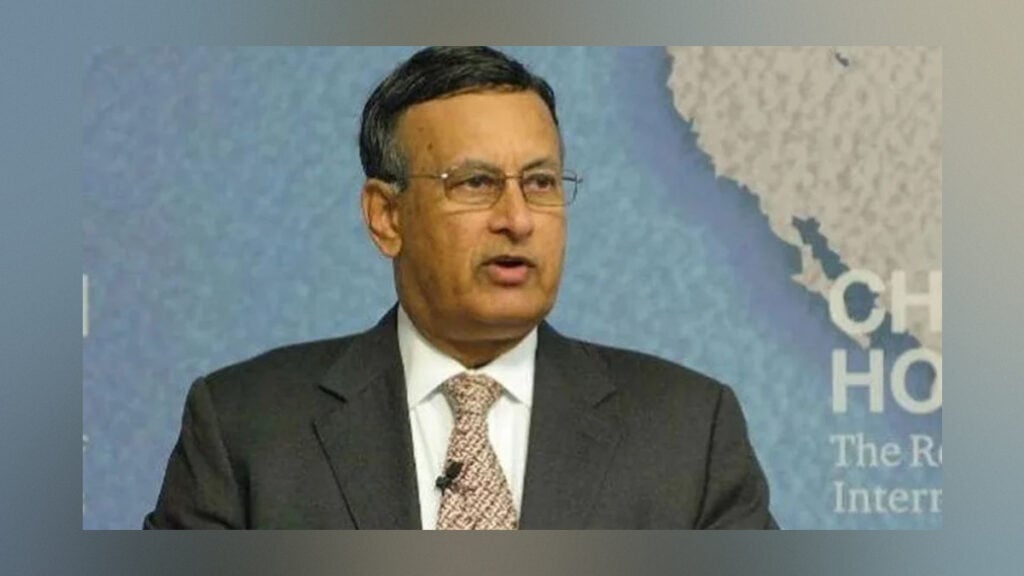
Pakistan’s former ambassador to the United States, Husain Haqqani, linked the country’s current security crisis to its long-standing approach towards militant groups.
Sharing a graphic showing Pakistan’s position on the index on X, Haqqani wrote that keeping a snake in the backyard could eventually result in the snake biting those inside the house. He argued that Pakistan had begun arming extremist jihadist groups about five decades ago and was now facing the consequences of that approach.
His comments reflect a long-running debate over Pakistan’s historical policies towards militant organisations and the subsequent impact of militancy on its own security. The GTI report itself, however, focuses on measurable patterns of terrorism, including deaths, incidents and hostage-taking, rather than assigning responsibility for the country’s wider historical policy choices.
Balochistan and Khyber Pakhtunkhwa bear the brunt
The violence is heavily concentrated in Pakistan’s western border regions. More than 74 per cent of all terrorist attacks recorded in Pakistan in 2025 took place in Balochistan and Khyber Pakhtunkhwa, while the two provinces accounted for 67 per cent of terrorism-related deaths.
The IEP attributes part of the deterioration to developments along the Pakistan-Afghanistan border. The Taliban’s return to power in Afghanistan in 2021 has altered the regional security environment, while militant groups operating around the border have intensified their activities.
Pakistan is also dealing with violence from several organisations with different objectives. The Tehrik-e-Taliban Pakistan (TTP) has remained a major threat to the state, particularly through attacks on security forces and civilians. The Balochistan Liberation Army (BLA), meanwhile, has continued its armed campaign in Balochistan and has increasingly targeted Chinese nationals and infrastructure connected to the China-Pakistan Economic Corridor (CPEC).
The broader significance of the border region is also reflected in the global data. The 2026 index found that more than 76 per cent of terrorist attacks worldwide in 2025 occurred within 100 kilometres of an international border, highlighting the role of border areas in the movement and operations of militant groups.
TTP responsible for 56 per cent of deaths
The TTP was identified as Pakistan’s deadliest terrorist organisation for the fifth consecutive year. The group was attributed with 56 per cent of terrorism-related deaths in Pakistan during 2025.
According to the report, the TTP carried out 595 attacks that resulted in 637 deaths. The number of deaths attributed to the organisation rose by 13 per cent from 555 the previous year. The report also placed the TTP among the four deadliest terrorist organisations worldwide in 2025.
The group’s continued activity has been an important factor behind the deterioration in Pakistan’s terrorism situation. The IEP notes that the TTP has targeted both security personnel and civilians and has increasingly adopted technologies such as drones in some attacks.
BLA train attack among year’s deadliest incidents
The BLA was responsible for what the IEP described as Pakistan’s largest terrorist attack of 2025. Armed militants seized control of a passenger train after bombing the railway tracks near Quetta railway station and took 442 people hostage.
According to the report, 21 hostages, four military personnel and 33 attackers were killed during the incident. The attack demonstrated the ability of militant groups to mount large-scale operations against civilian targets and created another security challenge for Pakistan’s transport infrastructure.
The BLA’s campaign has also increasingly focused on Chinese nationals and projects associated with CPEC. The IEP says the group has escalated attacks on Chinese interests and infrastructure in an effort to disrupt such projects and draw international attention to its cause.
Global terrorism deaths fall sharply
Pakistan’s deterioration stands in marked contrast to the overall global trend. Worldwide deaths from terrorism fell by 28 per cent in 2025 to 5,582, while the number of terrorist incidents declined by 22 per cent to 2,944. The IEP described these as the lowest global figures since 2007.
The decline was not evenly distributed. Six of the 10 countries most affected by terrorism were in sub-Saharan Africa, which remains the global epicentre of terrorist violence. Pakistan’s rise to first place therefore represents a particularly significant deterioration within South Asia rather than a reflection of a worldwide increase in terrorism.
The 2026 index shows a growing concentration of terrorist violence in a relatively small number of countries and organisations. While the global number of deaths has fallen, Pakistan has moved in the opposite direction, with violence increasingly concentrated in its western provinces and along its border with Afghanistan.
For Pakistan, the figures point to a security challenge shaped by multiple factors, including militant activity, cross-border dynamics and attacks on both state and civilian targets. The scale of the increase in deaths, despite a modest fall in the overall number of incidents, also suggests that the violence recorded in 2025 was particularly lethal.