Private Liquefied Petroleum Gas (LPG) operators in Bangladesh are pushing for a dramatic increase in profit margins, with importers proposing to double or more than double their earnings and distributors seeking a threefold rise. The demands come despite widespread consumer dissatisfaction over persistent price gouging in the retail market. To evaluate these proposals, the Bangladesh Energy Regulatory Commission (BERC) is holding a day-long public hearing on Thursday, 29 October, at the BIAM Auditorium in Dhaka, running from 10:00 am to 4:00 pm.
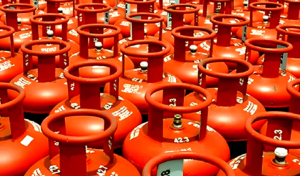
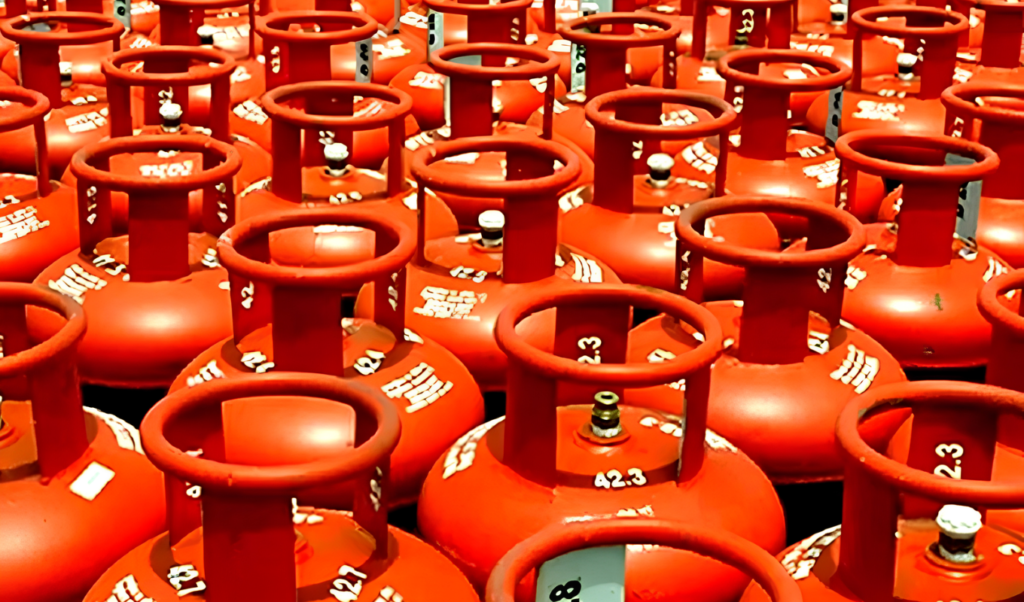
Submissions made to BERC reveal significant markup requests across the entire supply chain for a standard 12kg cylinder. The operator commission currently stands at 191 BDT per cylinder. However, Omera LPG has proposed raising its margin to 478 BDT, Petromax to 349 BDT, Delta to 360 BDT, and Meghna Group to 300 BDT. At the middle and retail tiers, distributors are requesting an increase from 50 BDT to 150 BDT per cylinder, while retailers are seeking an increase from 45 BDT to 70 BDT.
These demands arrive at a time when regulatory price caps are routinely ignored in the marketplace. Earlier in October, BERC adjusted the official price of a 12kg cylinder upwards by 252 BDT, setting it at 1,837 BDT. Despite this official baseline, retailers across the country continue to sell the product for between 2,300 BDT and 2,500 BDT, maintaining an artificial price surge that began in September.
Market volatility first surfaced in November last year under the interim administration led by Dr Muhammad Yunus, when traders began charging an extra 500 BDT to 700 BDT per cylinder under the pretext of supply shortages. In response, the government introduced several measures to ease market pressure, including tax reductions, increased import allowances, and simplified letter-of-credit (LC) procedures.
Despite operator claims of supply constraints, import figures indicate robust availability. National demand for LPG averages roughly 150,000 tonnes per month. Import volumes reached 156,000 tonnes in August and 157,000 tonnes in September, with October imports projected at similar levels, confirming that domestic supply actually exceeds demand.
Structural shifts within the sector have added further complexity to the market. Although 30 companies hold import licenses in Bangladesh, only six actively import gas, with 12 firms handling bottling operations at their respective plants. Prominent industry leaders Bashundhara and Beximco suspended operations following recent political changes, placing additional pressure on remaining supply chains. To force their demands, the LPG Operators Co-operative Association scheduled a strike for 15 and 16 October, though the action was called off following government warnings and the scheduling of BERC’s public hearing.
The push for higher margins reflects a long-standing ambition within the sector. When BERC introduced monthly price determinations in April 2021, the operator commission was set at 143 BDT per 12kg cylinder, before subsequently rising to 186 BDT and then 191 BDT. Importers repeatedly lobbied for higher profit margins throughout the fifteen-year tenure of the ousted Awami League administration without success. Following the political transformation brought about by the July uprising, private operators have aggressively renewed their campaign for margin revisions.