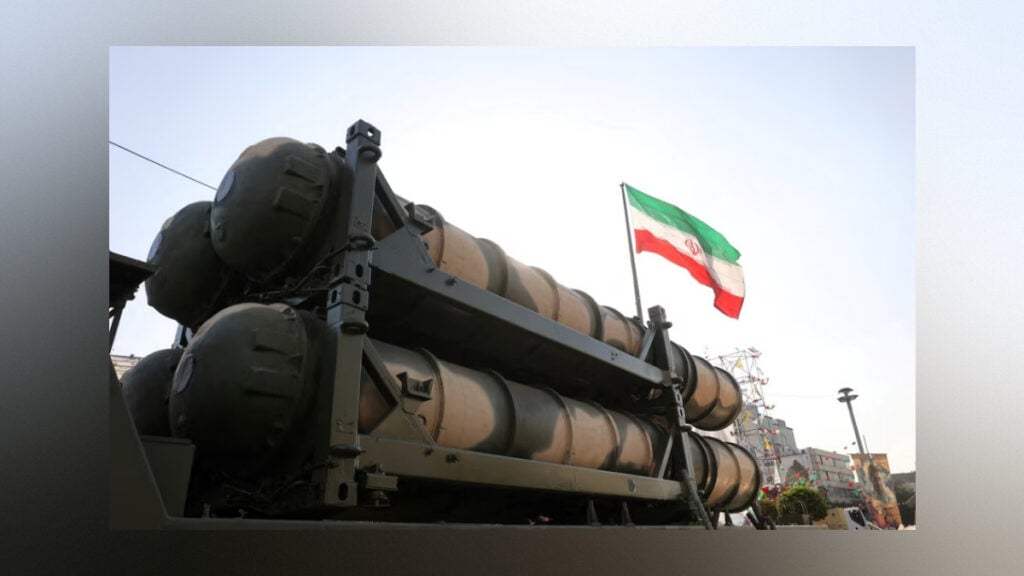
Leaked Russian defence industry documents have revealed the extent of Moscow’s military cooperation with Tehran, including plans to supply Iran with 90 launchers for advanced guided missiles. The documents, obtained through the Ukrainian private intelligence company Dallas Analytics and subsequently reviewed by British newspaper The Guardian, suggest that the proposed deal formed part of a wider effort to strengthen military ties between the two countries.
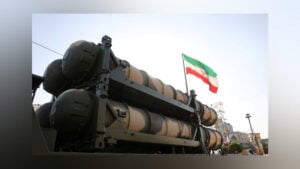
According to the leaked records, the launchers were intended for the LMUR, a powerful guided missile designed to be fired from helicopters. Russian forces have used the weapon extensively against Ukrainian targets since Moscow launched its full-scale invasion of Ukraine in February 2022.
A production schedule drawn up in May 2024 by Vympel, one of Russia’s leading missile and launcher design and manufacturing organisations, listed an order for 90 launchers under an export agreement identified as ‘K-10’. Separate internal documents reportedly identify Iran as the country behind that designation.
However, the records do not establish whether the launchers were eventually manufactured and delivered to Iran. The distinction is significant, as a production order or contractual arrangement does not necessarily confirm that the equipment reached its intended destination.
There is, however, a precedent for Russian military equipment reaching Tehran. A separate production list from 2023 reportedly corresponded with the publicly documented delivery of six Yak-130 jet trainer aircraft to Iran. The aircraft strengthened Iran’s access to Russian military aviation technology and provided further evidence of defence cooperation between the two countries.
Middle East Conflict Creates Strategic Opportunities for Moscow
The latest revelations come amid heightened tensions involving Iran and a wider conflict that has generated significant political and economic consequences beyond the Middle East.
Russia is widely considered to have benefited from several developments associated with the conflict. Disruptions to commercial shipping through the Strait of Hormuz, combined with repeated attacks on energy infrastructure across the Gulf region, have raised concerns about global oil supplies and contributed to higher energy prices.
For Moscow, higher oil prices can translate into increased export earnings and additional government revenue. Energy exports remain a crucial source of income for the Russian state, particularly as the Kremlin continues to finance its military campaign in Ukraine and manage the economic pressures arising from prolonged warfare and Western sanctions.
The conflict has also placed additional demands on Western military resources and diplomatic attention. With the United States and its allies having to respond to security challenges in several regions simultaneously, Ukraine faces greater competition for weapons and other military assistance.
One particular concern for Kyiv is the availability of interceptors for the US-made Patriot air defence system. These missiles are essential for countering incoming ballistic missiles and other aerial threats. Any diversion of available stocks towards other theatres could make it harder for Ukraine to maintain adequate protection against Russian attacks.
Trump’s Position Contrasts with European Intelligence Assessments
US President Donald Trump has repeatedly played down the extent of Russian assistance to Iran. Last month, he claimed that Moscow was providing Tehran with very little support, if any at all.
Observers believe Trump’s position may partly reflect his desire to keep diplomatic channels with Russian President Vladimir Putin open. Washington has been seeking a way to bring the war in Ukraine to an end, and maintaining the possibility of negotiations with Moscow remains an important consideration for the US administration.
European intelligence assessments, however, reportedly present a different picture.
According to European intelligence agencies, Russia has been helping Iran by providing important data and satellite imagery that could assist Tehran in identifying and targeting US military positions in the Middle East. European officials have also warned that Moscow is preparing to provide Iran with explosive-laden drones for potential use against American and Israeli targets.
These allegations suggest that Russian assistance may extend beyond conventional arms transfers to include intelligence-sharing and other forms of military cooperation. Such support could have direct implications for the security of US forces and their regional partners.
The contrast between Trump’s public statements and the assessments attributed to European intelligence agencies highlights the uncertainty surrounding the full extent of Moscow’s involvement in the conflict.
Military Cooperation Expanded After Russia Invaded Ukraine
The relationship between Moscow and Tehran has become considerably closer since Russia launched its full-scale invasion of Ukraine in 2022. Iran emerged as one of Russia’s principal suppliers of Shahed attack drones, which Russian forces subsequently used in repeated strikes against Ukrainian military positions, infrastructure and other targets.
Russia later began manufacturing its own versions of the drones domestically, reducing its reliance on direct imports while retaining the technology and design associated with the Iranian systems.
The drone partnership marked an important development in the military relationship between the two countries. It demonstrated how cooperation could evolve from the purchase and supply of weapons into broader arrangements involving technology, production and military expertise.
Moscow has consistently denied allegations that it has been supplying military equipment to Iran for use in the current conflict. Nevertheless, the leaked documents and intelligence assessments have raised fresh questions about the nature and scale of its involvement.
In 2025, Russia and Iran signed a strategic partnership treaty that established a framework for cooperation against shared threats and expanded their bilateral relationship. However, the agreement did not include the same kind of mutual defence obligation found in Russia’s security treaty with North Korea.
This distinction is important. Although the agreement provides for closer cooperation, it does not require either country to enter a war automatically if the other comes under attack.
Despite the absence of a full mutual defence commitment, diplomatic engagement between Moscow and Tehran has remained active. Senior Russian and Iranian officials reportedly attended three high-level meetings during October, underlining the growing importance both governments attach to their relationship.
Moscow Faces Diplomatic and Industrial Constraints
Russia’s military engagement with Iran is not without complications. Moscow has to balance its relationship with Tehran against its wider diplomatic calculations, particularly its efforts to avoid a deterioration in relations with Washington.
Maintaining a workable relationship with Trump is important for Putin, especially while discussions over a possible settlement to the Ukraine war remain a significant diplomatic consideration. Any substantial military assistance to Iran could complicate those efforts and increase tensions with the United States.
Russia also faces practical limitations in supplying weapons abroad. Its defence industry has been under considerable pressure since the invasion of Ukraine, as domestic demand for missiles, launchers, ammunition and other military equipment has increased sharply.
The Kremlin must prioritise the needs of its own armed forces while attempting to maintain existing export commitments. This has created pressure across several parts of the Russian defence manufacturing sector, making timely production and delivery increasingly difficult.
The leaked documents offer an insight into these internal challenges. In a letter dated May 2024, Vympel reportedly warned that delays in receiving essential components could disrupt the assembly of missile launchers. The company also raised concerns that such interruptions could place Russian state defence contracts at serious risk.
The warning suggests that even when Moscow is willing to enter into new export agreements, its ability to fulfil them may be restricted by shortages of components and competing domestic requirements.
The proposed supply of 90 missile launchers therefore raises questions beyond the military relationship between Russia and Iran. It highlights the possibility of a wider defence partnership at a time when both countries face growing international pressure and shifting regional security dynamics.
Although the leaked records do not confirm that the launchers were delivered, they provide a significant indication of the scale of military cooperation under consideration. Combined with the earlier drone partnership, the reported intelligence-sharing and the continued diplomatic engagement between the two governments, the revelations point to an increasingly important strategic relationship—one with potential consequences for the Middle East, Ukraine and the wider international security environment.