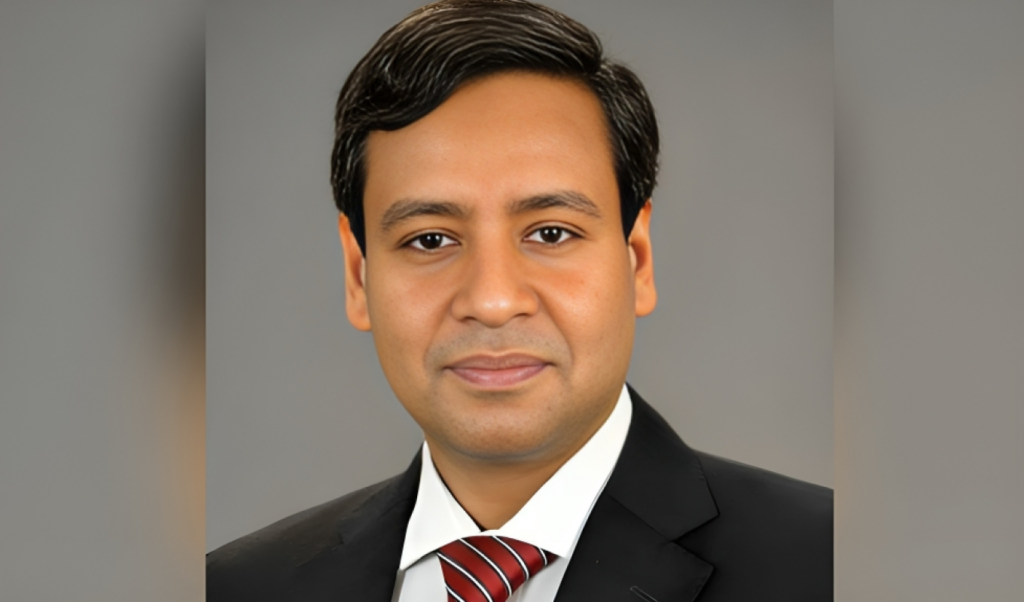
The author, Golam Maola Roni, reflects on his early childhood experiences during the final years of the Pakistani era in what is now Bangladesh, juxtaposing them with contemporary anxieties about politics, corruption, and social decay.
Childhood Memories and Early Fears
Roni recalls being around three or four years old, during a time of mounting tension prior to the Liberation War. Even young children could sense the unrest spreading through villages. He remembers:
- Listening to news on the radio, especially BBC reports, which captivated people of all ages.
- His grandmother, the eldest and most esteemed person in the village, often shared stories and observations. She came from a prominent family: her father was a well-known zamindar, and one of her uncles served as a police IG during the Pakistani era. Many relatives were influential in government, business, and local politics.
During one conversation, his grandmother suddenly remarked:“It takes only a moment to strip the heart when seeing wealth.”
Hearing this from afar, the young Roni shivered with fear. In the village, children were more terrified of the local barber than a Royal Bengal tiger, particularly when they heard about circumcision procedures. At that age, Roni did not understand exactly what the barber did, but the secrecy surrounding it created intense anxiety.
He sensed that perhaps his grandmother, annoyed by his habit of skipping the maktab and wandering into the nearby jungle, had decided to summon the barber to “take away” his valuable property.
Nostalgia and Anxiety in Later Life
Roni admits that he has revisited these childhood memories countless times, laughing at them in retrospect. Yet, in old age, nostalgia often coexists with renewed fear. Contemporary events — particularly large political rallies, marches by student groups, and public threats of sexual violence — revive the anxieties of his early years.
- Reading about homosexuality and sexual assault in literature, especially Khushwant Singh’s works, further intensifies his discomfort. Singh’s stark depictions evoke visceral reactions, highlighting humanity’s vulnerability and depravity.
- Current threats in Bangladesh, including political violence, robbery, extortion, and terrorism, have made him cautious about venturing out at night or carrying valuables during the day.
- Recent events involving Nila Israfel, Neela Market’s poultry scandals, and a Westin Hotel incident also trigger his reflections on childhood fears, linking them metaphorically to the chaos and moral decay he observes today.
Observations on Power, Corruption, and Society
Roni draws broader societal connections from his childhood memories:
| Theme | Reflection |
| Greed and Corruption | Just as his grandmother described wealth as overpowering, contemporary society shows similar voracious behaviour — money drives people to destructive acts. |
| Political Violence | Youths and political actors now emulate past patterns of intimidation and coercion, akin to childhood fears of uncontrollable forces. |
| Moral Decay | Corrupt officials, criminals, and opportunistic elites exploit society, often disregarding ethical or communal norms. |
| Blue-Blood Theory | Roni contrasts “blue blood” politics, based on virtuous lineage, with the exploitation by unprincipled rulers who enrich themselves at the expense of the poor. |
| Natural Retribution | He observes that those who accumulate power through deceit and violence eventually face consequences, as if nature itself intervenes. |
Metaphorical Reflections
Roni vividly links his grandmother’s tales about clay dolls and bundles of money to the destructive behaviour of modern elites:
- The dolls, initially innocent, symbolically transform into Hitler, Mussolini, Genghis Khan, and Timur, wreaking havoc across countless villages.
- These metaphors illustrate how greed and corruption escalate into social chaos, much of which remains hidden from public view.
He stresses that historical, cultural, and political awareness is essential to understanding the present:“When fear or oppression dominates, human emotions and thoughts invert. People forget the present, lose foresight, and often dwell excessively on past memories. I see events in Bangladesh today that defy comprehension — some previously unimaginable, others unprecedented.”
Concluding Thoughts
Golam Maola Roni’s essay blends personal childhood memories with reflections on societal decay, political corruption, and the human psyche under fear. Through vivid storytelling, he illustrates how early experiences of fear, secrecy, and morality shape perceptions of modern chaos.
His narrative serves as both a nostalgic memoir and a cautionary reflection on contemporary society, urging readers to consider the enduring consequences of greed, power abuse, and moral corruption.
Author: Golam Maola Roni