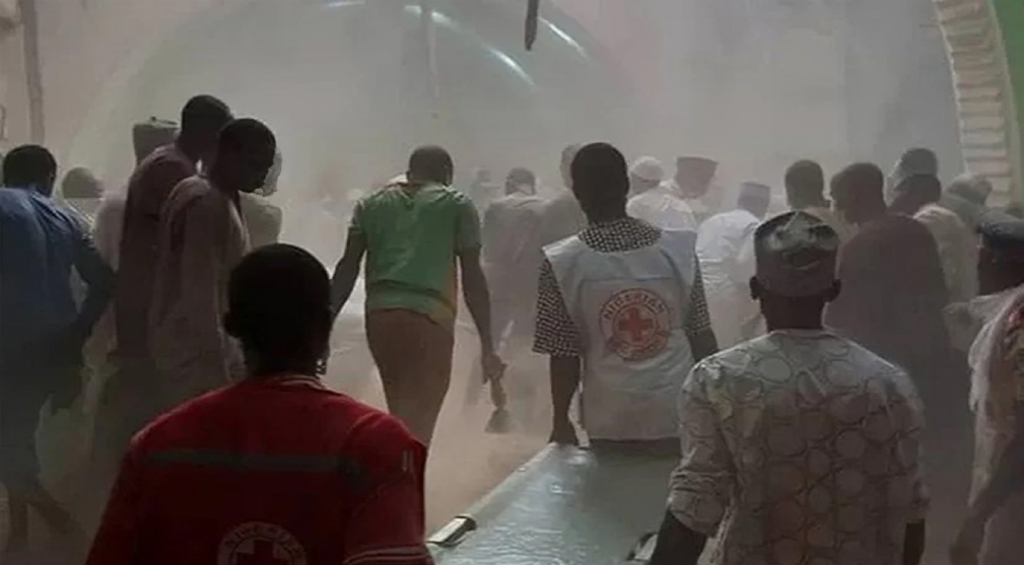
At least 30 people have been killed in an attack on a mosque in northwestern Nigeria earlier this week, according to local sources and a lawmaker, up from an initial toll of 13.
The attack occurred at the Unguwar Mantau mosque in Malumfashi local government area, Katsina State, on Tuesday, during early morning prayers. Locally, the assailants are referred to as “bandits”, members of organised criminal gangs.
“Nine worshippers were killed on the spot and many others died throughout the day. The latest toll stands at 32,” said resident Nura Musa on Wednesday.
Local politician Aminu Ibrahim told the Katsina House of Assembly that the attackers had killed 30 people in the assault.
Bandits have long targeted rural communities in northwest and central Nigeria, raiding villages, kidnapping residents for ransom, and burning homes after looting them.
Despite a series of peace agreements in Katsina State intended to reduce violence, Malumfashi was not part of the local governments that had negotiated truces, leaving the area vulnerable.
| Aspect | Details |
| Location | Unguwar Mantau, Malumfashi, Katsina State |
| Date of Attack | Tuesday (earlier this week) |
| Initial Reported Deaths | 13 |
| Updated Death Toll | 30–32 |
| Perpetrators | Local criminal gangs (“bandits”) |
| Target | Mosque during early morning prayers |
| Other Consequences | Attacks on nearby towns, several kidnappings |
Resident Nura Musa suggested the attack may have been retaliation by bandits: “The attack followed an ambush on a bandit gang by local self-defence vigilantes over the weekend. The vigilantes patrol the village from dusk to dawn and had attended the mosque at dawn for morning prayers before the bandits launched a surprise attack.”
The bandits opened fire on worshippers and fled, also targeting surrounding towns and abducting several people.
Nigeria’s banditry crisis began as disputes over land and water rights between herders and farmers but has since evolved into organised crime, encompassing cattle theft, kidnappings, and levying informal taxes on farmers.
Even where local communities negotiate peace deals with bandits, truces are often short-lived. Gunmen may retain the majority of their weapons and exploit agreements to create safe havens, continuing attacks in other areas.
Security in some regions has improved—Birnin Gwari in Kaduna State saw better conditions after a November truce—but neighbouring Katsina and Niger states have experienced a rise in bandit attacks.
“The situation has become unbearable. Our people can no longer live in their villages because of these relentless attacks,” said Aminu Ibrahim, the local lawmaker.
This attack highlights the persistent security challenges in northwest Nigeria, where communities remain vulnerable despite attempts at negotiated truces.