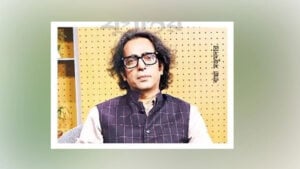
Some individuals become greater than the roles they portray or the positions they hold. Their voices, performances, personalities and contributions leave an enduring impression on society. Asaduzzaman Noor, the celebrated Bangladeshi actor, cultural figure and politician, is one such personality.
From stage performances and television dramas to recitation, cultural activism and national politics, his career has spanned several decades and encompassed a remarkable range of achievements. On 31 October, he celebrated another birthday, marking yet another milestone in a life closely connected with Bangladesh’s cultural and political history. On this special occasion, heartfelt congratulations and warm wishes go to the distinguished artist.
Early Life and Background
Asaduzzaman Noor was born on 31 October 1946 in Nilphamari, Bangladesh. His interest in literature, culture and creative expression developed from an early age, eventually leading him towards the world of theatre. Through dedication, hard work and exceptional acting ability, he gradually established himself as one of the country’s most recognisable cultural personalities.
Unlike many public figures who prefer elaborate birthday celebrations, Noor is known for favouring a relatively simple approach to marking the occasion. For him, the affection of audiences and his longstanding association with artistic and cultural activities have remained important sources of fulfilment.
A Distinguished Contribution to Theatre
Noor’s acting career began on the stage. In the years following Bangladesh’s independence, he became associated with Nagarik Natya Sampradaya, one of the country’s influential theatre organisations. His involvement with the group marked the beginning of a long and significant journey in Bangladeshi theatre.
One of the most memorable performances of his career came in the play Nuruldiner Sarajibon. His portrayal of Nurulddin, a historical figure associated with resistance against colonial exploitation, became a landmark in his theatrical career. His commanding delivery, emotional depth and ability to communicate the character’s determination made the production particularly memorable for audiences.
Noor also established himself as a theatre director. His production of Dewan Gazir Kissa has remained part of the country’s theatrical repertoire for around four decades. His performance in Galileo also received considerable appreciation from audiences and theatre enthusiasts.
His contribution to the stage extends beyond individual performances. Through his sustained involvement in theatre, he helped strengthen an artistic tradition that has played an important role in Bangladesh’s cultural development.
‘Baker Bhai’: The Character That Captured a Nation
Although Noor had already earned considerable recognition through theatre, it was television that brought him into the homes of millions of Bangladeshis.
His portrayal of Baker Bhai in the immensely popular television serial Kothao Keu Nei, written by celebrated author and playwright Humayun Ahmed, remains one of the most iconic performances in the history of Bangladeshi television.
Broadcast during the 1990s, the serial generated extraordinary public interest. Baker Bhai was not merely a fictional character; he became an emotional symbol for viewers, who developed a strong attachment to his personality and fate. The public reaction to the character’s eventual outcome was particularly remarkable, with audiences expressing their emotions and protesting against the development in the storyline.
The phenomenon demonstrated the extraordinary influence television drama could have on public sentiment. Noor’s restrained expressions, distinctive voice, confident screen presence and ability to understand the emotional complexity of a character were central to the success of the role.
Beyond acting, he also presented the popular television programme Ke Hote Chay Kotipoti on Desh Television. The programme introduced audiences to another dimension of his abilities and demonstrated his versatility as a television personality.
Cultural Activism and the Spirit of the Liberation War
An important aspect of Noor’s public life has been his association with cultural movements centred on the values of Bangladesh’s Liberation War, secularism and progressive thinking.
He played a significant role in the establishment of the Liberation War Museum, an institution dedicated to preserving the history of the 1971 Liberation War and making its significance accessible to future generations. He also served as a trustee of the museum.
Alongside this involvement, Noor maintained connections with various cultural organisations. He served as president of the Abritti Samanway Parishad and was associated with the Sammilita Sanskritik Jote, contributing to initiatives that sought to strengthen cultural awareness and artistic expression.
For Noor, art and culture have never been limited to entertainment. He has regarded them as important instruments for developing intellectual awareness, promoting human values and encouraging a society founded on tolerance and communal harmony.
His involvement in cultural activism reflects a longstanding belief that literature, theatre, music and other creative disciplines can play a meaningful role in shaping national identity.
Political Career and Parliamentary Contributions
Noor’s public life has not been confined to the cultural sphere. He has also maintained a long and prominent involvement in politics.
During the early stages of his political journey, he was associated with left-wing politics. Ideals centred on social equality, opposition to exploitation and the struggle against poverty and deprivation influenced his political outlook.
In 1998, he joined the Bangladesh Awami League. He subsequently contested parliamentary elections from the Nilphamari-2 constituency, representing the Nilphamari Sadar area. He was elected to parliament and went on to serve four consecutive terms as a member of parliament.
Following the 2014 general election, he was appointed Minister for Cultural Affairs in the government of Bangladesh. His ministerial responsibilities provided an opportunity to work on issues concerning the development of the country’s cultural sector and the preservation of its artistic heritage.
His transition from the cultural world to national politics made him a distinctive figure in public life, combining a career in the performing arts with years of parliamentary and ministerial experience.
Family and Personal Life
Away from the public spotlight, Noor has maintained a relatively private and family-oriented personal life.
He married physician Shaheen Akhtar in 1982. The couple have two children, a son named Sudipta and a daughter named Suprabha.
Despite his long career in entertainment and politics, he has generally maintained a modest public image, with his professional commitments and family life forming important parts of his personal journey.
Awards and Recognition
Noor’s contribution to acting, theatre, cultural activities and national life has earned him several awards and honours over the years.
Among the recognitions he has received are the Bangladesh Chalachchitra Sangbadik Samity (BACHSAS) Award and the Independence Award, one of Bangladesh’s highest civilian honours. These awards reflect the breadth of his contribution to the country’s artistic and public spheres.
Yet the affection of audiences remains one of the most enduring aspects of his legacy. From Baker Bhai to Nurulddin, the characters he has brought to life have become memorable parts of Bangladesh’s television and theatrical history.
His performances have also demonstrated how an actor’s voice, expressions and interpretation can transform a written character into something that audiences continue to remember long after a production has ended.
An Enduring Legacy in Bangladesh’s Cultural History
The passage of time brings many talented performers into the public eye, while others gradually disappear from collective memory. A select few, however, leave behind a lasting legacy through their creativity, dedication and contribution to society. Asaduzzaman Noor belongs to this distinguished group.
He is more than a popular television actor. He represents an important chapter in Bangladesh’s theatre movement, remains one of the most recognisable faces in the country’s television drama history and has played an active role in cultural organisations and national politics.
His performance as Baker Bhai continues to evoke nostalgia among television audiences, while his portrayal of Nurulddin remains significant for theatre lovers. His distinctive voice, measured delivery and commitment to his craft have helped establish a professional identity that extends beyond individual productions.
His journey also reflects the close relationship between art, culture and public life in Bangladesh. Through theatre, television, cultural activism and politics, he has remained connected with several important chapters of the country’s development.
Asaduzzaman Noor’s birthday is therefore an occasion to celebrate not only an accomplished actor but also a personality whose career has been closely intertwined with the nation’s cultural landscape.
On his birthday, he deserves heartfelt congratulations, deep respect and sincere good wishes. May the coming days bring him good health, peace and happiness. May the memories of his performances and his dedication to art and culture continue to inspire future generations.
Happy Birthday, Asaduzzaman Noor. May your artistic legacy continue to shine across generations.