“One day, I will leave this silver guitar behind and go far, far away…”
Few lines in Bengali music carry the emotional weight of these words. Sung by Ayub Bachchu, one of Bangladesh’s most celebrated musicians, they have acquired a poignant significance since his death. The man who sang about leaving his beloved silver guitar behind eventually departed from this world, leaving generations of listeners with a remarkable collection of songs, unforgettable melodies and memories that continue to resonate.
Ayub Bachchu was far more than a popular singer. He was an accomplished guitarist, composer, lyricist and one of the most influential figures in the development of Bangladeshi band music. Through his distinctive voice, expressive guitar playing and ability to blend powerful rock arrangements with emotionally rich melodies, he helped establish Bengali rock as a major force in the country’s musical landscape.
Born in Chattogram on 16 August 1962, Bachchu developed a deep interest in music from an early age. His fascination with the guitar gradually became the defining passion of his life. Through years of practice, experimentation and performance, he cultivated a musical identity that distinguished him from his contemporaries. His playing combined technical skill with emotional intensity, allowing him to communicate feelings that words alone could scarcely express.
His musical journey began during his youth, and his association with established bands, including Feelings and Souls, played an important role in his development. These formative experiences helped him grow as a guitarist and vocalist while introducing him to the creative possibilities of band music.
In 1991, he established his own band, LRB, originally known as Love Runs Blind. The formation of LRB marked a significant turning point in his career and became one of the defining moments in the history of Bangladeshi rock music.
Under Bachchu’s leadership, LRB developed a distinctive sound that combined memorable melodies, powerful guitar arrangements and lyrics rooted in everyday human emotions. The band attracted a loyal following, while Bachchu’s performances established him as one of the country’s most recognisable musical personalities.
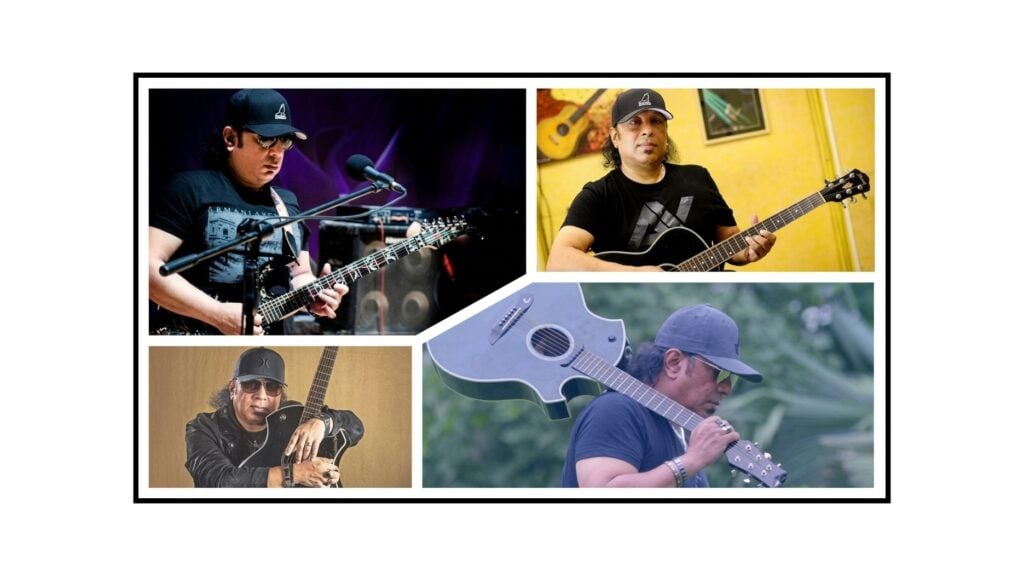
His stage presence was as distinctive as his recordings. With a guitar in his hands, he could move effortlessly between delicate melodic passages and electrifying solos. His performances conveyed an intensity that captivated audiences, whether he was delivering a powerful rock number or a deeply emotional ballad. The guitar was not merely an instrument in his hands; it was an extension of his artistic personality.
Among his most enduring songs are Cholo Bodle Jai, Shei Tumi, Rupali Guitar, Hashte Dekho, Gaite Dekho, Ghum Bhanga Shohore and Madhobi. These songs continue to hold a special place in the hearts of Bengali music lovers, reflecting the breadth of his musical imagination and his ability to connect with listeners across generations.
Each song reveals a different dimension of his artistry. Shei Tumi remains particularly memorable for its emotional portrayal of love, separation and lingering memories. Cholo Bodle Jai expresses a desire for change and renewal, while Rupali Guitar has become closely associated with Bachchu himself. Its imagery captures the relationship between the musician and the instrument that helped define his career.
His music frequently explored love, heartbreak, loneliness, nostalgia and the uncertainties of life. These themes were universal, yet his treatment of them carried a distinctly Bengali sensibility. Listeners could recognise their own experiences in his lyrics and melodies, making his songs companions through different stages of life.
Bachchu’s contribution to Bangladeshi music extended well beyond his own recordings. At a time when band music was gaining wider recognition, he helped demonstrate that Bengali-language rock could achieve both artistic distinction and popular appeal. His success encouraged young musicians to explore electric guitars, experiment with arrangements and develop their own musical identities.
For many aspiring guitarists, he became a source of inspiration. His playing demonstrated that the instrument could express tenderness and melancholy as effectively as energy and aggression. His ability to combine technical proficiency with emotional depth gave his performances a distinctive character and helped shape the aspirations of a generation of musicians.
His influence was also evident in the growing popularity of Bangladeshi band music beyond the country’s borders. Through his recordings and live performances, he contributed to the wider recognition of the country’s musical talent. As a solo performer, he enjoyed considerable popularity as well, demonstrating his versatility and ability to appeal to audiences beyond the established following of LRB.
Over a career spanning more than four decades, Bachchu remained committed to musical exploration. He was not simply a singer who performed familiar melodies; he was a creative musician who continually sought ways to express emotions through different sounds and arrangements. His work helped enrich the development of Bengali rock and established a legacy that continues to influence musicians today.
Yet his remarkable journey came to an unexpectedly early end.
On 16 October 2018, Bachchu performed at a concert at Rangpur Zilla School ground. The performance is remembered as his final concert appearance. He took to the stage with the voice and guitar that had made him a household name, entertaining an audience that could hardly have imagined the significance the evening would later acquire.
Just two days later, on 18 October 2018, Bachchu died in Dhaka following a cardiac arrest. He was 56.
The news of his sudden death sent shockwaves through Bangladesh’s music industry. Fellow musicians, admirers and cultural figures mourned the loss of an artist whose work had become deeply embedded in the nation’s popular culture. For many fans, the news was difficult to comprehend. A familiar voice that had accompanied their joys, disappointments and private memories had fallen silent.
His death represented more than the loss of a celebrated performer. It marked the departure of a musician who had helped shape an important chapter in Bangladesh’s cultural history. Through his distinctive approach to guitar playing and songwriting, he had given Bengali rock a recognisable identity and inspired countless young people to pursue music.
The emotional connection between Bachchu and his audience was built over many years. His songs were played at gatherings, shared among friends and revisited during moments of solitude. They became associated with first love, lost relationships, youthful ambitions and the passage of time. Consequently, his death felt deeply personal to listeners who had grown up with his music.
But does an artist truly disappear when life comes to an end?
Bachchu’s music offers a compelling answer. His physical presence may be gone, but his creative legacy remains alive in the songs that continue to reach new listeners. Whenever the opening notes of Shei Tumi stir an old memory, whenever someone hums Cholo Bodle Jai, or whenever Rupali Guitar evokes a sense of longing, the musician’s presence feels remarkably close.
The enduring appeal of his work lies in its emotional honesty. Love, separation, regret and hope are experiences that transcend generations. His songs continue to speak to young listeners who never witnessed his live performances, while those who remember his concerts can return to his recordings and revisit cherished moments.
His silver guitar has consequently become more than a symbol of his musicianship. It represents his dedication, creative spirit and lifelong relationship with music. The image of the instrument evokes both the sadness of his departure and the extraordinary body of work he left behind.
The words he once sang about travelling far away now carry a deeper meaning. He did leave, beyond the reach of those who admired him. Yet his music has not fallen silent. It continues to inspire aspiring musicians, bring comfort to listeners and preserve the emotions that made his work so memorable.
Ayub Bachchu’s place in the history of Bangladeshi music remains secure. As a vocalist, guitarist, composer and songwriter, he helped shape the sound of Bengali rock and broaden its appeal. His career demonstrated how dedication, originality and a genuine connection with an audience could create a legacy extending far beyond an artist’s lifetime.
His influence will continue to be felt wherever Bengali rock is performed, wherever a young musician picks up a guitar in pursuit of a dream, and wherever a listener turns to one of his songs for comfort or inspiration.
Today, we remember Ayub Bachchu with profound respect, affection and gratitude. His life was devoted to music, and his work continues to enrich the cultural memories of Bangladesh.
A heartfelt tribute to Ayub Bachchu, the beloved maestro of Bengali rock.
You may have travelled far, far away, but your songs will never leave our hearts. The melodies of your silver guitar will continue to echo through the memories of your listeners, the aspirations of young musicians and the musical heritage of Bangladesh.
Your voice may have fallen silent, but your music lives on. And through every note, every lyric and every unforgettable melody, Ayub Bachchu will remain an enduring presence in the hearts of generations to come.