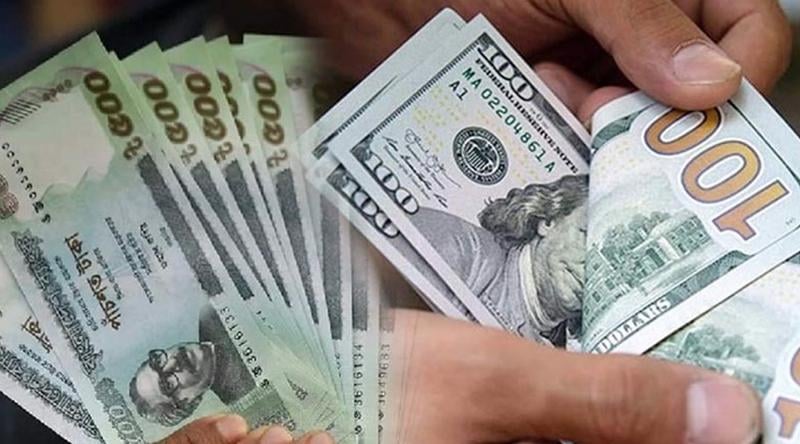
Bangladesh Bank has published the official foreign exchange valuation rates for major global currencies against the Bangladeshi Taka (BDT). The updated figures provide critical guidance for commercial banks, international trading houses, and individuals navigating cross-border remittances or travel expenses.
According to the latest central bank data updated on 13 October, the buying and selling rates across key reserve currencies continue to reflect broader macroeconomic shifts within South Asia’s financial sector.
The US Dollar, which remains the primary currency for international settlement in Bangladesh, stands at a buying rate of 123.50 BDT and a selling rate of 123.30 BDT. The narrow spread between the buying and selling prices points to tight regulatory oversight by the central bank to maintain stability across commercial banking corridors.
European and Western currencies continue to trade at significant premiums over domestic currency:
-
British Pound (GBP): Quotes stand at 163.07 BDT for purchasing and 163.24 BDT for selling, marking one of the highest valuations among standard circulating currencies.
-
Euro (EUR): Ranks as the second-most valuable European tender in local exchanges, registering a buying rate of 138.05 BDT alongside a selling price of 138.12 BDT.
-
Australian Dollar (AUD): Holds steady at 86.05 BDT buying and 86.16 BDT selling.
Regional trade and Asian economic partner currencies reflect the following exchange metrics:
-
Singapore Dollar (SGD): Recorded at 96.21 BDT buying and 96.30 BDT selling, reflecting steady trade flows with South East Asian financial hubs.
-
Chinese Yuan (CNY): Stands at 18.41 BDT buying and 18.42 BDT selling, reflecting ongoing import transactions from major East Asian supply chains.
-
Indian Rupee (INR): Parity remains positioned at 1.27 BDT for both buying and selling transactions.
-
Japanese Yen (JPY): Evaluated at 0.78 BDT for both buying and selling rates per Yen.
Foreign currency liquidity remains a pivotal focus for Bangladesh Bank as policymakers manage import cover ratios, export receipts, and incoming worker remittances. Official central bank rates act as an anchor for authorized dealers across the national financial architecture, ensuring transparency across commercial bank counters and kerb market exchanges. Financial institutions across the country are expected to align their customer-facing conversion brackets with these baseline metrics.