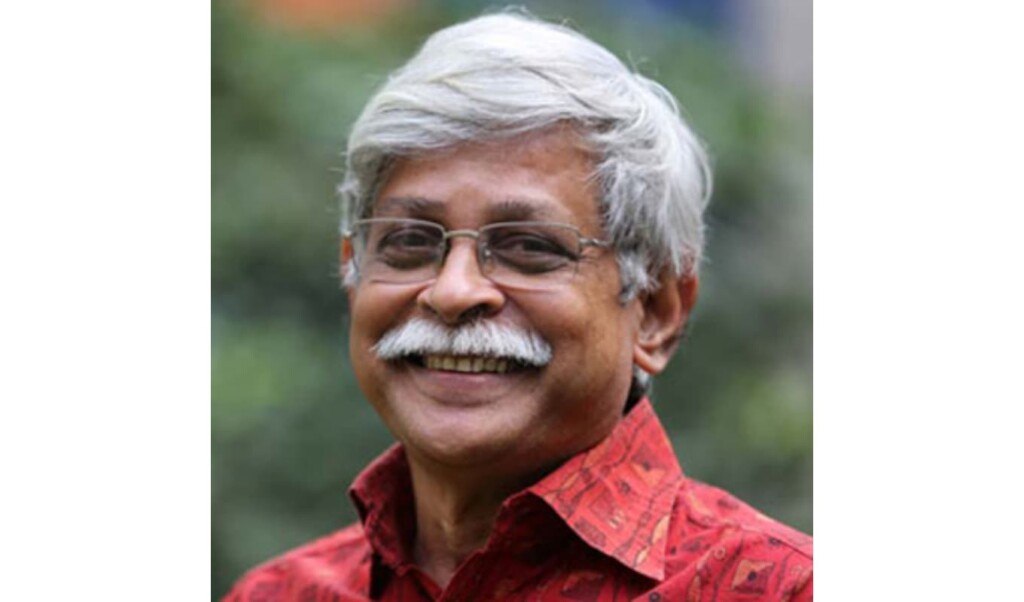
Renowned Bangladeshi author and academic Professor Muhammed Zafar Iqbal has expressed firm confidence that Bangladesh will ultimately return to the spirit of its 1971 Liberation War, asserting that those attempting to erase the history of the independence struggle have now been identified and must face justice.
Addressing a gathering in New Jersey, United States, the prominent physicist and writer reflected on the political shifts in Bangladesh following the student-led mass uprising of July and August 2024. Currently staying in the United States, Professor Iqbal described his two-year stay abroad as a period of exile, yet remained optimistic about the nation’s trajectory.
The event was organised by the ‘Ekattorer Prohori Foundation’ to formally present Professor Iqbal with the Nabi-Zinat Literary Award, which was originally announced during the Bangabandhu International Book Fair in New York in May. Hosted in the courtyard of freedom fighter Nurun Nabi’s residence, the assembly drew writers, intellectuals, and cultural activists from across North America.
Reflecting on the actions of the interim government that assumed power following the recent political transition, Professor Iqbal addressed attempts to reshape the national narrative. “They wanted to press a reset button,” he remarked, referring to political efforts to alter the nation’s historical identity. “As a physics teacher, I understand cause and effect, action and reaction. History cannot be erased so easily.”
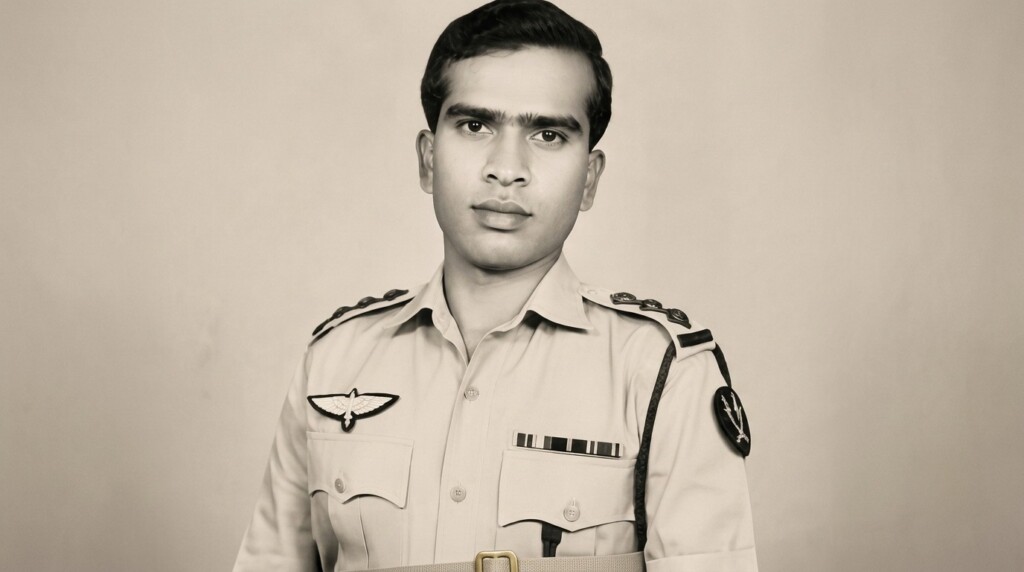
Recalling the memory of his father, who was martyred during the 1971 conflict, Professor Iqbal emphasised that the country could never belong to the defeated forces of the Liberation War. Addressing the younger generation, particularly Bangladeshi students living abroad, he urged them not merely to aim for professional success, but to strive to become influential leaders and entrepreneurs. He encouraged them to acquire substantial resources so they could establish modern science-focused educational institutions and learning centres in Bangladesh.
His wife, Professor Yasmeen Huq, strongly criticised Dr Muhammad Yunus, the Chief Adviser of Bangladesh’s interim government. She alleged that Dr Yunus had inflicted significant harm on the nation, claiming that few had anticipated the political stances he would adopt. Professor Huq stated that although they currently find themselves effectively stateless, they yearn to return soon to a Bangladesh where the spirit of 1971 and the legacy of Bangabandhu Sheikh Mujibur Rahman remain upheld. She cautioned that an organised group was systematically attempting to obliterate the history of the freedom struggle.
The commemorative event commenced with a tribute to the celebrated Bangladeshi novelist Humayun Ahmed, marking the anniversary of his passing. The gathering was presided over by Nurun Nabi and moderated by Fakir Elias, with speeches delivered by prominent diaspora figures including Zakaria Chowdhury, Belal Beg, and Sezan Mahmud.