Published: 20 Nov 2025, 01:36 pm

Begum Sufia Kamal holds an indispensable place in Bengali literature, the Liberation War, the women's movement, and the history of humanity. She was not just a poet and writer, but a beacon of light for Bengali women, teaching them confidence, dignity, and hope. Her life embodies the struggles of an era, where her poetic softness met with the resolute leadership of a fighter. Her legacy continues to inspire countless hearts to this day.
Born on June 20, 1911, in the esteemed family of Shaistabad, Barisal, Sufia Kamal came into a society where the education of Bengali Muslim women was a distant dream. However, against all odds, she rose to become a self-educated, strong-willed, and visionary woman. At the age of 13, she married her cousin, Syed Nehal Hussain, but it was through his encouragement and support that she pursued literature passionately.
Her first poem, "Basanti," published in 1926 in the Saugat magazine, marked the beginning of a new voice in Bengali literature. Later, as the founder and editor of the Begum magazine, she brought women’s rights, education, social consciousness, and literature into the limelight.
After the partition in 1947, Begum Sufia Kamal moved from Kolkata to Dhaka, where she became an active participant in the Language Movement, encouraging women to take to the streets. In post-independence Bangladesh, she led the charge for women’s rights, equality, and secular values, becoming a trailblazer in these areas.
Her literary works reflect the essence of her life. Some of her notable writings include:
Sajher Maya (The Evening's Illusion)
Maya Kajol (The Illusion of Kajol)
Mon O Jibon (Mind and Life)
Shanti O Prarthana (Peace and Prayer)
Short Story Collection: Ker Kanta (Thorns of Care)
Travelogue: Soviet Days
Memoir: Ekattorer Diary (Diary of 1971) – A priceless account of the war.
Begum Sufia Kamal’s contributions to Bengali literature, culture, and the women's movement were recognized with numerous awards, including:
The Ekushey Padak
The Bangla Academy Literary Award
The Begum Rokeya Padak
The National Poetry Award
The Independence Day Award
These awards were not mere recognitions of her fame, but of the greatness of her work and ideals.
Begum Sufia Kamal passed away on November 20, 1999, but her contributions remain eternal. She continues to be a symbol of light in the struggle for the rights of women and humanity, and her legacy continues to guide countless hearts.
Having overcome countless obstacles, inspiring Bengali women to dream, weaving the melody of humanity through literature, and becoming a guiding light in the national struggle, Begum Sufia Kamal remains forever alive in our memories, our respect, and our consciousness.

> Axis of Resistance Vows Vengeance for Khamenei
> Iranian Attack Hits Oil Tanker, Four Injured
> Iran Strikes Israel, Eight Killed in Beit Shemesh
> Visa Staff to Receive MetLife Insurance Coverage
> Nazrul Islam Manju Assumes Khulna City Administrator Role
> Banner Vanishes From Kapasia Awami League Office
> Experian Launches AI Insurance Marketplace Within ChatGPT
> Visa Staff to Receive MetLife Insurance Coverage
> Case Filed Against Actor Jaher Alvi
> Acclaimed Singer Eva Rahman Debuts Poetry at Book Fair
> Iran Faces Widespread Internet Blackout
> Biman Resumes Madinah and Jeddah Flights Today

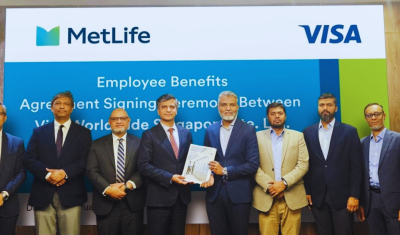
Dhaka, Bangladesh: Visa has signed a strategic partnership with MetLife Bangladesh to provide compre...
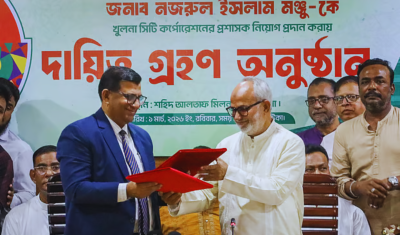
Khulna, Bangladesh: Nazrul Islam Manju has officially assumed the role of Administrator of the Khuln...
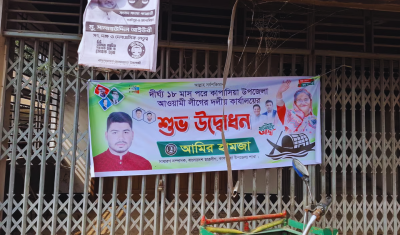
In Kapasia, Gazipur, a banner marking the “grand inauguration” of the local Awami League office myst...

A legal case has been filed against television actor Jaher Alvi and his mother, Nasrin Sultana Shiul...
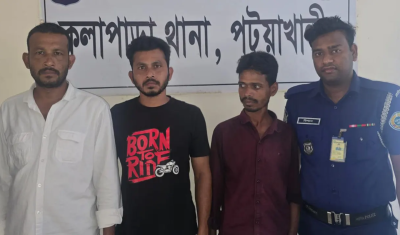
Police in Kalapara, Patuakhali, have arrested three individuals, including a local volunteer group l...

Dhaka, 1 March: National Insurance Day, once marked by elaborate state-sponsored ceremonies and nati...

Following the recent escalation of cross-border attacks between Iran and Israel, which led to the su...

Bangladesh national cricketer Mushfiqur Rahim, who had travelled to Saudi Arabia to perform the Umra...
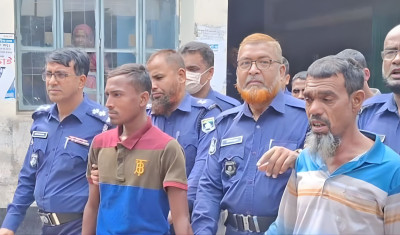
In a harrowing development in Narsingdi, the court has granted an eight-day remand for seven individ...

In a dramatic turn of events in Natore, a local youth leader has been arrested for attempting to ext...
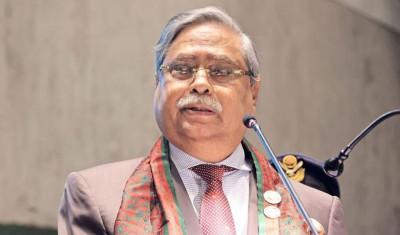
In a significant development, President Mohammad Sahabuddin has urged the Public Service Commission...

A judicial tribunal in Sunamganj has delivered a landmark verdict, sentencing a young man to life im...


Availabe for iphone & ipads

Available in google play
 বাংলা
বাংলা