Based on the original commentary by Naem Nizam
Tofail Ahmed, the legendary hero of the 1969 Mass Upsurge, and Sirajul Alam Khan (affectionately known as Dada Bhai), one of the most enigmatic and influential figures in Bangladesh’s history, stood on opposing ends of the political spectrum after independence. Yet, their personal bond remained unbreakable. Rooted in the turbulent student movements of the 1960s, their lifelong friendship stands today as a rare and profound example of mutual respect coexisting with political divergence.
The Genesis and the Genesis of ‘Bangabandhu’
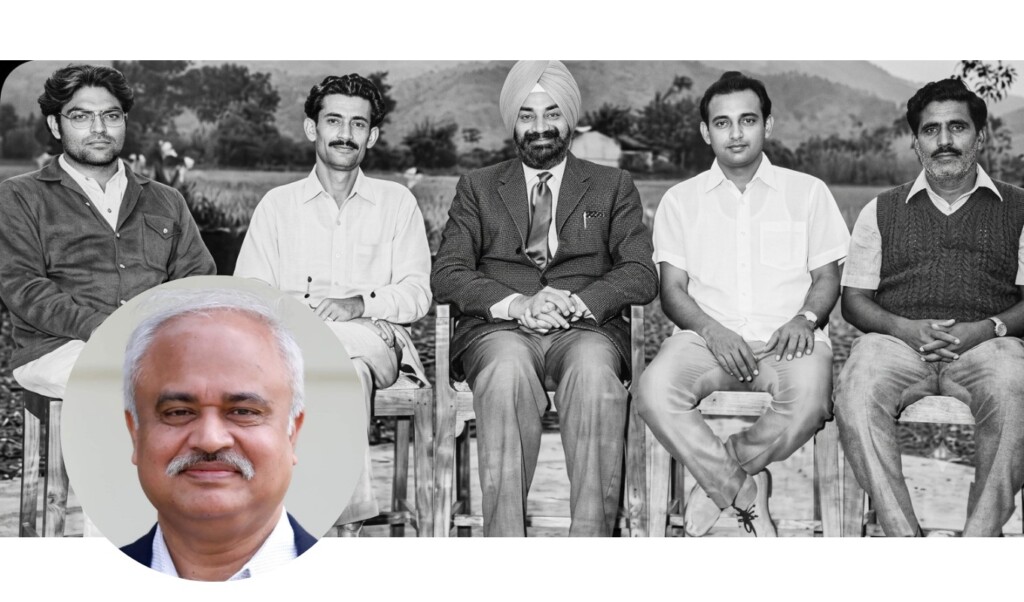
In the 1960s, the Bangladesh Chhatra League was divided into two distinct ideological factions: one led by Sheikh Fazlul Haque Moni, and the other by Sirajul Alam Khan. Tofail Ahmed was deeply embedded in Khan’s circle. Sirajul Alam Khan played a quiet yet monumental role in mentoring the young Tofail, orchestrating his political rise, and bridging his path to the Father of the Nation, Bangabandhu Sheikh Mujibur Rahman.
The most historic manifestation of this bond occurred on February 23, 1969. A sea of millions had gathered at the Racecourse Maidan to reception the newly released Sheikh Mujibur Rahman. As Tofail Ahmed, the then-VP of DUCSU, was about to step up to the podium, Sirajul Alam Khan slipped a small piece of paper into his hand.
The note read: “Dear Leader, you have spent the best years of your life in prison for the people of Bengal. You have fought for human rights. You are the friend of the Bengali nation, the friend of Bengal—Bangabandhu.”
Guided by that very note, Tofail Ahmed officially conferred the title ‘Bangabandhu’ upon the leader of the masses. Instantly, millions of voices erupted in unison, roaring the historic slogan: “Tomar Amar Thikana, Padma-Meghna-Jamuna.”
An Unannounced Evening and Shared Memories
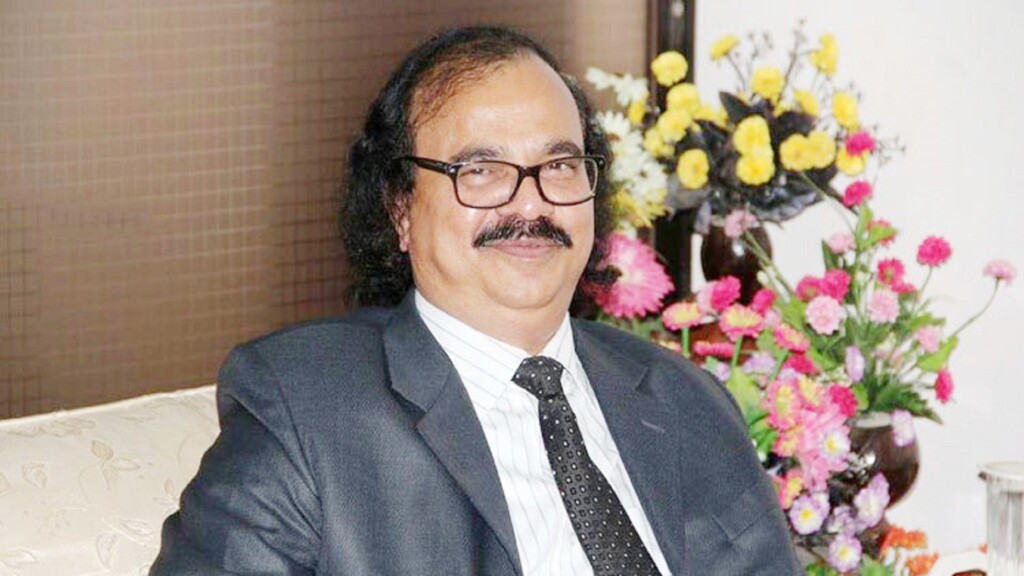
The depth of their lifelong camaraderie was vividly captured on an evening in 2017. Naem Nizam paid an unannounced visit to the residence of Tofail Ahmed, who was serving as the Commerce Minister at the time. Upon arrival, Nizam witnessed a car pulling out of the driveway, with the Minister himself standing outside to see his guest off.
The passenger in that car was none other than Sirajul Alam Khan. Frail and ailing, he had come to visit his longtime protege one last time before flying abroad for medical treatment.
An emotional Tofail Ahmed reminisced that evening:
-
“My relationship with Siraj Bhai spans decades. From my closeness with Bangabandhu to my days in DUCSU and Chhatra League—Siraj Bhai had a hand in everything. I always try to stand by him, especially when he needs medical care.”
-
Ahmed also noted that when he openly acknowledged these historical truths on Channel i’s talk show ‘Tritiyo Matra’, it drew displeasure from various factions within his own party. Yet, he smiled and remarked, “But history must be told.”
The Contemporary Landscape and Ahmed’s Grief
Following the liberation of Bangladesh, political ideologies tore them apart. Sirajul Alam Khan went on to form the Jatiya Samajtantrik Dal (JASAD), while Tofail Ahmed remained a stalwart of the Awami League. Despite this bitter political divide, their personal reverence for one another never fractured. However, in his twilight years, Tofail Ahmed expressed profound grief over the intolerance consuming modern politics.
He lamented that in the past, they could freely meet Siraj Bhai at hotels or private residences. In contrast, today’s polarized climate leaves no room for such grace. Meeting an ideological opponent now invites surveillance, intelligence reports, and fabricated narratives.
Drawing a stark contrast with Bangabandhu’s legendary political tolerance, Tofail Ahmed added:
“Bangabandhu used to send me to deliver financial aid to the family of the imprisoned opposition leader Shah Azizur Rahman. He released Khan A. Sabur. And today, we are forbidden from even maintaining personal relationships? What kind of politics is this!”
Conclusion: The relationship between Tofail Ahmed and Sirajul Alam Khan serves as a timeless reminder that while political paths and ideologies may diverge, human respect, shared history, and affection should always transcend the political arena. In the context of today’s hyper-polarized political landscape, their mutual trust stands as a monumental lesson in history.