Israeli strikes have killed at least 1,257 Palestinians in the Gaza Strip since the ceasefire announced in October last year, according to the Palestinian Health Ministry, highlighting the continuing violence despite the truce.
The ministry said that over the past 48 hours, hospitals in Gaza received the bodies of two Palestinians who had previously been wounded in Israeli attacks and later died from their injuries. Six other Palestinians were wounded in more recent attacks.
According to health officials, Israeli strikes have continued to occur almost daily since the ceasefire came into effect in October. The attacks during the post-ceasefire period have left 1,257 people dead and another 4,131 injured.
The latest figures add to the enormous human toll of the conflict that began on 7 October 2023. Since the start of the war, Israeli military operations in Gaza have killed a total of 73,384 Palestinians and injured 174,242 others, the Health Ministry said. The figures include deaths and injuries recorded during the prolonged conflict as well as those reported after the ceasefire.
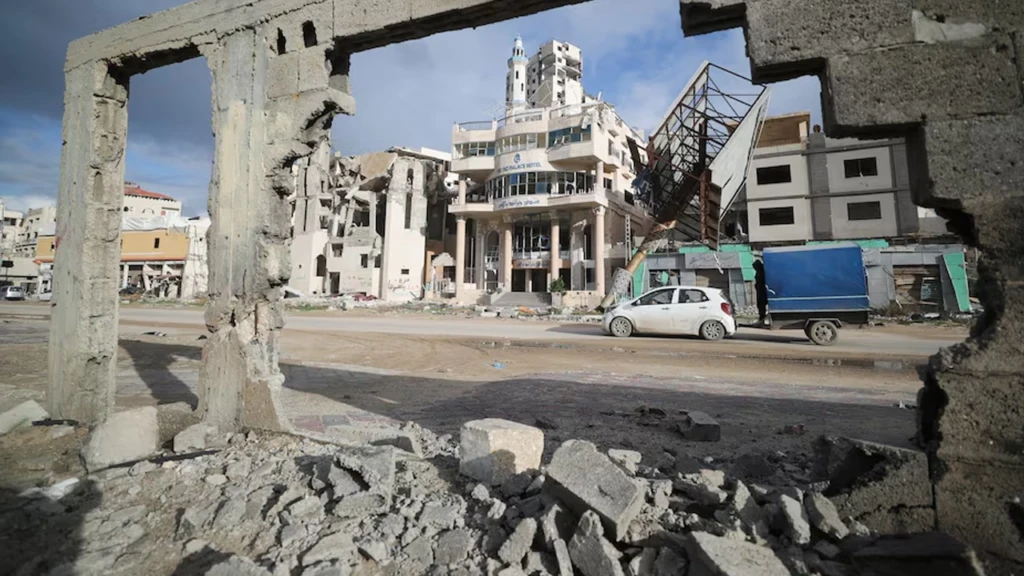
The continuing casualties have underscored the fragility of the ceasefire arrangement and the difficulty of achieving a lasting halt to hostilities in the densely populated Palestinian territory. Gaza has suffered extensive destruction during the conflict, while its health system has faced severe pressure from the scale of casualties and damage to medical infrastructure.
The latest developments come as negotiations continue over Gaza’s future governance, security arrangements and the question of Hamas’s weapons.
Hamas has said it will not agree to disarm while Israeli forces remain in the Gaza Strip. The position was reiterated amid renewed Israeli strikes and discussions over how the territory could be administered following the war.
Ghazzi Hamad, a senior Hamas official and member of the group’s negotiating team, told Al Jazeera that the issue of disarmament was directly linked to the complete withdrawal of Israeli forces from Gaza and the reconstruction of the war-ravaged territory.
Hamad said Israel would have no role in overseeing any disarmament process. Instead, he said, the process would be supervised by a Palestinian national committee.
The disagreement reflects one of the central challenges facing efforts to establish a durable post-war arrangement in Gaza. While Israel has placed security concerns and the removal of Hamas’s military capabilities at the heart of its position, Hamas has linked any discussion of disarmament to an Israeli military withdrawal and the reconstruction of the territory.
With casualties continuing to be reported even after the ceasefire, the latest figures demonstrate that the truce has not brought a complete end to violence in Gaza. The competing positions over military withdrawal, disarmament, governance and reconstruction remain major obstacles to a broader political settlement.