Sunday, 5th April 2026

Khabor Wala Desk
Published: 29th January 2026, 9:26 AM
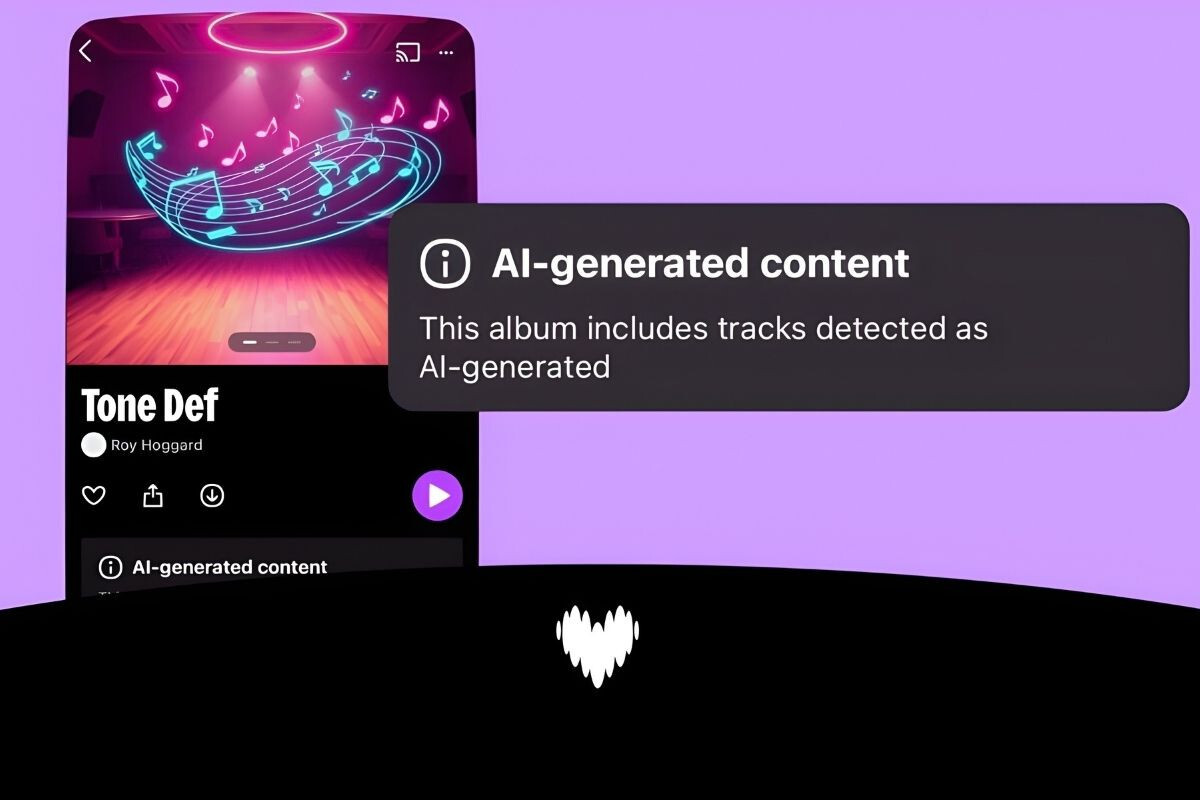
Deezer demonetizes fraudulent AI streams and licenses detection technology
Paris, 29 January 2026 – Deezer (Paris Euronext: DEEZR), the global music experiences platform, has revealed that up to 85% of streams from fully AI-generated music are fraudulent, leading the company to demonetize these plays and protect royalties for human artists. In a move to promote transparency across the music industry, Deezer is now making its AI-music detection technology commercially available.
The platform has witnessed a surge in AI-generated music, with an average of 60,000 AI tracks uploaded daily in January 2026 – approximately 39% of all daily music deliveries. Despite AI music representing only 1–3% of total streams, fraudulent activity within this segment is disproportionately high. In comparison, Deezer reports that overall streaming fraud across its full catalogue was just 8% in 2025.
Key Metrics: AI-Generated Music on Deezer (2025)
| Metric | Figure |
|---|---|
| AI tracks detected and tagged | 13.4 million |
| Daily AI track uploads | 60,000 (≈39% of daily deliveries) |
| Fraudulent AI streams | Up to 85% |
| Total share of AI streams | 1–3% |
| Overall streaming fraud | 8% |
Alexis Lanternier, Deezer CEO, emphasised the platform’s commitment to artists:
“Music generated entirely by AI has become nearly indistinguishable from human creation. Our approach is clear: transparency for fans and protection for artists. Fraudulent AI tracks are detected, tagged, and removed from algorithmic recommendations, ensuring users make informed listening choices, and royalties remain fair.”
Deezer’s AI detection technology, already used by Billboard to identify AI-generated tracks in charting, can detect content from leading generative models such as Suno and Udio, with potential expansion to additional AI tools. The platform is now licensing this technology to other industry players, encouraging wider adoption of standards for transparency and anti-fraud measures.
Since its introduction in early 2025, Deezer’s tool has tracked a steady increase in AI-generated content, and all fraudulent streams are excluded from royalty payments. The company also removes these tracks from editorial playlists and algorithmic recommendations, mitigating their impact on the royalty pool.
Lanternier added: “We’ve conducted successful tests with industry leaders, including Sacem. Our goal is to provide the industry with robust tools to reduce AI-music fraud and maintain fair compensation for artists.”
As AI-generated music continues to grow, Deezer remains the only platform actively combining detection, demonetization, and commercial licensing of AI-identification technology, setting a benchmark for transparency in the streaming industry.




Comments