The parliamentary constituency of Faridpur-3 has long been considered a stronghold of the Bangladesh Nationalist Party (BNP). Comprising Sadar Upazila, the constituency has historically favoured candidates from the renowned Moiz Manzil family, making BNP victories almost a given when both the party’s symbol and the family’s nominee are in the fray.
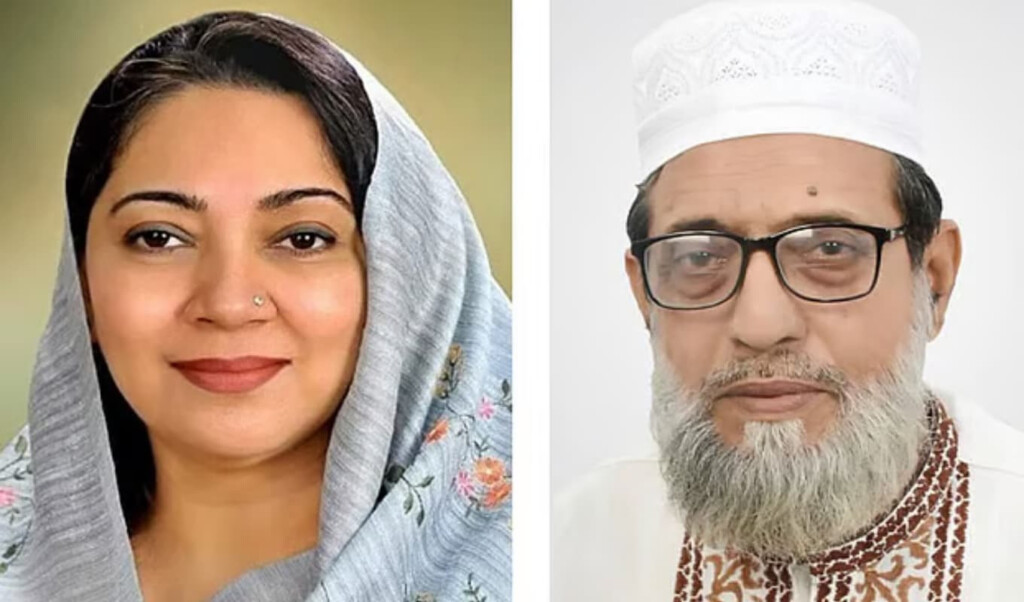
In the latest election, BNP retained the seat with candidate Nayab Yusuf, who had the party’s full backing as well as the Moiz Manzil family’s endorsement. However, Yusuf faced stiff competition and had to mount a vigorous campaign to secure victory.
Election results revealed a notable development: despite BNP’s win, the candidate from Jamaat-e-Islami, Abdut Tawab, experienced a remarkable surge in votes. In previous elections, Jamaat’s vote tally had rarely exceeded 30,000, but this time Tawab garnered 124,115 votes, narrowing the gap with Nayab Yusuf to just 24,430 votes.
A historical overview of Faridpur-3’s BNP and Jamaat vote trends since 1991 illustrates this shift:
| Election Year | BNP Candidate | BNP Votes | Jamaat Candidate | Jamaat Votes | Other Candidates | Other Votes |
|---|---|---|---|---|---|---|
| 1991 | Chowdhury Kamal Ibne Yusuf | 62,432 | Ali Ahsan Muhammad Mujahid | 16,502 | – | – |
| 1996 (12 June) | Chowdhury Kamal Ibne Yusuf | 60,779 | Ali Ahsan Muhammad Mujahid | 12,334 | – | – |
| 2001 | Chowdhury Kamal Ibne Yusuf (BNP-Joint) | Elected | – | – | – | – |
| 2008 | Chowdhury Kamal Ibne Yusuf (Independent) | 76,478 | Ali Ahsan Muhammad Mujahid (Joint) | 30,821 | Khondkar Mosharraf Hossain (Awami League) | 122,047 |
Nayab Yusuf comes from a prominent political lineage. His grandfather, Yusuf Ali Chowdhury, was widely regarded as a ‘kingmaker’ in local politics, while his father, Chowdhury Kamal Ibne Yusuf, was a key organiser of BNP in Faridpur and a five-time parliamentarian. Following his victory, Nayab Yusuf expressed surprise at Jamaat’s strong performance, stating, “It is astonishing how the Jamaat candidate secured such a high number of votes. We must analyse the data to understand the reasons.”
AKM Kibria Swapan, Secretary of the district BNP, admitted, “We did not achieve the level of support we had hoped for. A constituency-level analysis will help identify weaknesses and guide organisational improvements.”
Jamaat had targeted Faridpur-1 and Faridpur-3 for electoral gains. While the party succeeded in Faridpur-1, it fell short in Faridpur-3 despite fielding a single candidate backed by an 11-party alliance. Party Amir Shafiqul Rahman conducted focused public meetings in both constituencies.
Abdut Tawab, a college lecturer and central Shura Committee member, attributed the rise in his votes to his personal reputation and voters’ independent choices. He noted, however, that some segments of the Awami League aligning with BNP prevented his victory.
The Faridpur-3 outcome demonstrates that even in traditional strongholds, electoral success is no longer guaranteed solely by party affiliation or family reputation. Local social influence, candidate strategy, and shifting alliances are increasingly decisive, highlighting the evolving dynamics of Bangladesh’s parliamentary politics.