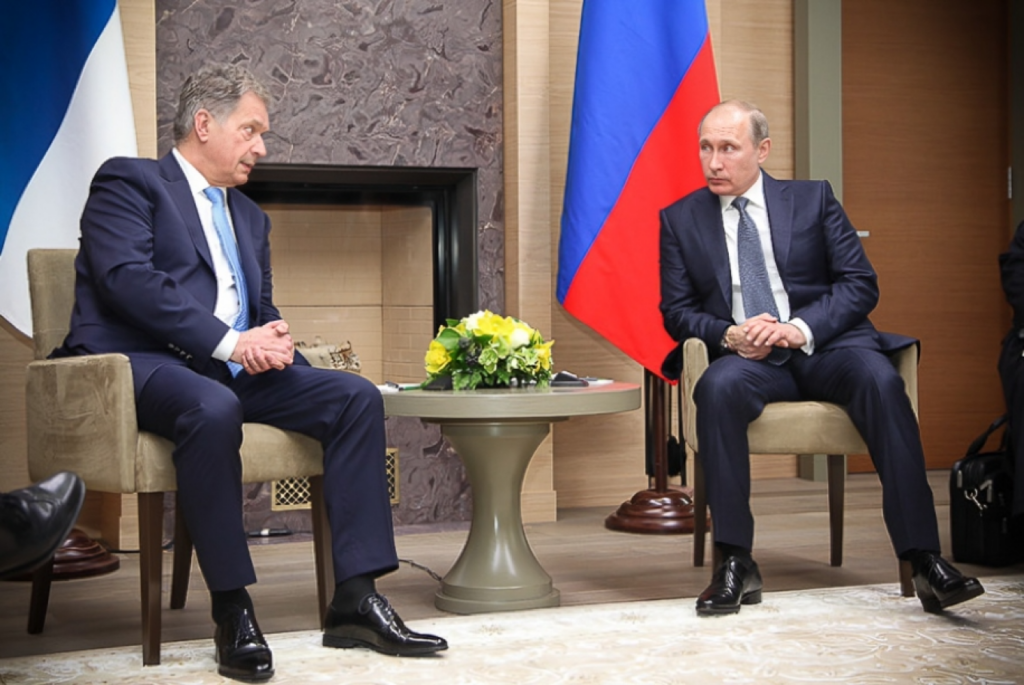
Finland on Thursday hosted a high-level conference to commemorate the 50th anniversary of the Helsinki Final Act, a landmark agreement that enshrined principles such as respect for borders, territorial integrity, and sovereignty — principles now under direct threat in the wake of Russia’s full-scale invasion of Ukraine.
Commemoration in the Shadow of War
The event, held in Helsinki, drew participation from international dignitaries including Ukrainian President Volodymyr Zelensky, UN Secretary-General António Guterres, and UN High Commissioner for Human Rights Volker Türk.
- President Zelensky, though invited to attend in person, will address the gathering remotely.
- Secretary-General Guterres will also deliver a video message, according to Finland’s foreign ministry.
Despite confirming its participation, Russia will not be represented at a high level.
“Russia does not see the expediency of participating in the event at a high political level,” said Maria Zakharova, spokeswoman for Russia’s foreign ministry, though she confirmed that Russian representatives would join the conversation.
Programme Highlights and Guests
| Time (EEST) | Event | Speaker/Delegate |
| 10:00 AM | Opening Speech by OSCE Chairperson-in-Office | Finnish Foreign Minister Elina Valtonen |
| Throughout Day | Video Addresses | Volodymyr Zelensky, António Guterres |
| High-Level Talks | Bilateral Discussions | Ukraine FM Andriy Sybiga, Finnish President Alexander Stubb |
| Participants | OSCE member states, UN officials, European representatives | — |
Historical Context: The Helsinki Final Act
Signed on 1 August 1975, the Helsinki Final Act was a major Cold War-era agreement between 35 nations, including the Soviet Union, United States, and nearly all European countries. It laid the foundation for the establishment of the Organization for Security and Co-operation in Europe (OSCE), which now comprises 57 member states.
Key principles enshrined in the Act:
- Sovereign equality of states
- Refraining from the threat or use of force
- Respect for human rights and fundamental freedoms
- Inviolability of borders
“The participating States regard as inviolable all one another’s frontiers… and therefore they will refrain now and in the future from assaulting these frontiers.” — Helsinki Final Act (1975
Present Challenges to the Accord
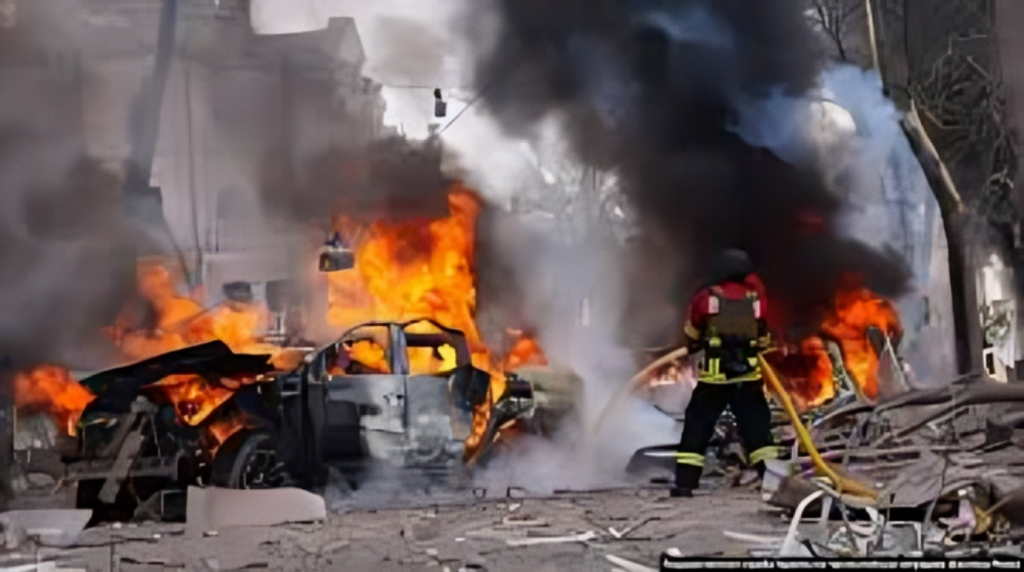
These core tenets are now being tested as Russia’s 2022 invasion of Ukraine undermines the very essence of the Helsinki principles.
- The OSCE has described the war as its most severe crisis since inception.
- Ukraine has repeatedly demanded Russia’s exclusion from the OSCE.
- In July 2024, Russia suspended its participation in the OSCE’s Parliamentary Assembly, labelling the institution anti-Russian and discriminatory, though it remains a formal member state
Bilateral Diplomacy and Key Topics
During his visit, Ukrainian Foreign Minister Andriy Sybiga will conduct bilateral meetings with Finnish officials, including President Alexander Stubb, as well as visiting dignitaries.
The Ukrainian Foreign Ministry noted that top discussion points include:
“Synchronising allied pressure on Moscow.”
This aligns with ongoing international efforts to coordinate sanctions and diplomatic strategies aimed at ending Russian aggression.
Tensions at the Border
Since mid-December 2023, Finland has closed its 1,340-kilometre (830-mile) eastern border with Russia, following a sudden influx of around 1,000 migrants without valid visas.
- Finnish authorities accused Russia of orchestrating the incident as a form of hybrid pressure.
- The Kremlin has firmly denied any involvement in directing migrant flows.
The golden jubilee of the Helsinki Final Act serves as both a reminder of the aspirations for peace and stability in Europe and a stark illustration of how those aspirations are under siege. Finland’s commemorative event, held in the capital where the accords were born, underscores the urgent need to reassert international norms and protect the foundations of European security.