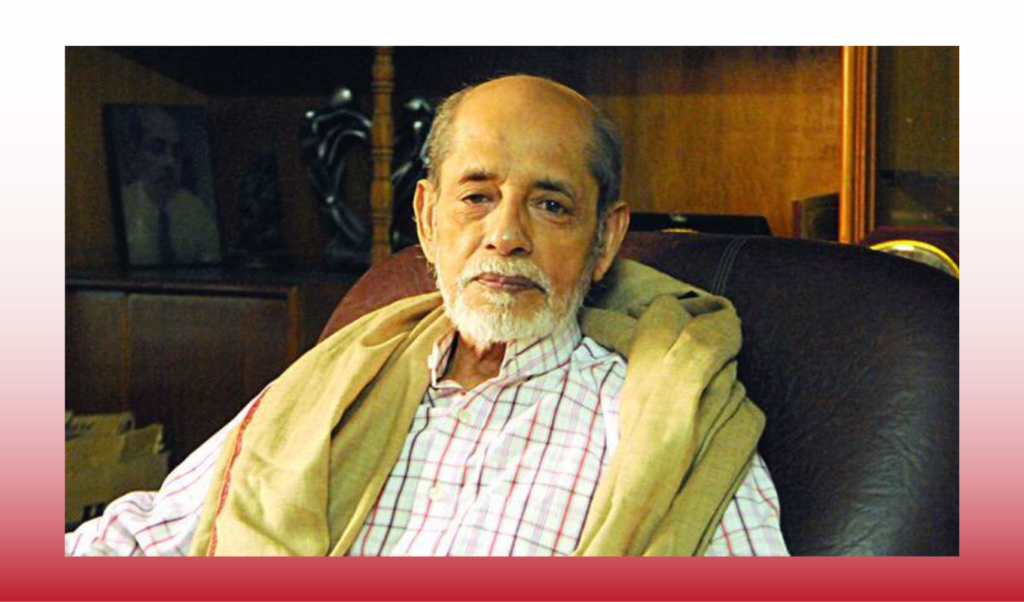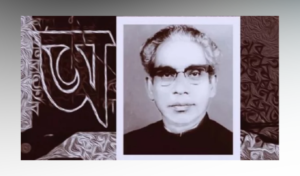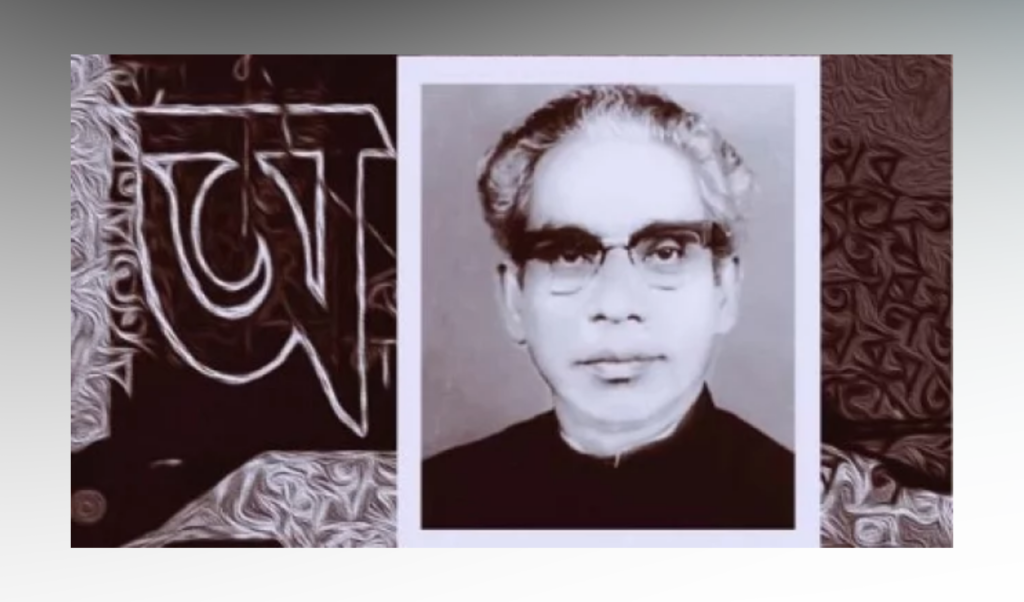
Bangladesh pays solemn tribute to Language Movement hero, student leader, and uncompromising activist M A Wadud on the anniversary of his passing. A central figure in the shaping of the nation’s political and cultural architecture, Wadud died on 28 August 1983. Across a life dedicated to democratic governance, social equality, and economic liberation, he remained an steadfast force against tyranny, imperial oppression, and military dictatorial regimes.
Born on 1 August 1925 in the village of Rarhichar, situated within Chandpur district, Wadud was drawn to social reform and political activism early in his youth. His formal entry into national prominence coincided with the tumultuous period following the 1947 partition of the Indian subcontinent. Recognizing the urgent need for organised student representation, he played a crucial role as a founding member of both the Democratic Youth League and the East Pakistan Muslim Students’ League in 1948. His organizational capability saw him quickly rise through the ranks of student leadership. He served as the General Secretary of the Dhaka City Students’ League twice, Assistant Secretary of the Provincial Students’ League, and ultimately held the post of General Secretary of the Provincial Students’ League during the crucial years of 1953 and 1954.
Wadud was a key architect of the historic 1952 Language Movement, which successfully established Bengali as a state language against the autocratic centralisation of the Pakistani state. His fierce advocacy for linguistic rights drew swift retaliation from the state authorities, leading to multiple incarcerations. Undeterred by imprisonment, legal harassment, or state violence, Wadud stood firmly alongside senior nationalist leaders, serving as a close associate to both Huseyn Shaheed Suhrawardy and Bangabandhu Sheikh Mujibur Rahman. He was also amongst the founding group that launched the East Pakistan Awami Muslim League and contributed significantly to the establishment of the weekly and daily editions of the influential newspaper Ittefaq.
His defiant stance against institutional authority was famously demonstrated in 1949, when he led student demonstrations backing the legitimate demands of Dhaka University’s lower-grade staff. For his leadership in the strike, the university administration rusticated Wadud alongside Sheikh Mujibur Rahman, forcing him into prolonged hiding. State repression intensified following the dismissal of the United Front government under the imposition of Section 92(A) in 1954, resulting in his immediate arrest and detainment as part of a crackdown on student leaders.
Wadud’s refusal to compromise political morality for personal gain continued well into the post-independence era. In 1978, he rejected lucrative cabinet posts offered by the contemporary military regime. His refusal to collaborate sparked severe state retribution, resulting in three separate periods of imprisonment and persistent judicial harassment under military rule.
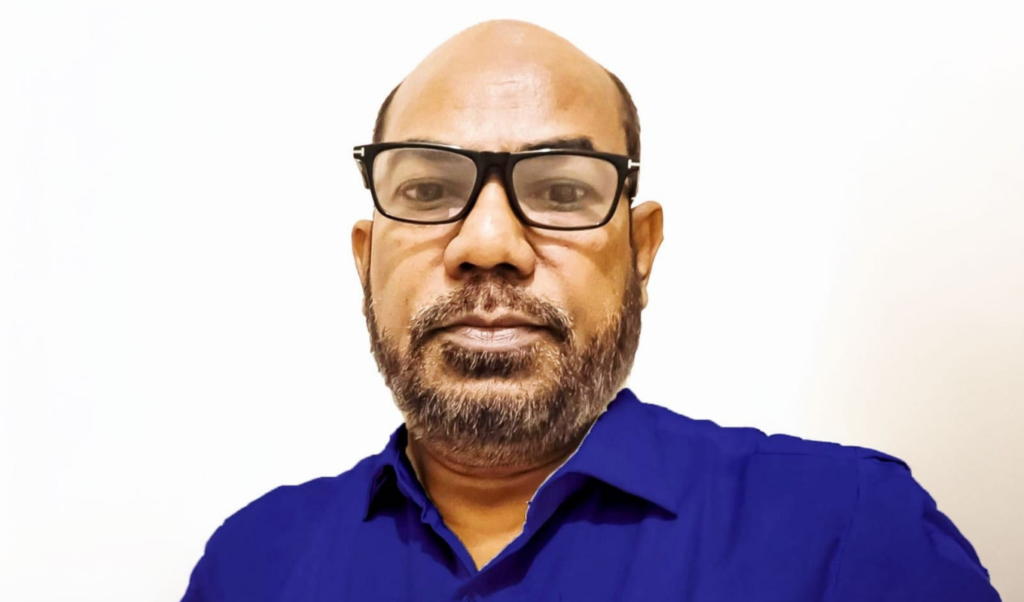
Beyond his political legacy, Wadud left an indelible mark on the nation’s cultural development. In 1956, he co-founded Kochi Kanchar Mela, an institution dedicated to the artistic and intellectual development of children, which grew into one of the country’s most cherished cultural organisations. In his private life, Wadud raised children who went on to achieve national distinction, including former Education Minister Dr Dipu Moni and prominent diabetic foot surgeon Dr Jawadur Rahim Wadud Tipu.
M A Wadud’s lifelong commitment to human rights, national self-determination, and democratic principles cements his place in history. Decades after his death, his legacy endures as a beacon for those standing against injustice.