Fresh flash flooding has struck central Nepal just months after a series of deadly floods devastated parts of the country, sweeping away homes, damaging vital infrastructure and leaving at least five people missing. Authorities have launched rescue efforts and warned residents in vulnerable riverbank communities to move to safer locations as concerns grow over further flooding.
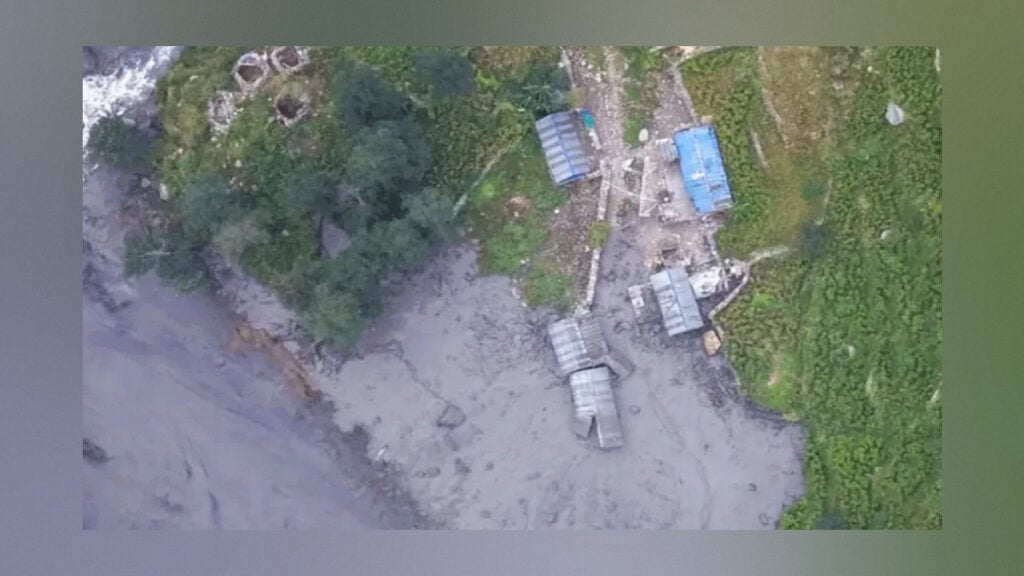
The latest disaster occurred on Saturday, 11 October, in Chumnubri village in Gorkha district, approximately 100 kilometres west of the capital, Kathmandu. According to officials, a landslide obstructed the flow of the Budhi Gandaki River, triggering flooding in the surrounding area.
Nepal’s National Disaster Risk Reduction and Management Authority (NDRRMA) confirmed that five people remain missing, including two women and three men. No deaths had been reported at the time of the latest official update. At least 82 people were rescued from the affected area, among them nine foreign nationals.
The flooding caused considerable damage to homes and transport infrastructure. Around a dozen houses and two suspension bridges were swept away by the powerful current. A camp belonging to a hydropower project was also damaged, while some construction equipment associated with the project was carried away by the floodwaters.
Dharma Raj Upreti, chief executive of the NDRRMA, said a highway bridge connecting Gorkha district with neighbouring Dhading district had been swept away by a powerful flow of muddy water. The destruction of the bridge has raised concerns about transport links and access to affected communities, particularly if further emergency assistance is required.
The Budhi Gandaki is a tributary of the Trishuli River, which forms part of a wider river system flowing through Nepal’s mountainous terrain. Landslides and sudden changes in river flow can create particularly dangerous conditions in these areas, where steep slopes and narrow valleys can intensify the effects of heavy rainfall and floodwaters.
The latest incident has renewed memories of a devastating disaster in August, when a glacier-related collapse in the catchment of another tributary of the Trishuli River triggered catastrophic flooding. The disaster killed 1,457 people, while thousands more remained missing, according to the figures cited in the report. The scale of that tragedy underlined the severe risks faced by communities living in Nepal’s mountainous river valleys.
Local authorities are now urging residents to take precautions. Dharmendra Kumar Mishra, Gorkha district’s senior administrative official, said people living in villages along the downstream riverbanks had been advised to move to safer ground and remain alert to changing conditions.
Nepal’s disaster management authorities have also issued warnings for riverbank communities in Gorkha, Tanahun, Chitwan, East Nawalparasi and West Nawalparasi districts. Residents in these areas have been urged to remain vigilant and follow official instructions as the situation develops.
The warnings reflect wider concerns about the country’s exposure to floods and landslides during periods of intense rainfall. Nepal’s mountainous landscape makes many settlements vulnerable to sudden surges in river levels, while damage to bridges and roads can complicate rescue operations and restrict access to remote communities.
The country has already suffered further weather-related losses in recent weeks. According to disaster management officials, heavy rainfall towards the end of September triggered floods and landslides that killed at least 21 people.
With five people still missing following the latest flooding, the immediate priorities remain locating those unaccounted for, assessing damage and protecting residents in areas at risk. Authorities are also monitoring conditions along the river system and warning communities downstream to remain prepared for potential changes in water levels.
The latest disaster highlights the continuing challenge Nepal faces in protecting its population from sudden natural hazards. For communities living near rivers and unstable mountain slopes, timely warnings, safe evacuation routes and accessible emergency services remain essential to reducing the risk of further loss of life.

/ Oct 12, 2026
Breaking News :