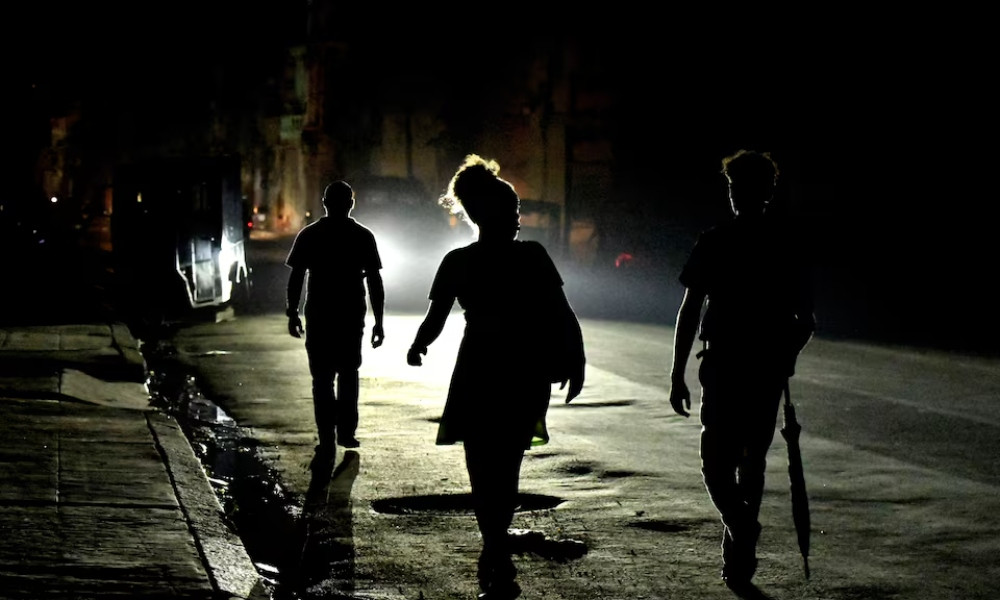
Cuba has been plunged into another severe nationwide power outage after an escalating fuel shortage and the collapse of the country’s electricity grid left millions without power, disrupting daily life and placing additional strain on essential public services.
The blackout struck on Monday, leaving the Caribbean nation of nearly 10 million people facing widespread hardship. Electricity supplies were cut across large parts of the country after the national grid failed unexpectedly. Although authorities have launched emergency measures to restore the system, officials have not been able to say when normal electricity services will resume.
State-owned electricity company Electric Union said engineers were investigating the cause of the grid failure while working to bring power generation facilities back online. Cuba’s Ministry of Energy and Mines also confirmed that emergency response protocols had been activated in an effort to stabilise the country’s electricity network and gradually restore supply.
The latest crisis comes against the backdrop of a prolonged fuel shortage that has worsened steadily since January. Cuba produces only around 40 per cent of the fuel it requires, leaving the country heavily dependent on imported oil to operate power stations, public transport and other critical infrastructure.
The shortage has reportedly deepened after US President Donald Trump warned that additional tariffs could be imposed on countries supplying oil to Cuba. The warning has significantly affected fuel shipments to the island, reducing imports at a time when domestic production remains insufficient to meet demand.
Russia delivered approximately 730,000 barrels of oil to Cuba at the end of March, providing temporary relief. However, those supplies had reportedly been exhausted by the end of April, once again exposing the country’s fragile energy situation.
Even before the latest grid collapse, the Cuban government had been enforcing lengthy scheduled power cuts to conserve dwindling fuel reserves. In many communities, electricity was unavailable for several hours each day, while some areas experienced outages lasting more than 24 consecutive hours.
The nationwide blackout has paralysed everyday life. Public transport services have been severely disrupted, making travel difficult for commuters and workers. Hospitals have also been affected, with thousands of non-urgent surgical procedures reportedly cancelled as medical facilities struggled to cope with limited electricity. Interruptions to power have also affected water pumping and gas distribution systems, leaving many households without access to essential services.
Residents have expressed growing frustration over the deteriorating conditions. Lina May, a 36-year-old resident of Havana, said she had told her father they would have to buy charcoal to prepare meals, fearing they would otherwise struggle to eat. Another resident, Mario Pedroso, said the country had been experiencing a shortage of oil supplies for some time and that ordinary people had little choice but to endure the continuing hardship.
This is not the first major electricity crisis to hit Cuba in recent months. The country experienced significant nationwide blackouts in both March and May, highlighting persistent structural weaknesses in its ageing power infrastructure and its dependence on imported fuel. As officials continue efforts to restore the grid, many Cubans remain uncertain about when stable electricity and normal daily life will return.