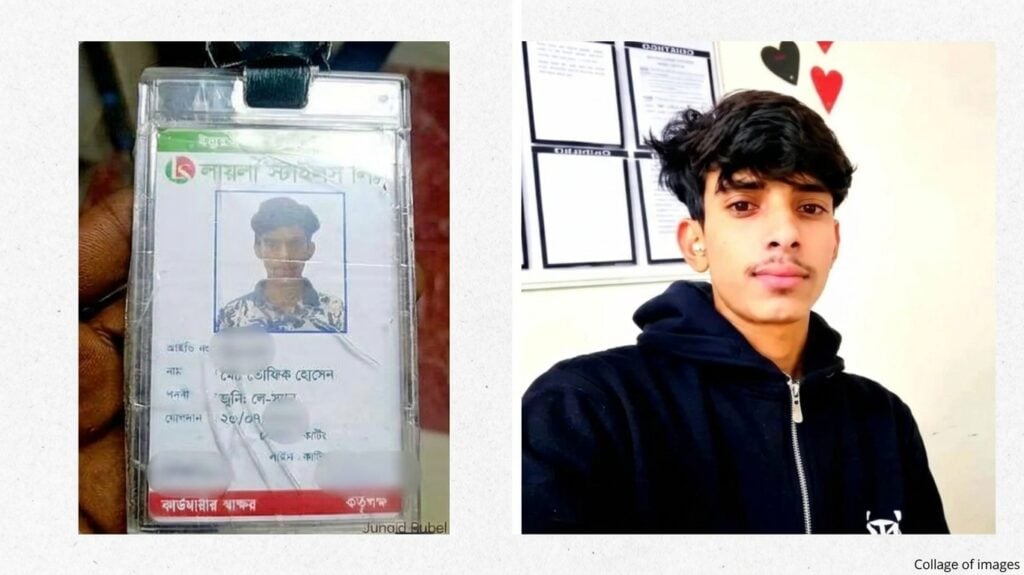
The worker, Toufiq Sheikh, died on Tuesday while receiving treatment at Shin Shin Japan Hospital in Uttara, Dhaka. He had sustained serious injuries during an incident near a garment factory in Gazipur on Monday.
Toufiq was the son of Tabibur Rahman Tabi Khan, from Chhaygharia village in Gobindaganj upazila of Gaibandha. He lived in the Banglabazar area of Gazipur and worked at the local Layla Garments factory.
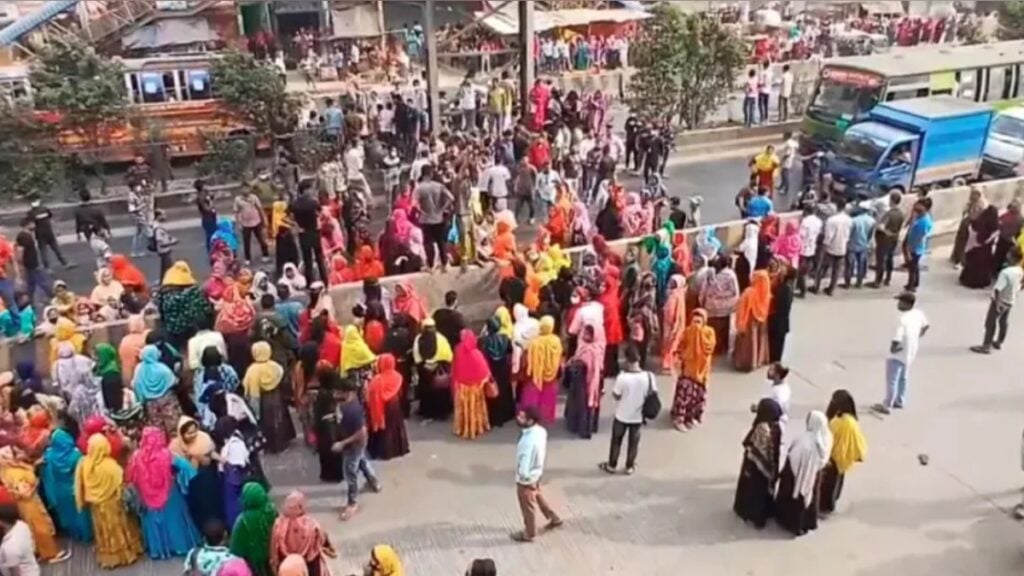
According to his relatives, Toufiq had been living in Banglabazar for around five years and working in the garment sector. On Monday, while a workers’ protest was taking place outside Territory Garments, part of the Noman Group, he reportedly attempted to record an incident of violence on his mobile phone.
His relatives alleged that a group of attackers turned on him and assaulted him when they noticed him recording the incident. He sustained serious injuries and was later rescued by fellow workers, who took him to hospital. Despite receiving treatment, he died on Tuesday morning.
However, the police have provided a different account of the circumstances surrounding the incident.
Mohammad Belayet Hossain, Additional Commissioner (Crime and Operations) of Gazipur Metropolitan Police (GMP), said a group of outsiders had gone to a factory and attempted to pressure its management into shutting down operations. When the management refused, a clash broke out between the outsiders and factory workers, leaving one worker critically injured. The injured worker subsequently died.
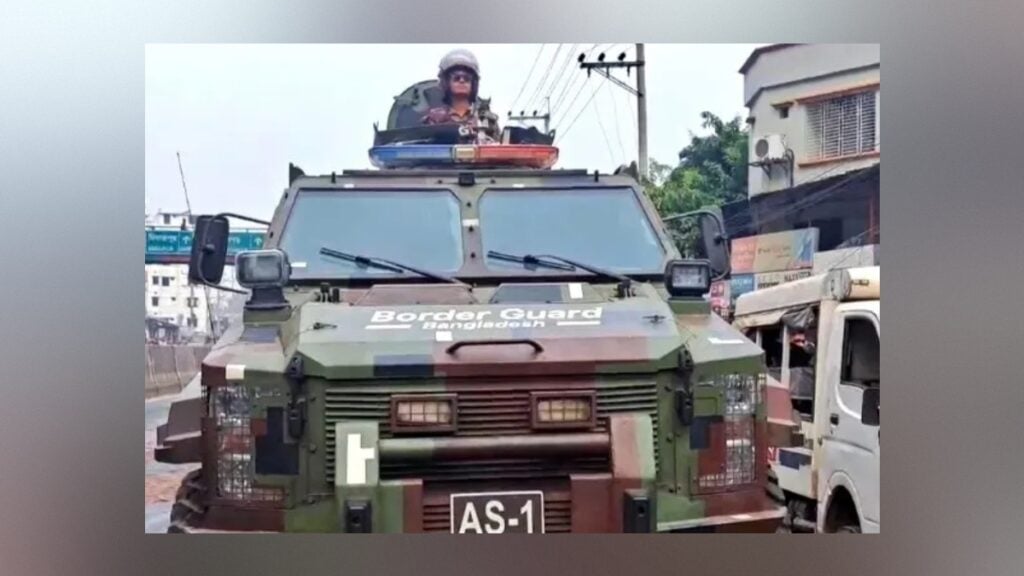
He also said no police personnel were present at the scene when the incident occurred.
The conflicting accounts have highlighted the need to establish precisely how the violence began and who was responsible for the attack that led to Toufiq’s death.
More Than 50 Factories Announce Holidays
The worker’s death comes amid growing unrest in Gazipur’s garment industry, where disputes over minimum wage structures and their implementation have contributed to tensions in several industrial areas.
Against this backdrop, more than 50 garment factories in Gazipur announced temporary closures on Tuesday night. Separate notices issued by factory managements confirmed that some establishments would remain closed for one day, while others opted for holidays lasting two or three days.
Cotton Club (BD) Limited and Cotton Cloud (BD) Limited, both located in the Kashimpur area of Gazipur city, jointly announced a two-day general holiday.
According to notices issued by the companies, the decision was taken in response to labour unrest in different industrial areas across the country, workplace instability and wider security concerns surrounding the determination and implementation of the minimum wage structure in the garment sector.
The two factories are scheduled to remain closed on Wednesday and Thursday. However, employees working in security and maintenance departments will be exempt from the holiday arrangement.
Meanwhile, Lee Fashion Industry Limited, located in Purba Chandra in Kaliakair upazila, announced a one-day general holiday. A notice from its Human Resources Management Department stated that the relevant departments across all shifts would remain closed on Wednesday. Normal operations across all shifts are scheduled to resume on Thursday, 5 November.
Several other factories have also announced temporary closures.
Panorama Apparels Limited in the Bhogra area of Gazipur city, along with Mitali Club and Jockey Garments in Kashimpur, have announced three-day holidays.
Standard Group, located in the Jarun area of Konabari, has declared a two-day closure. Montex and DBL have also announced that their factories will remain closed for two days.
Apex Holdings Limited, in the Chandra Palli Bidyut area of Kaliakair, has opted for a one-day holiday.
Other factories in the same area, including Ecotex Limited, Cocola Food Products, Sadma Fashion, Hydroxide Limited and Interstoff, have also announced temporary closures. The duration varies between one and two days, depending on the establishment.
Management Hopes Break Will Ease Tensions
Jahangir Alam, an official at Lee Fashion, said the factory had decided to suspend operations for two days because of the labour unrest.
He explained that Friday was already the factory’s weekly holiday, meaning workers would receive three consecutive days off. Management hopes the situation will calm down during this period, allowing production to resume without further disruption.
The temporary closures reflect the growing concern among factory owners over maintaining workplace security amid labour disputes. While suspending production can help reduce the immediate risk of confrontation, prolonged disruption could also affect workers’ earnings and factory operations.
The garment industry is a major contributor to Bangladesh’s export earnings and employs millions of workers across the country. Gazipur, in particular, is one of the country’s most important garment manufacturing hubs, with a large concentration of factories and workers.
As a result, unrest in the district has implications beyond individual factories. Disruptions to production can affect delivery schedules, supply chains and the wider export sector, particularly when several establishments suspend operations simultaneously.
Industrial Police Monitor the Situation
Mohammad Amzad Hossain, Superintendent of Police of the Gazipur industrial police, said they had so far received reports of several factories being closed.
He added that they had also been informed of the Bangladesh Garment Manufacturers and Exporters Association’s (BGMEA) announcement that factories should not be closed.
The differing decisions by individual factory managements underline the uncertainty surrounding the situation. While some establishments have opted for temporary holidays as a precaution, the industry association has reportedly taken a different position.
Toufiq Sheikh’s death has added urgency to efforts to restore stability in the industrial district. Ensuring workers’ safety, addressing wage-related grievances and preventing further clashes are now central concerns for both factory managements and the authorities.
A return to normal operations will depend not only on improved security but also on effective communication between workers, employers and relevant authorities.