Violent clashes between garment workers and police over demands for a minimum monthly wage of Tk 30,000 brought parts of Mirpur in the capital to a standstill on Sunday, disrupting road traffic and forcing the authorities to suspend operations at five metro rail stations.
The unrest began after garment workers blocked roads in the Mirpur-10 area, calling for the minimum monthly wage to be increased to Tk 30,000. The demonstration quickly spread to nearby areas, bringing traffic to a halt across several major roads. Commuters and pedestrians faced considerable difficulties as movement between Mirpur-10, Mirpur-14 and Pallabi was severely disrupted.
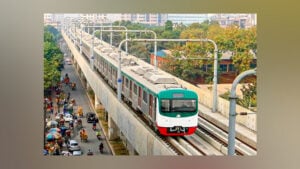
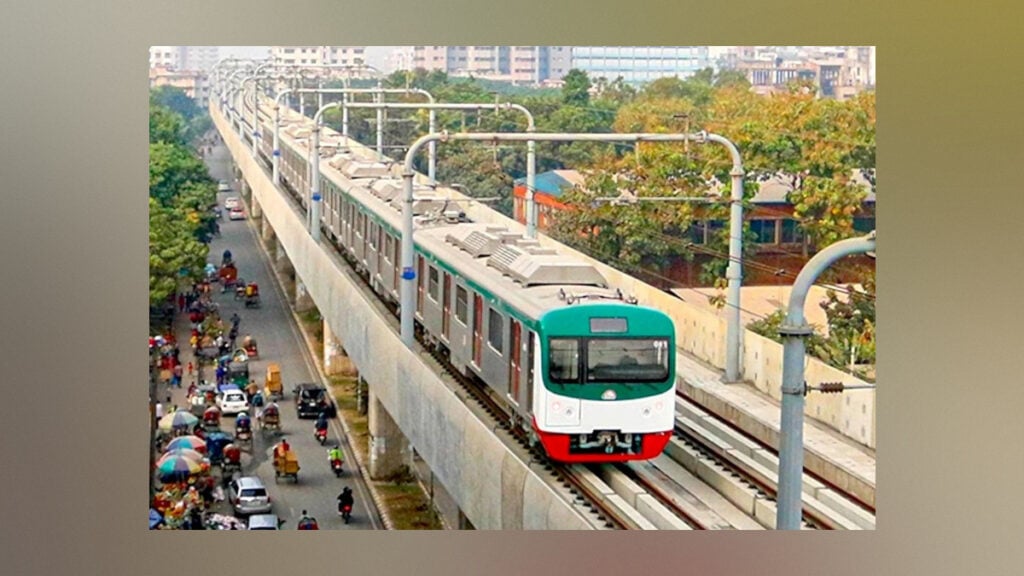
Following clashes between protesters and police at around noon, the authorities initially suspended services at Mirpur-10, Mirpur-11 and Pallabi metro rail stations. Shewrapara and Kazipara stations were subsequently closed as the situation developed. The suspension affected a key section of the city’s public transport network, leaving passengers who rely on the metro rail with fewer travel options.
Workers had begun gathering on the streets from early Sunday morning. Groups of garment employees arrived from different parts of Mirpur and surrounding neighbourhoods before taking up positions on the roads. Their demonstration effectively disrupted traffic from Mirpur-10 towards Mirpur-14, as well as routes around Pallabi.
The situation deteriorated when police attempted to remove the demonstrators from the roads. Clashes followed, prompting law enforcement personnel to intervene. After midday, police took control of the Mirpur-10 area, while the protesters dispersed from the main gathering point and took up scattered positions along roads in Mirpur-2, Mirpur-11 and Mirpur-14.
According to the latest information available, Mirpur-10 remained under police control. Although a limited number of vehicles had begun moving through the area, most roads were still relatively empty. Police personnel were preventing people from gathering on the streets as officers worked to maintain order.
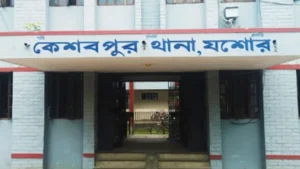
Sub-Inspector Hafizul Islam, the duty officer at Mirpur Police Station, confirmed that the area was under police control. He said senior police officials were present at the scene and monitoring the situation.
The disruption highlighted the wider impact that industrial unrest can have on transport and everyday life in the capital. Mirpur is a densely populated part of Dhaka, with busy residential, commercial and industrial areas. Road blockades there can quickly affect commuters travelling between neighbouring districts and other parts of the city. The closure of several metro rail stations added to the difficulties, particularly for passengers who depend on the service to avoid road congestion.
Garment workers’ wage demands have remained a significant issue in Bangladesh’s apparel industry, which employs a large workforce and plays a central role in the country’s export economy. Disputes over wages and working conditions can lead to demonstrations, particularly when workers seek higher pay to cope with rising living costs.
However, there was no immediate official information on whether anyone had been injured or detained during Sunday’s clashes. The authorities had also not announced when the five closed metro rail stations would resume normal operations.