International crude oil benchmarks fell sharply by more than four dollars a barrel following an announcement by US President Donald Trump that scheduled military strikes on Iran had been stood down to facilitate diplomatic talks.
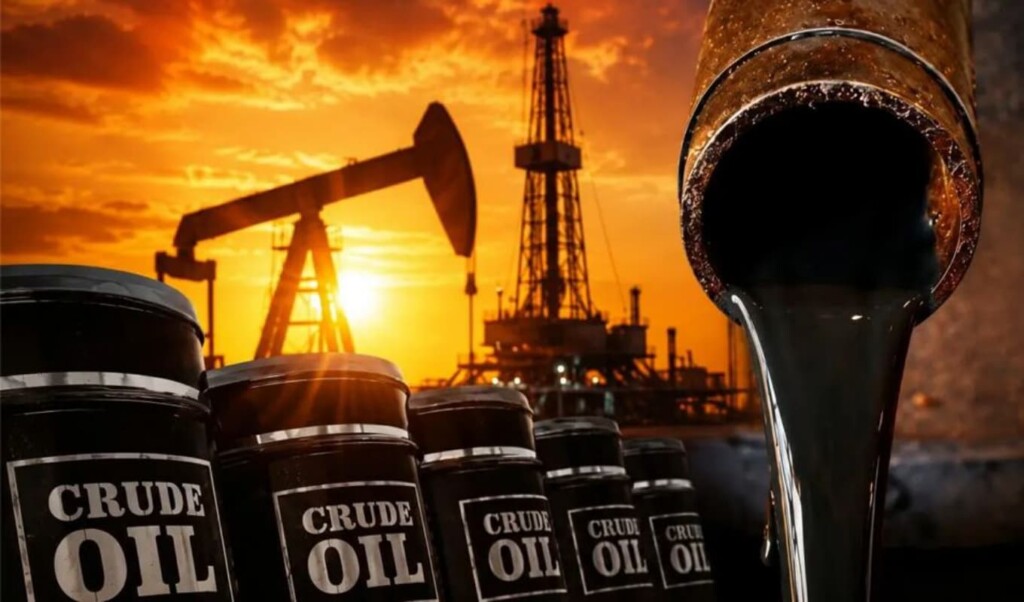
Financial market indicators revealed that Brent crude dropped by $4.08, or 4.64 per cent, to trade at $83.85 per barrel. In tandem, US West Texas Intermediate (WTI) crude declined by $4.01, or 4.74 per cent, settling at $80.66 per barrel. This notable downturn reverses a steep upward trajectory seen over recent weeks, when crude prices escalated by upwards of 20 per cent amidst renewed US hostilities against Iran and subsequent Iranian strikes targeting maritime oil tankers near the coast of Oman.
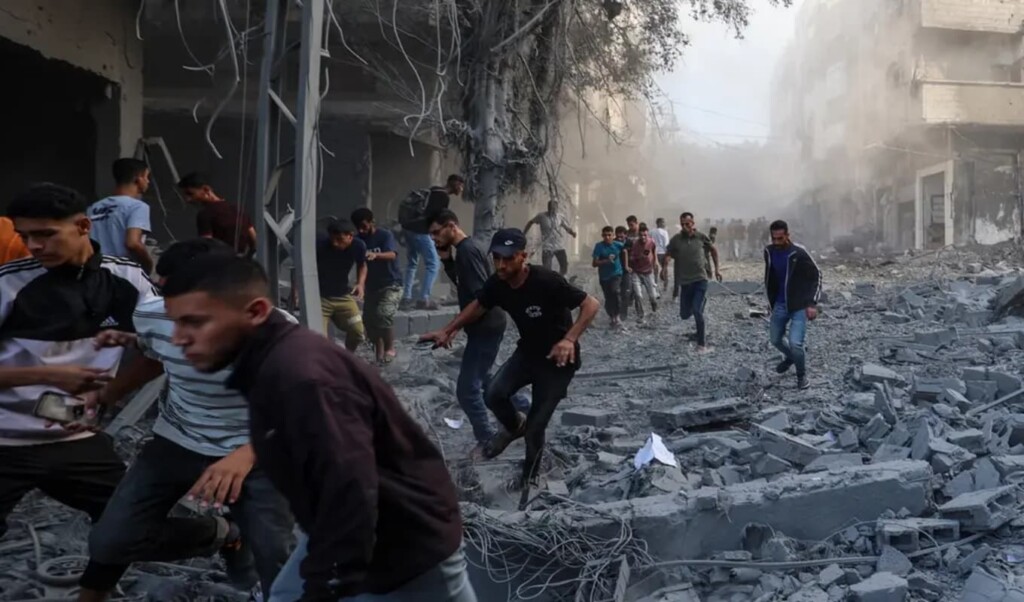
The immediate catalyst for the market shift was a statement published by President Trump on Truth Social. In his message, Trump disclosed that American forces were positioned to launch a military operation against Tehran of a magnitude unseen since the Second World War. Nevertheless, he confirmed that the offensive was aborted following representations from Iranian authorities and key Middle Eastern states, who indicated that an initial framework for a peaceful resolution had been established.
Key stipulations within the proposed framework require Tehran to guarantee unrestricted navigation through the Strait of Hormuz—a vital transit point for global energy shipping—and to permanently neutralize its nuclear program. Trump emphasised that the decision to suspend military action was taken to promote international stability and support Iranian economic prospects, contingent upon the rapid conclusion of a binding accord.
The swift market reaction underlines the critical sensitivity of global energy supplies to geopolitical tensions in the Middle East, particularly around key maritime transit chokepoints. Traders and market observers continue to scrutinise diplomatic developments closely to assess whether these preliminary understandings will translate into long-term geopolitical stability.