While the world rightly honours the heroes of 1952 in Dhaka—whose sacrifices for the Bengali language led to the establishment of International Mother Language Day—a parallel narrative of linguistic resistance unfolded across the border in north-eastern India. In the Barak Valley of Assam, Bengali-speaking populations fought courageously against state-imposed linguistic assimilation. This struggle, marked by deep solemnity and dignity, remains a vital yet frequently under-reported chapter in the broader history of rights for linguistic minorities.
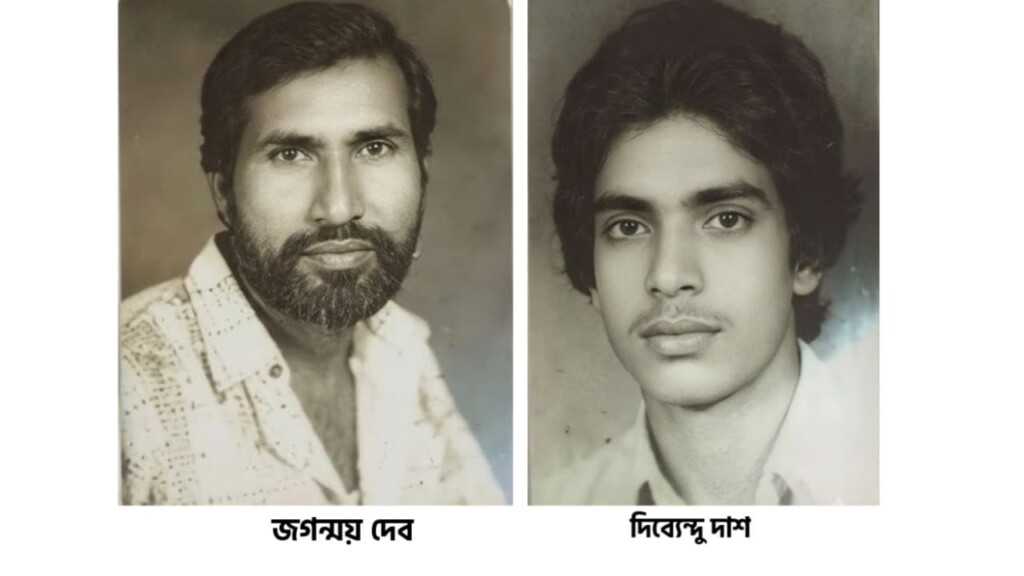
The date of 21 July serves as a crucial milestone in this narrative. On this day in 1986, two young demonstrators, Jaganmay Deb and Dibyendu Das, were killed by police gunfire during a peaceful demonstration in Karimganj, Assam. Their deaths brought the total number of recognized language martyrs in the region to thirteen, reinforcing the profound sacrifices made to defend their heritage.
The Catalysts of Resistance
The origins of the movement date back to April 1960, when the Assam Pradesh Congress Committee adopted a resolution declaring Assamese the sole official language of the state. This declaration systematically disregarded the demographic reality of the Barak Valley—comprising Cachar, Karimganj, and Hailakandi—where the majority of residents were native Bengali speakers.
The decision sparked immediate and widespread public protests across the valley. Concurrently, inter-ethnic violence escalated in the Brahmaputra Valley, targeting Bengali residents. Official records from government inquiry commissions noted widespread destruction, including the burning of 4,019 huts and 58 permanent structures in 25 villages across Kamrup district, alongside numerous injuries and at least nine deaths. Despite this hostile environment, the demand for official recognition of the Bengali language in the region grew stronger.
The Tragedy at Silchar Station: 19 May 1961
The civil unrest culminated in tragedy on 19 May 1961. A peaceful Satyagraha demonstration was organised at Silchar Railway Station to demand official language status for Bengali within the valley. State police forces opened fire without warning on the unarmed crowd, resulting in eleven fatalities.
The eleven individuals who fell at Silchar were:
-
Kanailal Niyogi
-
Chandicharan Sutradhar
-
Hitesh Biswas
-
Satyendra Deb
-
Kumudranjan Das
-
Sunil Sarkar
-
Tarani Debnath
-
Sachindra Chandra Pal
-
Birendra Sutradhar
-
Sukamal Purkayastha
-
Kamala Bhattacharya
Among them, Kamala Bhattacharya gained historical recognition as the world’s first female language martyr. The overwhelming public response to these killings ultimately forced the state government to concede, granting Bengali co-official status in the Barak Valley. To this day, 19 May is observed regionally as Language Martyr Day.
Complete Roll of Martyrs: The Barak Valley Movement
The following record outlines the individuals who lost their lives while asserting their constitutional and linguistic rights in the region:
| No. | Name of Martyr | Date of Incident | Location | Historical Context |
| 1 | Kanailal Niyogi | 19 May 1961 | Silchar Railway Station | Demonstration for official status of Bengali |
| 2 | Chandicharan Sutradhar | 19 May 1961 | Silchar Railway Station | Demonstration for official status of Bengali |
| 3 | Hitesh Biswas | 19 May 1961 | Silchar Railway Station | Demonstration for official status of Bengali |
| 4 | Satyendra Deb | 19 May 1961 | Silchar Railway Station | Demonstration for official status of Bengali |
| 5 | Kumudranjan Das | 19 May 1961 | Silchar Railway Station | Demonstration for official status of Bengali |
| 6 | Sunil Sarkar | 19 May 1961 | Silchar Railway Station | Demonstration for official status of Bengali |
| 7 | Tarani Debnath | 19 May 1961 | Silchar Railway Station | Demonstration for official status of Bengali |
| 8 | Sachindra Chandra Pal | 19 May 1961 | Silchar Railway Station | Demonstration for official status of Bengali |
| 9 | Birendra Sutradhar | 19 May 1961 | Silchar Railway Station | Demonstration for official status of Bengali |
| 10 | Sukamal Purkayastha | 19 May 1961 | Silchar Railway Station | Demonstration for official status of Bengali |
| 11 | Kamala Bhattacharya | 19 May 1961 | Silchar Railway Station | Demonstration for official status of Bengali |
| 12 | Jaganmay Deb | 21 July 1986 | Karimganj | Protests against compulsory Assamese in schools |
| 13 | Dibyendu Das | 21 July 1986 | Karimganj | Protests against compulsory Assamese in schools |
Renewal of Struggle in 1986
Twenty-five years after the Silchar incident, tensions flared once more. In 1986, a government circular made Assamese a compulsory subject in all schools throughout the state, directly affecting the non-Assamese majority in the Barak Valley.
On 21 July 1986, during a visit by the Chief Minister to Karimganj, mass protests erupted demanding the immediate withdrawal of the circular. Police again resorted to live ammunition to disperse the peaceful procession, killing Jaganmay Deb and Dibyendu Das. Their deaths highlighted the persistent challenges faced by minority communities in safeguarding their linguistic autonomy.
The movement for linguistic rights in the region also encompasses other minority groups. Sudeshna Sinha, a activist who gave her life in defense of the Bishnupriya Manipuri language, remains a revered figure in the broader regional movement for cultural rights.
A Legacy Beyond Borders
Language forms the cornerstone of cultural identity, historical memory, and community cohesion. The history of the Barak Valley serves as a stark reminder that the protection of mother tongues is an ongoing responsibility that transcends political borders, forming a fundamental part of global human rights history.