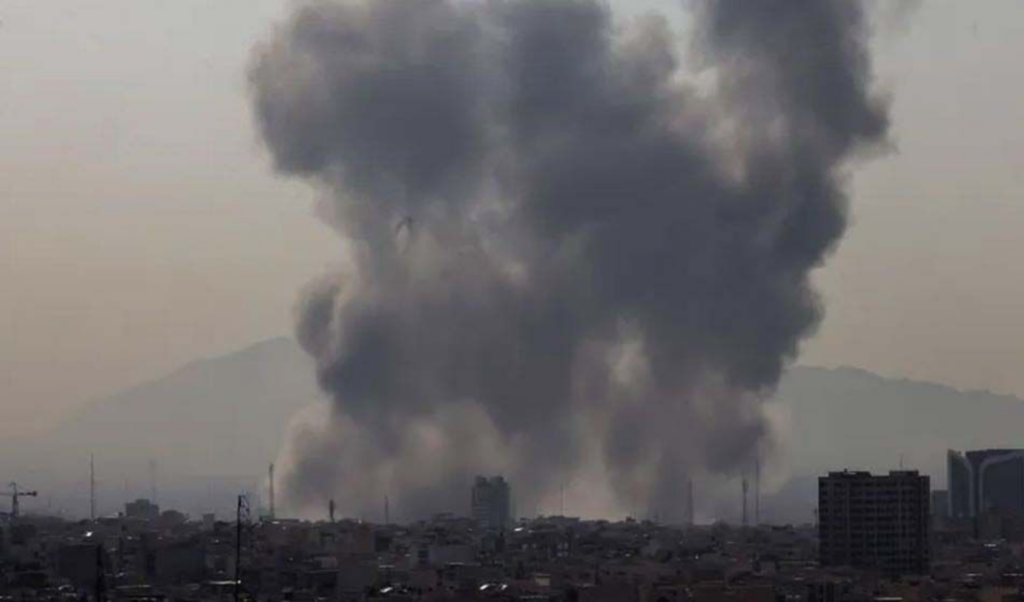
Iran has escalated its retaliatory campaign in response to a recent joint military operation by the United States and Israel, targeting American forces across the Gulf region. On Saturday (28 February), the Islamic Republic launched a missile strike on a US military base in Saudi Arabia, marking the latest episode in a series of attacks aimed at punishing countries accused of supporting Washington’s military activities in the Middle East.
The strike comes in the wake of previous assaults on US installations in the region. Earlier, Iranian forces targeted the headquarters of the US Fifth Fleet in Bahrain, which reportedly sustained significant damage, according to multiple international news outlets. Following this, missile attacks were directed at American military bases in Kuwait, Qatar, and the United Arab Emirates, signalling a coordinated effort by Tehran to pressure US allies in the Gulf.
Analysts suggest that these attacks form part of Iran’s broader strategy to assert its regional influence while sending a clear warning to Washington and Tel Aviv. The timing of the latest strike in Saudi Arabia coincided with renewed joint military operations by the US and Israel, further intensifying tensions across the region.
A summary of the recent Iranian missile attacks against US military installations is provided below:
| Date | Location | Target | Reported Damage |
|---|---|---|---|
| February 2026 | Bahrain | US Fifth Fleet Headquarters | Significant structural damage |
| February 2026 | Kuwait, Qatar, UAE | Various US military bases | Targeted missile strikes, minor damage reported |
| 28 February 2026 | Saudi Arabia | US military base | Threat to personnel; operational facilities affected |
While there have been no confirmed reports of casualties from the Saudi base strike, US military officials have described the attacks as a serious escalation, requiring heightened security and rapid defensive measures. Regional security analysts warn that continued Iranian missile activity could disrupt the stability of key Gulf states and impact global oil markets.
The strikes underscore the fragility of regional security and the challenges faced by US and allied forces operating in the Gulf. Diplomatic channels remain crucial, experts argue, to de-escalate tensions and prevent further military confrontations.
With the Middle East on high alert, the international community is closely monitoring the situation, as further Iranian retaliation or additional joint operations by the United States and Israel could trigger a broader regional conflict. The coming days will likely determine whether these strikes remain isolated incidents or mark the beginning of a sustained escalation.