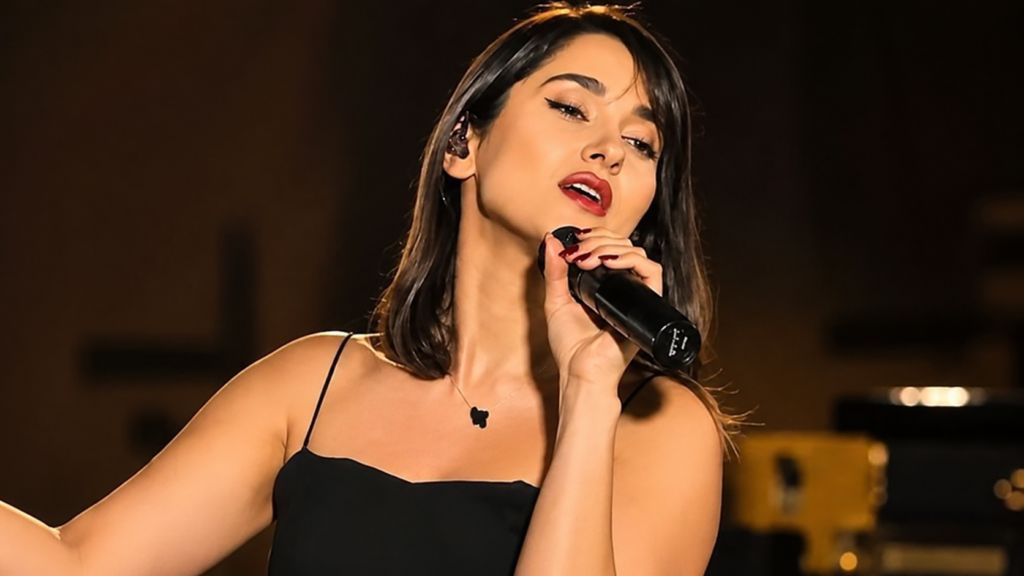
In December 2024, Iranian singer Parastu Ahmadi performed a patriotic song titled Az Khuneh Javanan-e Vatan during a YouTube live broadcast. During the performance, she appeared without wearing a hijab, a requirement under Iran’s mandatory dress code for women in public and broadcast appearances. The video rapidly circulated on social media platforms and attracted widespread attention, eventually going viral.
However, Iranian judicial authorities later classified the content as “obscene”, initiating legal proceedings against the 29-year-old artist and several members of her accompanying team. Following the publication of the performance, Ahmadi and a number of her associates were briefly detained by Iranian authorities. Although they were subsequently released, the case proceeded through the courts, culminating in a recent verdict issued by a court in Qom province.
According to the ruling, Ahmadi and eight members of her group have been sentenced to receive 74 lashes each. In addition, the singer has been handed a two-year ban on artistic activities and a prohibition on leaving the country. The court justified the penalties by citing allegations of “immoral and obscene content”.
The case has drawn significant international criticism, with human rights organisations and cultural commentators arguing that the ruling reflects a broader pattern of restrictions on artistic expression in Iran. Reporting by The Guardian highlighted that critics view the judgment as part of a long-standing approach by Iranian authorities towards performers perceived as challenging state cultural and social norms.
Legal experts affiliated with Iranian activist support groups, including the organisation Dadban, have questioned the legal foundation of the verdict. Human rights lawyer Moein Khazaeili stated that Iranian law does not explicitly criminalise women singing or performing music in this context, and argued that classifying such performances as “obscene content” represents a misapplication of existing legislation.
Similarly, advocacy groups such as the Center for Human Rights in Iran have condemned the severity of the punishment. Its advocacy director, Bahar Ghandehari, described the sentence as “deeply alarming”, emphasising that corporal punishment for artistic performance raises serious concerns about freedom of expression and human rights conditions in the country.
The case has also prompted reactions from several public figures, including Iranian-British actress Nazanin Boniadi and exiled Iranian performer Setareh Maleki, both of whom have publicly criticised the verdict and expressed solidarity with the singer.
Case Summary
| Aspect | Details |
|---|---|
| Incident | YouTube live performance of patriotic song without hijab |
| Date | December 2024 |
| Artist | Parastu Ahmadi (29) |
| Location of ruling | Qom province court, Iran |
| Charges | “Obscene and immoral content” |
| Sentence | 74 lashes for Ahmadi and 8 associates |
| Additional penalties | 2-year performance ban and travel ban for Ahmadi |
| Legal representation | Iranian activist legal groups including Dadban |
The case continues to attract international attention, highlighting ongoing tensions between cultural expression and legal restrictions in Iran.