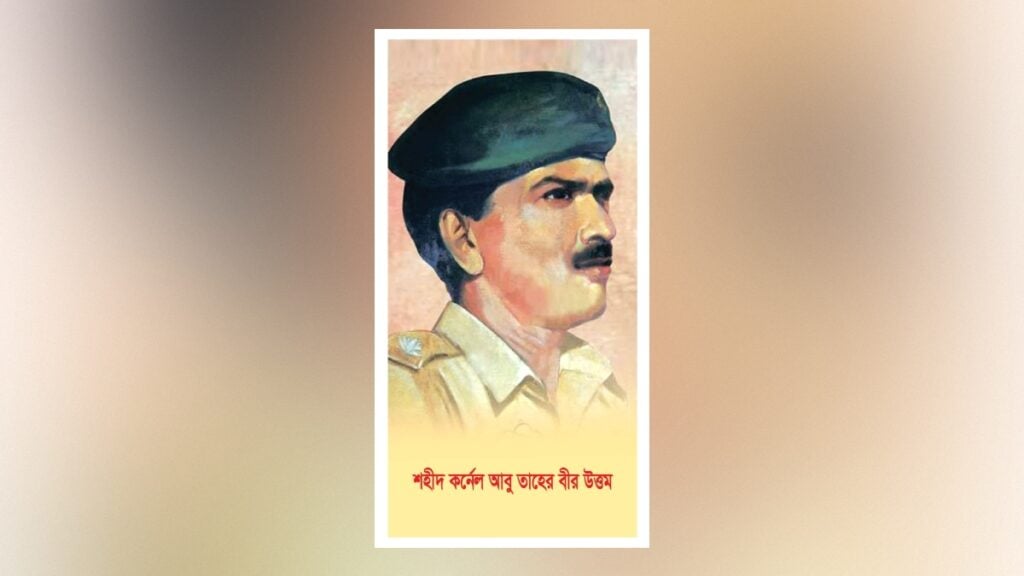
As part of the central programme, JASAD will hold a tribute ceremony at 4pm at the Shaheed Colonel Taher Auditorium, in front of the General Post Office (GPO) in Dhaka. Party leaders and activists will place floral wreaths at the portrait of Colonel Abu Taher before taking part in a discussion on the historical significance of the uprising and its place in Bangladesh’s political history.
The party’s district and upazila committees will also observe the day through similar programmes across the country, following the arrangements made by the central leadership.
In a statement issued on 6 November 2026, JASAD’s Central Executive Committee described the 1975 uprising as an organised revolutionary initiative by ordinary soldiers. According to the party, the movement sought to bring an end to disorder among power-hungry military officers and transform what it characterised as a discriminatory and oppressive state structure inherited from the colonial era.
The statement said the historic uprising was led by Colonel Abu Taher Bir Uttam, a sector commander during the Liberation War and a JASAD leader, alongside members of the Revolutionary Soldiers’ Organisation. It maintained that JASAD stood firmly beside the soldiers during a critical period in the country’s history.
According to the party, its political intervention played a significant role in preventing further confrontation within the military. It claimed that the struggle for power among ambitious military officers had created widespread disorder, violence and bloodshed, threatening the lives of numerous officers and soldiers. JASAD said its role helped bring an end to the turmoil and save many lives.
The statement also expressed strong criticism of the developments that followed the uprising. JASAD alleged that the ideals of 7 November were betrayed and that the discriminatory state structure inherited from the colonial period was retained rather than transformed.
It particularly condemned the trial and execution of Colonel Abu Taher, describing the military tribunal proceedings as illegal and politically motivated. The party alleged that Taher was convicted through a farcical trial based on false charges and subsequently hanged.
JASAD also referred to the punishment and imprisonment of several of its prominent leaders and members of the Revolutionary Soldiers’ Organisation. Those named in the statement included party founder Sirajul Alam Khan, then president Major M A Jalil, general secretary A S M Abdur Rab, and party leaders Hasanul Haq Inu and Robiul Alam. Major Ziauddin, Sergeant Yusuf and Colonel Taher were also mentioned in connection with the party’s account of the post-uprising crackdown.
Describing these developments as examples of betrayal in Bangladesh’s political history, JASAD said the treatment of the uprising’s leaders and supporters represented a departure from the movement’s original objectives.
The events of 7 November 1975 remain a significant and politically contested chapter in Bangladesh’s history. The uprising took place amid a period of intense political and military instability following the assassination of President Sheikh Mujibur Rahman on 15 August 1975 and subsequent changes in military leadership. Different political groups have since offered contrasting interpretations of the events, their leadership and their long-term consequences.
For JASAD, however, the day remains closely associated with the revolutionary ideals of Colonel Abu Taher and the political aspirations it says inspired the uprising.
In its statement, the party said the teachings of martyred Colonel Abu Taher, the spirit of revolution and the lessons of the Sepoy-Janata Uprising would continue to inspire revolutionary politics for generations. Through its nationwide commemorative programmes, JASAD aims to reaffirm its interpretation of the historic movement and honour those associated with it.