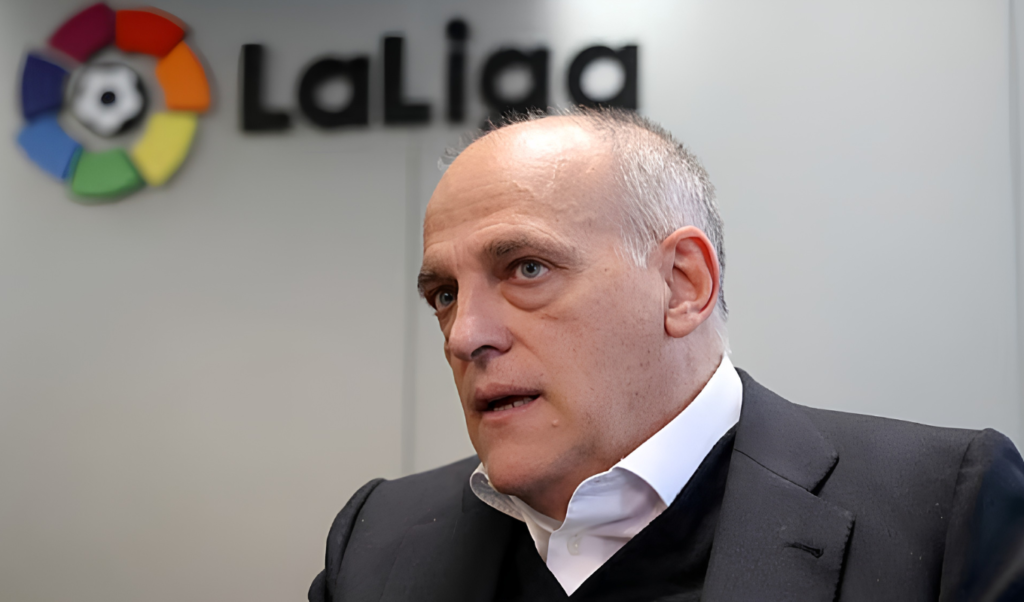
Fédération Internationale de Football Association has sparked intense debate across the sporting world following preliminary discussions regarding a potential expansion of the World Cup to 64 nations for its centenary tournament in 2030. The ambitious proposal, which would drastically alter the landscape of international football, has met fierce resistance from top European football executives. Most notably, Javier Tebas, the outspoken president of Spain’s top division La Liga, has publicly condemned the governing body’s blueprint, labeling the prospect of a 64-team tournament as fundamentally irresponsible.
The 2030 World Cup is already set to be a historic occasion, with Spain, Portugal, and Morocco serving as primary co-hosts, accompanied by celebratory opening matches in South America to mark one hundred years since the inaugural tournament in Uruguay. However, the prospect of doubling the traditional 32-team format has escalated tensions between domestic league administrators and international football governors.
In an incisive interview with the prominent Italian sports daily La Gazzetta dello Sport, Tebas expressed profound frustration over the direction in which FIFA President Gianni Infantino is steering the global game. Sharply criticizing Infantino’s decade-long stewardship, the La Liga chief highlighted systemic flaws within the current administrative framework, suggesting that the current leadership approach is reaching a point of fatigue. He noted that while Infantino has held the reins of global football for ten years, the underlying structure maintaining his power suffers from structural deficiencies, signaling that the current FIFA era may be drawing toward its conclusion.
Tebas grounded his objections in the tangible economic and physical consequences that an expanded international calendar imposes on domestic football ecosystems. He emphasized that the global football industry relies overwhelmingly on year-round domestic competitions, which generate billions in revenue and sustain employment for millions of people worldwide. A bloated 40-day international tournament, he argued, risks destabilizing this broader financial foundation for the benefit of an elite minority of international players.
The controversy comes at a time when top-flight players and managers are increasingly vocal about fixture congestion, player fatigue, and injury risks caused by expanding schedules. With FIFA already expanding the 2026 World Cup in North America to 48 teams, any further enlargement for 2030 threatens to push the professional football calendar to a breaking point. Tebas’s sharp response underscores a growing rift between European league authorities and global administrators over the future balance of club and country football.