Residents of several areas in Dhaka’s Mohammadpur have been living without piped gas for nearly three months, forcing households to rely on costly and less convenient alternatives for cooking. Mohammadia Housing, Nobodoy Housing, Adabor and Dhaka Udyan are among the areas where gas supplies have reportedly remained disrupted for an extended period.
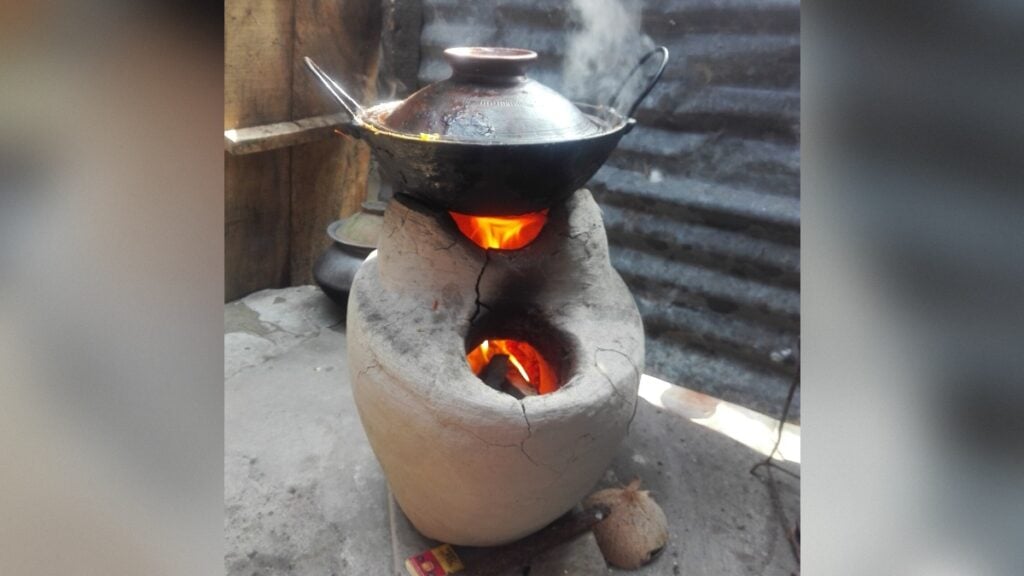
The prolonged shortage has created significant difficulties for families, particularly those from lower-middle-income and poorer households. While some residents have switched to LPG cylinders or electric stoves, many struggling families cannot easily absorb the additional expense. As a result, some have resorted to traditional wood-burning stoves to prepare their meals.
Residents say the problem has gone beyond an ordinary, temporary gas shortage. They have questioned the management and maintenance of the gas distribution system and accused Titas Gas of failing to take effective measures to resolve the situation.
The disruption has also created frustration because households continue to receive gas bills despite being unable to use piped gas normally. Residents argue that they are effectively paying twice: once through their regular gas bills and again for alternative cooking fuels. For families already under financial pressure, the additional cost has become a serious burden.
The impact is not limited to tenants. House owners in several parts of Mohammadpur say the absence of a reliable gas supply is making it difficult to attract new tenants. Some prospective renters are reportedly reluctant to move into properties where cooking facilities depend entirely on LPG cylinders, electric stoves or other alternatives.
Local residents have also raised concerns about possible technical problems in the distribution network. They claim that leaks and water accumulating inside gas pipelines may have aggravated the disruption. According to them, such problems require regular inspection, maintenance and timely intervention by the responsible authority.
Shafiqul Islam, general secretary of the Nobodoy Housing Society in Mohammadpur, said there was water inside the gas lines and questioned why the relevant authority had not taken steps to clear it. He alleged that adequate attention had not been given to resolving the problem and that effective action was still lacking.
Titas Gas authorities, however, have attributed the disruption primarily to insufficient gas supply. Nazibul Islam, deputy general manager of Titas Gas’s Sobhanbagh office, said the problem was caused by a shortage in supply and that sufficient gas was not available to maintain normal pressure.
The conflicting explanations have left residents seeking a clear and lasting solution. While local people point to pipeline-related problems and inadequate maintenance, the gas authority says the main issue is insufficient supply and low pressure.
For households, however, the immediate concern remains the same: how long they will have to continue cooking without piped gas. The longer the disruption continues, the greater the financial and practical burden becomes, particularly for families unable to afford regular LPG purchases.
The situation also reflects wider concerns over gas availability in different parts of Dhaka. Disruptions in gas supply can affect not only households but also commercial establishments, industrial operations and transport-related activities, creating knock-on effects for everyday life and economic activity.
Mohammadpur residents are now calling for the authorities to identify the precise causes of the prolonged disruption and take concrete steps to restore regular supply. They also want the issue of gas billing during periods of prolonged non-supply to be addressed.
After nearly three months of disruption, residents say they need more than temporary assurances. They want reliable gas service restored and the underlying problems in the distribution system dealt with so that the same crisis does not continue or recur.