Sunday, 5th April 2026

Khabor Wala Desk
Published: 13th January 2026, 7:11 AM
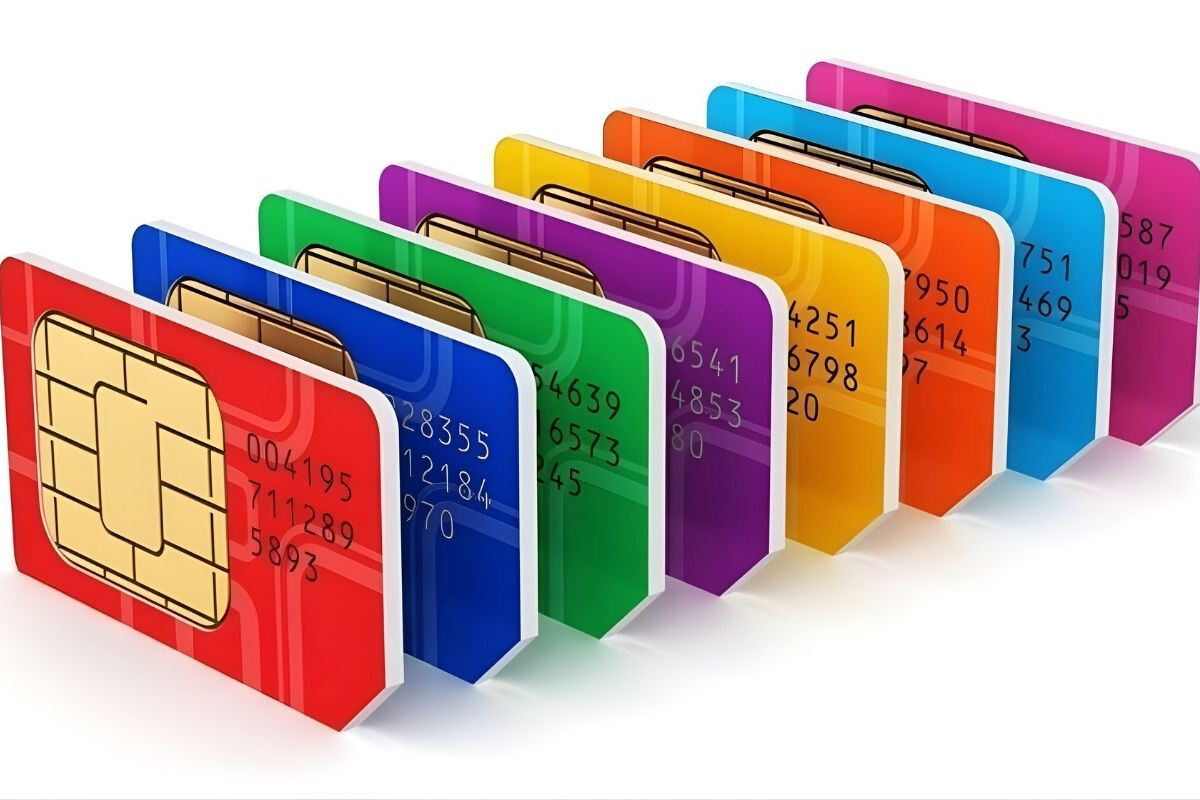
The Bangladesh Telecommunication Regulatory Commission (BTRC) has deactivated more than 8.8 million SIM cards across the country as part of an ongoing effort to enhance law enforcement, combat cybercrime, and ensure personal security. In addition, over one million SIMs remain temporarily suspended due to ongoing legal proceedings. These actions have significantly affected mobile phone and mobile internet usage nationwide.
According to BTRC officials, the initiative began last year in response to a rising wave of cybercrime and security concerns. Under directives from the Ministry of Posts, Telecommunications, and Information Technology, the BTRC initially instructed mobile operators to deactivate all SIMs exceeding ten per individual, a measure that came into effect in November. Brigadier General S.M. Moniruzzaman, Director General of BTRC’s Systems and Services Division, confirmed that approximately 8.9 million excess SIMs were identified, of which over 8.8 million have been deactivated. The remaining one million are tied to ongoing legal cases and VIP allocations, but are expected to be deactivated soon.
The government has also recommended a further reduction of SIM cards per user from ten to five. However, given public discontent and the approaching general elections, this policy will be implemented only after the polls to avoid potential disruptions.
The SIM reduction, combined with the implementation of the National Equipment Identity Register (NEIR), has contributed to a noticeable decline in mobile and mobile internet users over the past six months.
| Metric | July 2024 | July 2025 | November 2025 |
|---|---|---|---|
| Total Mobile Users | 194.2 million | 188.7 million | 187.0 million |
| Mobile Internet Users | 127.5 million | 121.5 million | 115.2 million |
| Broadband Internet Users | 13.5 million | 14.6 million | 14.6 million |
Experts attribute the decline to multiple factors: regulatory restrictions, the reduction in SIM availability, rising mobile internet costs, and a shift toward broadband services. Technology analyst Suman Ahmed Sabir explained that as users migrate to broadband services, mobile usage naturally declines. He also noted that post-pandemic patterns, including limited financial capacity and lifestyle adjustments, have contributed to the drop in both mobile and internet subscriptions.
Brigadier General Moniruzzaman emphasised that while reducing SIM cards to ten per user has minimal market impact, further lowering the limit to five could significantly affect revenue and mobile service usage. Authorities plan to carefully monitor the situation and implement measures gradually to mitigate adverse effects.



Comments