Sunday, 5th April 2026

Khabor Wala Desk
Published: 20th October 2025, 8:04 AM
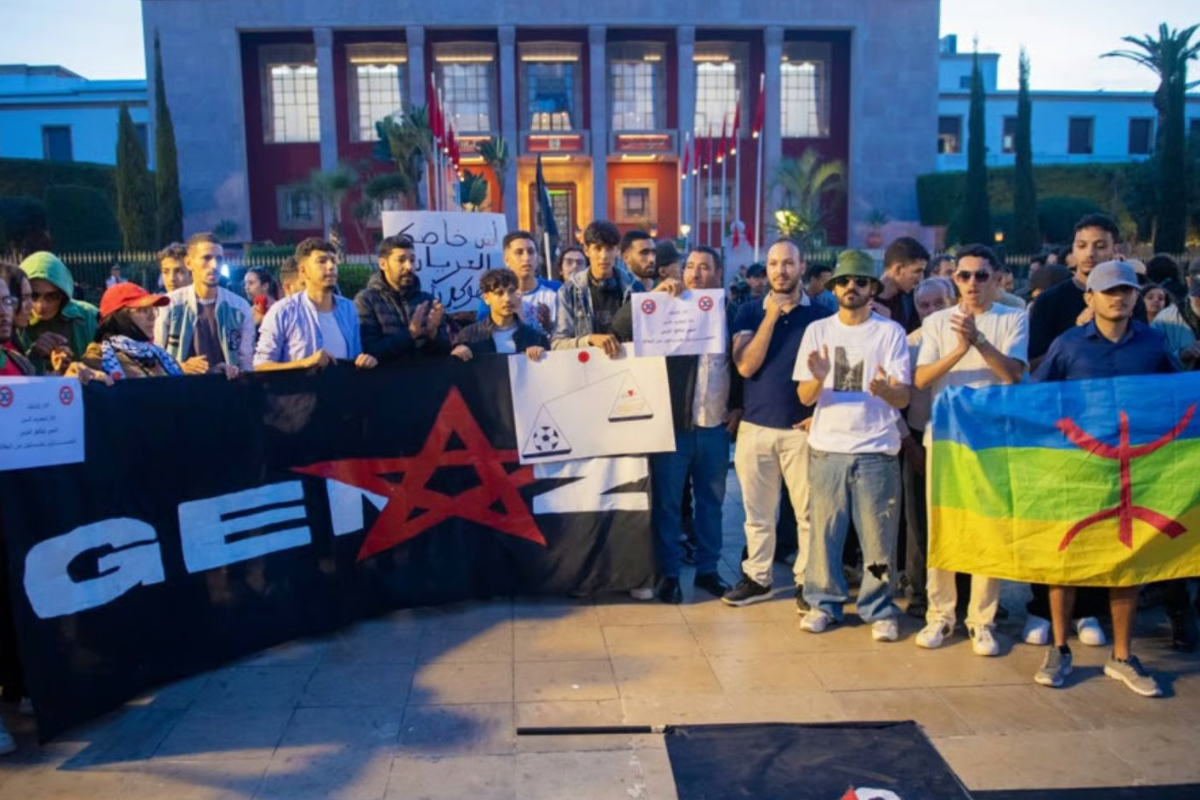
The Moroccan government unveiled a comprehensive package of social and political reform measures on Sunday, pledging to enhance public services and boost youth engagement in governance following a wave of youth-driven protests across the country.
According to state news agency MAP, the reforms form part of a 2026 draft finance bill focused on improving education, healthcare, and political participation, in response to demands voiced by demonstrators calling for fairer governance and greater transparency.
The proposed initiatives aim to modernise Morocco’s political landscape while addressing long-standing social inequalities and regional disparities.
| Reform Area | Proposed Measures | Objectives |
| Education & Healthcare | Major investment in public education and hospital systems | Improve service quality and accessibility |
| Youth Participation | Invite citizens under 35 to enter politics; offer up to 75% campaign financing support | Encourage young candidates and fresh leadership |
| Political Party Reform | Strengthen internal democracy, increase transparency, and promote women and youth inclusion | Reinforce credibility of political institutions |
| Social Spending | Allocate nearly $13 million to health and education sectors in 2026 | Address inequalities and support public welfare |
“These reforms are part of a broader strategy to strengthen partisan activity so that it can adapt to the profound societal changes Morocco is experiencing,”
— Royal Cabinet statement, via MAP
The government’s reform push follows nationwide youth protests that began late last month after the deaths of eight pregnant women at a hospital in Agadir, an incident that sparked outrage and renewed debate over public service quality.
The online movement “GenZ 212” quickly mobilised thousands of young Moroccans, expanding its demands to call for government reform, anti-corruption measures, and improved public accountability.
“There is no place for a Morocco moving at two speeds,”
— King Mohammed VI, Royal Address, July 2025
In his July speech, King Mohammed VI urged the government to adopt sweeping social reforms before the end of the year, warning that deepening inequality between urban and rural areas risked undermining national cohesion.
To meet these expectations, the government has pledged to prioritise social spending in its upcoming budget, directing nearly $13 million to education and healthcare, while creating over 27,000 new jobs in those sectors.
| Development Initiative | Details |
| Health Sector | Construction of new university hospitals, including in Western Sahara; renovation of 90 existing hospitals |
| Education Sector | Expansion of pre-school education, financial support for students, and improvement in teaching standards |
| Employment Creation | 27,000 new positions in health and education sectors by 2026 |
| Budget Growth (2021–2025) | +65% increase in health and education funding |
| Poverty Reduction | National poverty rate declined from 11.9% (2014) to 6.8% (2024) |
During an address to parliament on 10 October, King Mohammed VI urged lawmakers to focus on Morocco’s most disadvantaged regions, particularly in rural and mountainous areas, which remain severely underdeveloped.
Prime Minister Aziz Akhannouch reiterated that the government’s renewed focus on education, health, and social equity reflects both the King’s directives and public expectations. He emphasised that the reforms aim to restore public trust while ensuring long-term political stability.
While social unrest has posed a rare challenge to Morocco’s otherwise stable political order, the government insists that inclusive governance and economic opportunity will form the backbone of its national renewal.
The reform agenda — combining economic modernisation, youth empowerment, and political reform — marks one of the country’s most ambitious social strategies in years, as Morocco seeks to bridge its internal divides and reaffirm its path toward equitable development.

Comments