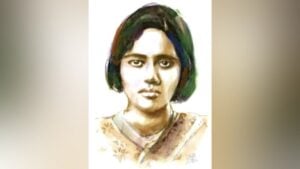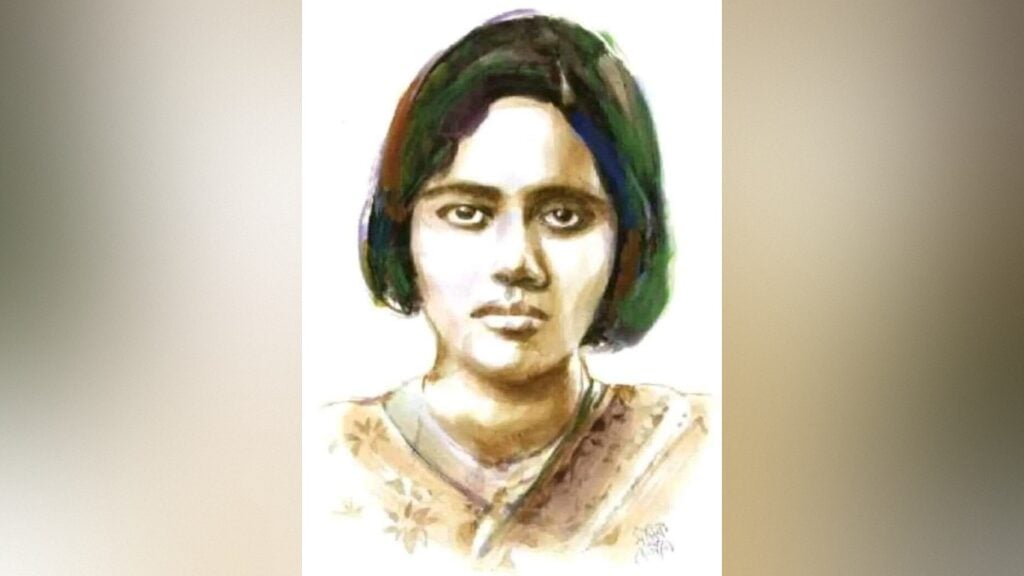
Pritilata Waddedar: The Revolutionary Heroine of the Fiery Era
Today is 23 September. On this day in 1932, at the age of just 21, Pritilata Waddedar made the ultimate sacrifice—an unforgettable heroine in the history of Bengal’s liberation struggle.
During the anti-British colonial resistance, active female participation in armed revolutionary movements was exceptionally rare. In those challenging times, Pritilata not only joined revolutionary operations but also stood shoulder to shoulder with her male comrades, fully prepared to lay down her life for the nation.
Born in Chittagong in 1911, Pritilata was an exceptionally brilliant student. After graduating with distinction from Dr Khastagir Girls’ High School in Chittagong, she pursued her higher secondary studies at Eden College in Dhaka. In 1929, she earned top honors under the Dhaka Board in her Intermediate exams. She later went on to graduate with a degree in Philosophy from Bethune College, Kolkata.
Even during her student years, a deep sense of patriotism and resistance against colonial rule began to take root in her. By associating with women’s organisations and underground revolutionary groups, she gradually stepped onto the path of the broader liberation movement. Upon returning to Chittagong, she assumed the role of Headmistress at Nandankanan Aparnacharan School. However, the security of a teaching career could not hold her back; the yearning for national freedom drew her toward the formidable path of revolution.
She subsequently joined the revolutionary organization led by Surya Sen (Masterda). Historical records document her involvement in various revolutionary activities, including plans to destroy telephone and telegraph offices, as well as the Battle of Jalalabad. Eventually, under intense police surveillance and facing imminent arrest, she went underground.
The Attack on Pahartali European Club
On the night of 23 September 1932, under the direction of Surya Sen, Pritilata was entrusted with leading the attack on the Pahartali European Club in Chittagong. The club stood as a symbol of colonial racism, notorious for its discriminatory sign: “Dogs and Indians not allowed”.
Dressed in male attire, Pritilata led her revolutionary unit in storming the European Club. Following the attack, British forces launched a fierce counter-offensive, creating a critical situation. Pritilata was wounded by gunfire and cornered by British forces. To prevent her arrest and avoid compromising confidential details about her fellow revolutionaries, she consumed potassium cyanide she carried with her, choosing self-sacrifice over capture.
At just 21 years old, she surrendered a future full of promise to embrace death in pursuit of a free nation. Her supreme sacrifice sent shockwaves through the revolutionary movement of the era and inspired generations of freedom fighters to come.
Pritilata’s life serves as a timeless reminder that the desire for freedom is bound by neither gender, class, nor age. She remains a shining example of the courage, sacrifice, and resolve a young woman can display when driven by the vision of a liberated homeland.
She was not merely a female revolutionary; she stood as a radiant symbol of Bengali resistance against colonial tyranny.
On this anniversary of her martyrdom, we remember this courageous heroine of the fiery era with profound respect.
Revolutionary Heroine Pritilata Waddedar—
Your sacrifice will forever remain immortal in the history of Bengali independence.
Humble Respect.
Red Salute.