Published: 25 Feb 2026, 06:23 am
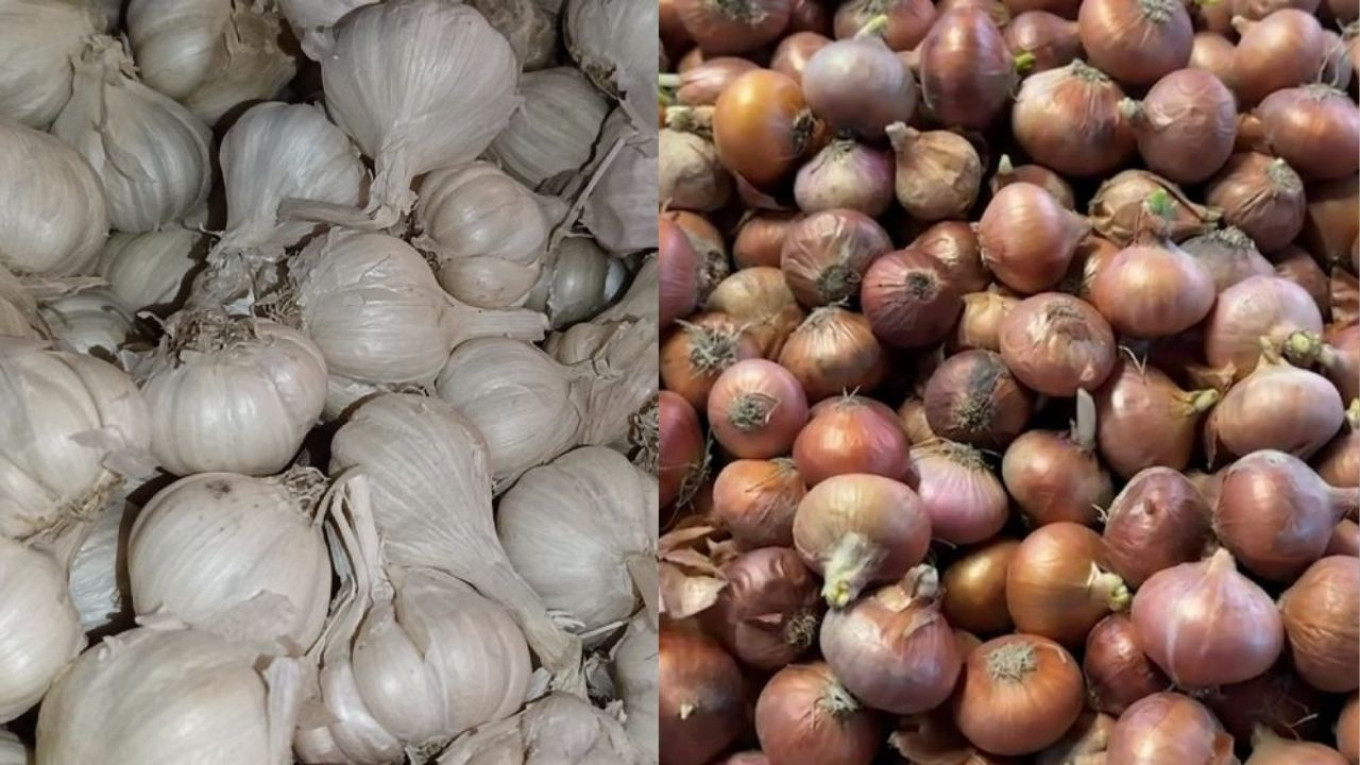
In a welcome relief for consumers ahead of the festive season, the prices of indigenous onions and garlic have witnessed a significant downturn in the Hili market of Dinajpur. Within a mere three-day window, increased supplies from various wholesale trading hubs (mokams) have driven costs down, offering much-needed respite to the public during the holy month of Ramadan.
A survey of the Hili vegetable market conducted on Tuesday afternoon, 24 February, revealed a sharp decline in the cost of essential kitchen staples. Local onions, which were retailing at 45 BDT per kilogramme last week, have seen a reduction of 15 BDT, bringing the current price to approximately 30 BDT.
Similarly, the price of indigenous garlic has plummeted from 100–120 BDT to just 70 BDT per kilogramme. While these staples have become more affordable, other items like ginger remain stable, hovering between 110 BDT and 120 BDT.
| Commodity | Previous Price (per kg) | Current Price (per kg) | Change |
|---|---|---|---|
| Local Onion | 45 BDT | 28 – 30 BDT | ▼ 15 BDT |
| Local Garlic | 100 – 120 BDT | 60 – 70 BDT | ▼ 40 – 50 BDT |
| Ginger | 110 – 120 BDT | 110 – 120 BDT | No Change |
| Potato | Variable | Downward Trend | Slight Decrease |
Rafiqul, a regular shopper at the Hili market, attributed the price drop to consistent market monitoring by the authorities. "Last week, onions were a burden on the pocket, but seeing them at 30 BDT today is a relief," he noted. "If the administration keeps the market under control throughout Ramadan, it will greatly benefit common buyers."
However, the sentiment amongst vendors is somewhat mixed. Raihan Kabir, a local trader, explained that while high supply at the wholesale level has lowered prices, footfall in the market remains unexpectedly low. He further suggested that the administration should focus their "mobile court" raids on large-scale wholesale hubs rather than retail shops to tackle the root of artificial price hikes.
Ashok Bikram Chakma, the Upazila Nirbahi Officer (UNO) of Hakimpur, reaffirmed the government’s commitment to preventing price manipulation. He stated that the local administration is actively working on the ground to ensure that unscrupulous traders do not create artificial crises through hoarding.
"We have already conducted several raids and imposed fines on non-compliant shops," the UNO remarked. "To protect the public interest, our surveillance will remain rigorous throughout the month of Ramadan."

> Martinez: Ronaldo Is Greatest Ever Regardless of World Cup
> Bangladesh Foreign Exchange Reserves Surge Past $35 Billion
> Aespa and Anderson .Paak Unite for ‘Keychain’
> Non-Life Insurers Mandate ‘Zero Commission’ Pledges for Managers
> Bangladesh Drawn Against Titans for T20 World Cup
> Cache of Live Ammunition Discovered in Nagar River
> Manjurul Alam Panna Demands Discrediting of Dr Yunus
> International Direct Bus Service Resumes Across Triple-Border Route
> "I Did Not Seek This Office," Says Foreign Minister
> Bangladesh Ready for South Africa Tour; Full Schedule Here
> Retention in Health Insurance: Tangible Benefits or Trust?
> Argentine Football in Turmoil, Clubs Call Strike
> Prosecutor Alleges Corruption Against Chief Prosecutor
> Four family members injured in gas cylinder explosion in Comilla
> Sheikh Hasina Named First Accused Pilkhana Case
> Family Card Scheme: Recipients to Receive Monthly Allowance


In a significant milestone for the nation’s recovering economy, Bangladesh’s gross foreign exchange...

In a decisive move to sanitise the domestic insurance sector, the Bangladesh Insurance Association (...

Amidst the high-octane drama of the ongoing Men’s T20 World Cup, the International Cricket Council (...

In a startling turn of events in the Singra Upazila of Natore, two young children inadvertently disc...
In a striking escalation of political rhetoric, prominent journalist and commentator Manjurul Alam P...
In a significant diplomatic and logistical breakthrough, the direct international bus service linkin...
The Border Guard Bangladesh (BGB) have apprehended three members of the Arakan Army (AA), a prominen...
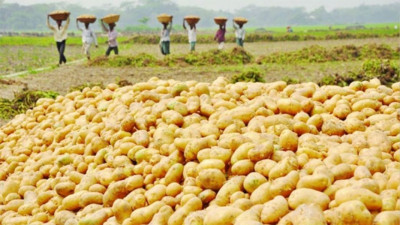
While the fields of Thakurgaon have yielded a "bumper" harvest this season, the agricultural abundan...
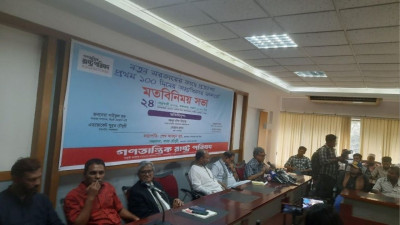
In a scathing critique of Bangladesh’s diplomatic history and recent administrative decisions, Bazlu...
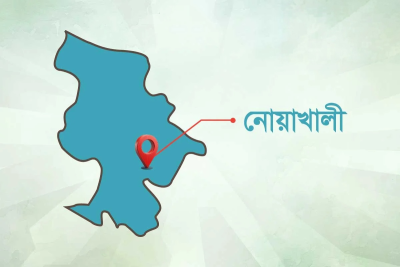
A local community in Noakhali has been plunged into grief and anger following the tragic death of a...

The landscape of Bangladeshi cricket administration is undergoing a significant reshuffle as the Ban...

The celebrated Bangladeshi actress Mehazabien Chowdhury has broken her silence following a wave of c...


Availabe for iphone & ipads

Available in google play
 বাংলা
বাংলা