Published: 08 Jul 2025, 09:11 pm
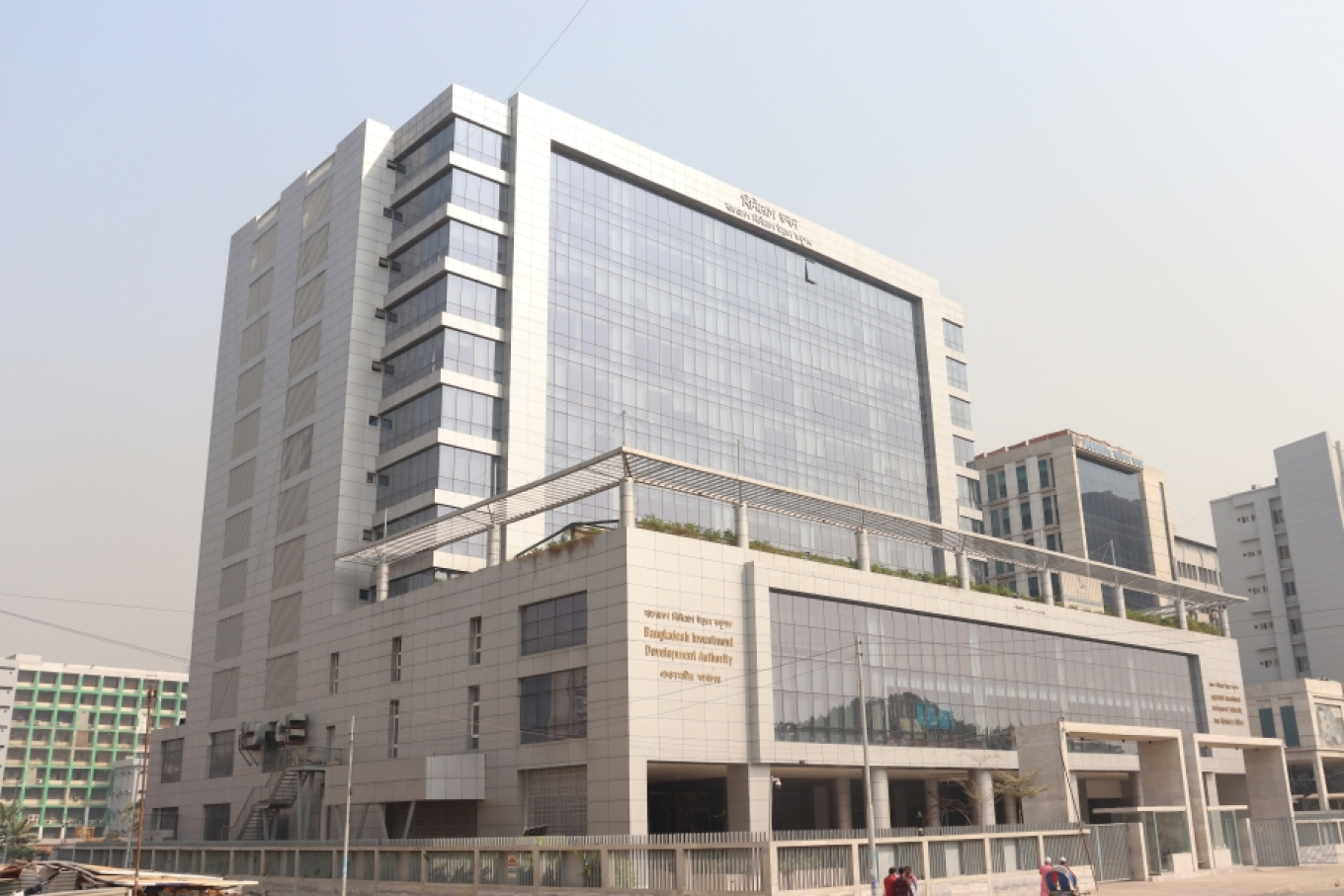
Despite flashy presentations and international-style investment conferences, Bangladesh is witnessing a dramatic decline in foreign direct investment (FDI), hitting its lowest point in 14 years. Economic stagnation, rising unemployment, and the closure of export-oriented industries are being attributed to political unrest, mob violence, deteriorating law and order, and the perceived inexperience and apathy of the interim government.
In April, the Bangladesh Investment Development Authority (BIDA) hosted what it billed as a “global standard” investment summit, complete with elaborate branding and bold promises. Executive Chairman Ashiq Chowdhury spoke of multi-billion-dollar prospects, participation from international media, diplomats, private sector stakeholders, and political partners. He even proudly shared a link to his fluent English presentation across social media platforms.
However, the reality on the ground told a different story. A closer look revealed that many so-called "foreign" attendees were actually Bangladeshi nationals posing as international investors. For the few genuine foreign participants, no concrete proof of investment capacity was ever presented. The summit quickly became the subject of ridicule across social media, exposing a gap between rhetoric and reality.
According to data from Bangladesh Bank, FDI during July 2024 to April 2025 stood at a mere USD 910 million—down nearly 28% from the same period the previous year. Even during the COVID-19 pandemic (2020–21), FDI reached USD 1.32 billion. In 2018–19, it stood at a healthy USD 3.48 billion.
The sharp decline in FDI has been attributed to several factors:
Political uncertainty and violence
Absence of long-term, investor-friendly policies
Import restrictions and a dollar liquidity crisis
Breakdown of law and order and mob-led intimidation
Rising insecurity in the business environment
Following the political power shift in August 2024, the situation has worsened. Manufacturing firms have lost major export orders, and large corporate groups are reeling from millions of dollars in lost contracts.
Economists and business leaders are unanimous: well-crafted PowerPoint presentations and extravagant summits are no substitute for political stability, a democratically elected government, and coherent long-term policy frameworks. Only with these fundamentals in place can Bangladesh hope to restore investor confidence and revive its business climate. Simply saying “Insha’Allah, things will get better” is no longer enough.

> Primary Schools Face Acute Leadership Shortfall
> Fire at Sitakunda Farm Claims 23 Livestock
> Argentina’s Win Conceals Growing Concerns
> Measles Outbreak Strains Rajshahi Hospital Resources
> Dhoni Injury Hits Chennai Start
> Shariatpur July Memorial Set Ablaze by Chhatra League Member
> Insurance Leaders Accelerate AI Investment Amid Rising Cyber Risks and Skills Shortages
> Bangladesh Currency Exchange Rates Firm on 27 March
> Major Shake-Up Planned in 22 Banks
> Fraud Surge Threatens APAC Firms as Synthetic Identities Proliferate
> Oil Prices Ease After US Delay
> Chattogram Receives Major Fuel Shipment
> Bangladesh Arrive in Singapore Ahead of Final AFC Asian Cup Qualifier

The insurance sector witnessed a particularly active week from 23 to 27 March 2026, characterised by...

Recent incidents in Bangladesh’s insurance industry have revealed critical weaknesses, particularly...
Small and medium-sized depositors continue to be the cornerstone of Bangladesh’s banking sector, und...
Bangladesh is likely to face mounting pressure on its remittance inflows as ongoing conflict in the...

Businesses across the Asia-Pacific (APAC) region are facing mounting cyber and financial crime risks...

Chief executives across the global insurance sector are significantly increasing their commitment to...

LONDON — The Bank of England, through its Prudential Regulation Authority (PRA), has confirmed that...

Foreign exchange rates in Bangladesh remained a key reference point for importers, exporters, remitt...

A significant restructuring is reportedly on the horizon for Bangladesh’s banking sector, with autho...

Previously sealed banknotes bearing the portrait of Sheikh Mujibur Rahman have begun returning to ci...

JPMorgan Chase has reinforced its private banking presence in the Middle East with the appointment o...

Algorithmic Insurance Services, trading as LIRG, has announced a significant reinsurance commitment...


Availabe for iphone & ipads

Available in google play
 বাংলা
বাংলা