Wednesday, 22nd July 2026

Khabor Wala Desk
Published: 27th May 2025, 11:15 PM
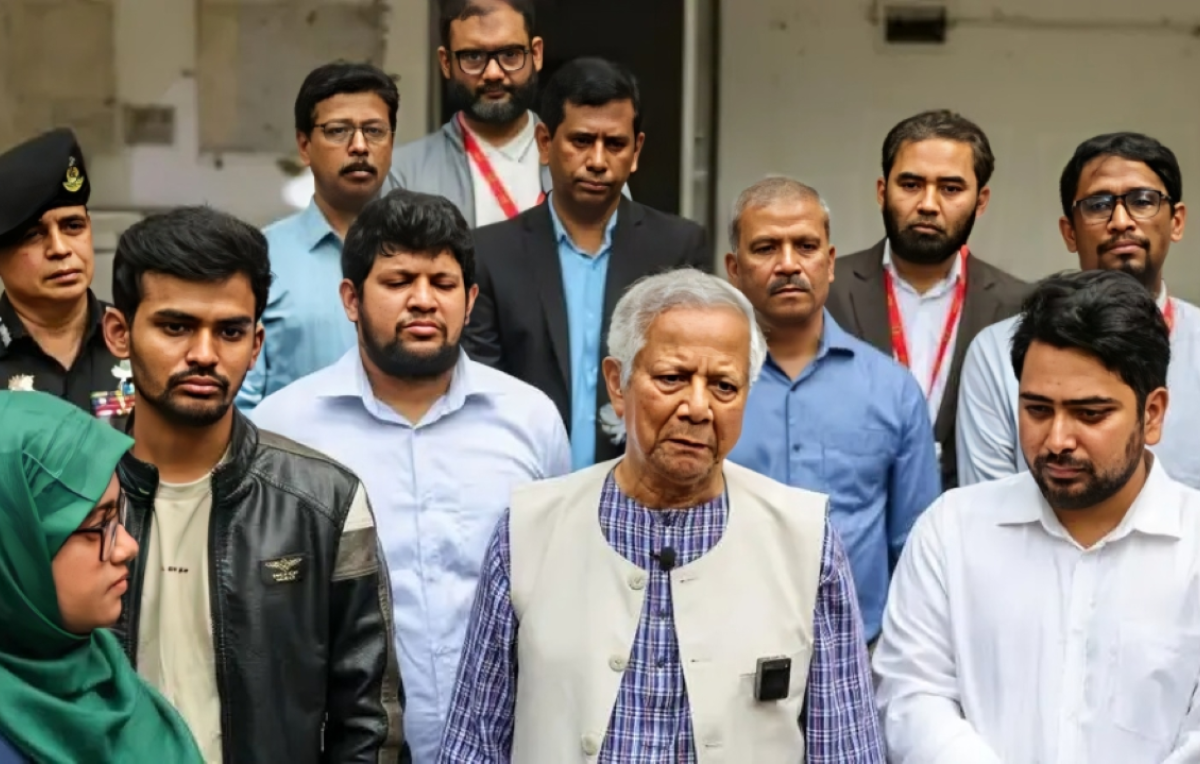
Despite initial promises to refrain from initiating new megaprojects, Bangladesh’s interim government has recently approved several large-scale infrastructure projects. These developments raise questions about the government’s fiscal discipline and long-term planning.
Key Megaprojects Approved by the Interim Government
| Project Name | Estimated Cost (BDT) | Funding Sources | Description |
| Bay Terminal Marine Infrastructure Development | 13,525 crore | World Bank loan of $650 million; remainder from government funds | Construction of a modern terminal in Chattogram, including a 6-km climate-resilient breakwater, to accommodate larger vessels and reduce turnaround time. |
| Bhola-Barishal Bridge | 17,466 crore | Public-Private Partnership (PPP); discussions with Japanese and Korean investors | Proposed 11-km bridge to connect Bhola and Barishal, aiming to be the country’s longest bridge. |
| Kalurghat Rail-Cum-Road Bridge | 11,560 crore | Government of Bangladesh and South Korean loan | Construction of a dual-gauge, double-lane bridge over the Karnaphuli River, expected to be completed by 2030. |
| Mongla Port Expansion | 4,068 crore | 475.33 crore from government; 3,592.90 crore loan from China | Expansion of facilities at Mongla Port to enhance container handling capacity. |
Contradictions and Concerns
The interim government’s approval of these projects appears to contradict earlier statements made by officials, including Chief Adviser Dr. Muhammad Yunus and Planning Adviser Dr. Wahiduddin Mahmud, who emphasized the need to avoid large-scale projects due to fiscal constraints. Dr. Mahmud previously stated that the government would focus on smaller, high-priority projects instead of megaprojects.
Critics argue that the sudden shift towards approving megaprojects lacks transparency and may lead to further financial strain. Economist Debapriya Bhattacharya expressed concerns about the absence of clear policies and pre-assessment evaluations for these projects, suggesting that the interim government may be repeating past mistakes related to project mismanagement and financial misappropriation.
Financial Implications
The approval of these megaprojects comes at a time when Bangladesh is already facing significant financial challenges. According to a white paper published by the interim government, approximately 2.75 lakh crore BDT was wasted or misused in development projects during the previous administration. The Annual Development Programme (ADP) for the fiscal year 2025-26 has allocated 2.38 lakh crore BDT, with a substantial portion directed towards these new megaprojects.
Furthermore, the country’s foreign debt has doubled from $50 billion to $100 billion over the past three years, raising concerns about the sustainability of taking on additional large-scale projects funded by foreign loans.
While infrastructure development is crucial for Bangladesh’s growth, the interim government’s recent approval of several megaprojects raises questions about its commitment to fiscal responsibility and transparent governance. The lack of clear policies and assessments for these projects may lead to further financial burdens and repeat past mistakes. It is imperative for the government to ensure transparency, proper evaluation, and public consultation in undertaking such significant projects.




Comments