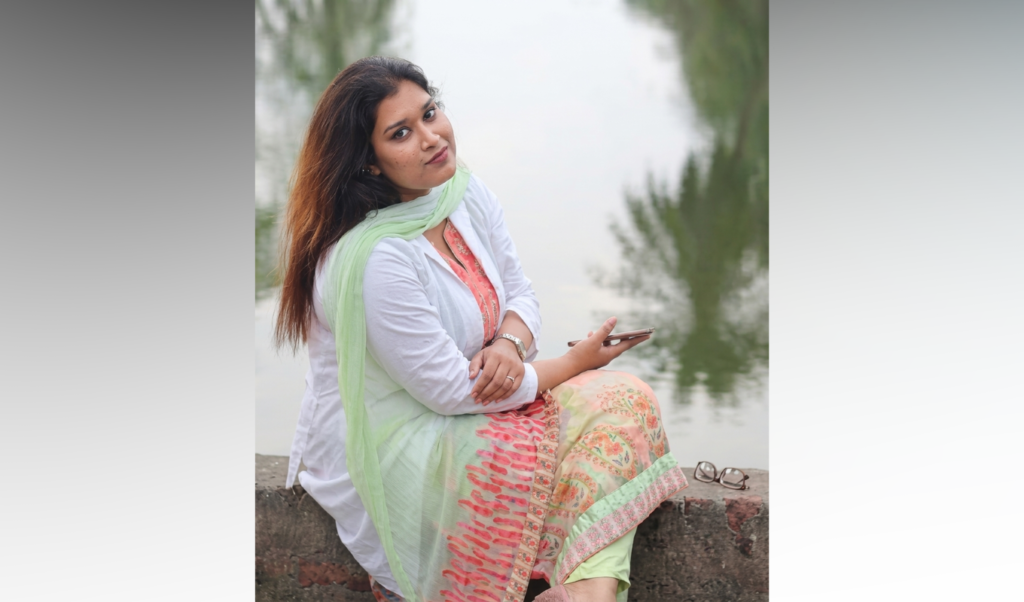
Throughout the sixteen-year tenure of the Awami League administration in Bangladesh, inner corridors of authority frequently fostered influential cliques. In the twilight years of the regime, several polarising figures emerged from the fringes to wield disproportionate sway over party machinery and state patronage. Among the most controversial of these actors was Mashtura Mosharraf Oishika, the former president of the Bangladesh Chhatra League (BCL) unit at Faridpur Medical College.
Despite operating nominally as a student wing leader, Oishika commanded extraordinary authority reaching into the very nucleus of party power. Her sphere of influence extended well beyond Faridpur to the northern districts of Rangpur and Dinajpur, her ancestral home. Insiders allege that party posts were routinely granted or revoked at her discretion, bypassing formal channels and party meritocracy. Central to her meteoric rise was her widely rumoured status as the “second wife” of Abdur Rahman, a senior Awami League presidium member and former government minister. Although no public records or official documents verify a legal marriage between them, the association served as substantial political leverage.
Discontent over Oishika’s arbitrary authority previously surfaced during internal disputes in Faridpur. Sojib Ahmed, a dedicated Chhatra League activist with twelve years of service, was summarily relieved of his duties following a confrontation with her. According to Sojib, the disagreement arose during a birthday celebration for Abdur Rahman, where he objected to the omission of two former central BCL leaders during speeches. He contended that his sudden expulsion without due process was entirely retaliatory. Oishika refuted the claim, asserting that the senior figures had been duly acknowledged and accusing Sojib of aggressive conduct. Faridpur District Chhatra League President Tamjidul Rashid Chowdhury acknowledged an altercation involving medical college personnel at the time, though he maintained he was unaware of a direct dispute involving Oishika.
Beyond student politics, local leaders in northern Bangladesh recount a pattern of systemic interference. Members of the Rangpur City Awami League convening committee allege that an invisible hand guided administrative selections across regional committees. A lucrative trade in party positions reportedly developed, wherein prospective candidates were evaluated on personal loyalty and financial capacity rather than political dedication. Grassroots organisers felt increasingly sidelined by this patronage network, which effectively monetised committee appointments using the presidium member’s political stature.
Following the collapse of the Awami League government on 5 August 2024, Oishika vanished from public life. Neither she nor Abdur Rahman has responded to the long-standing allegations.