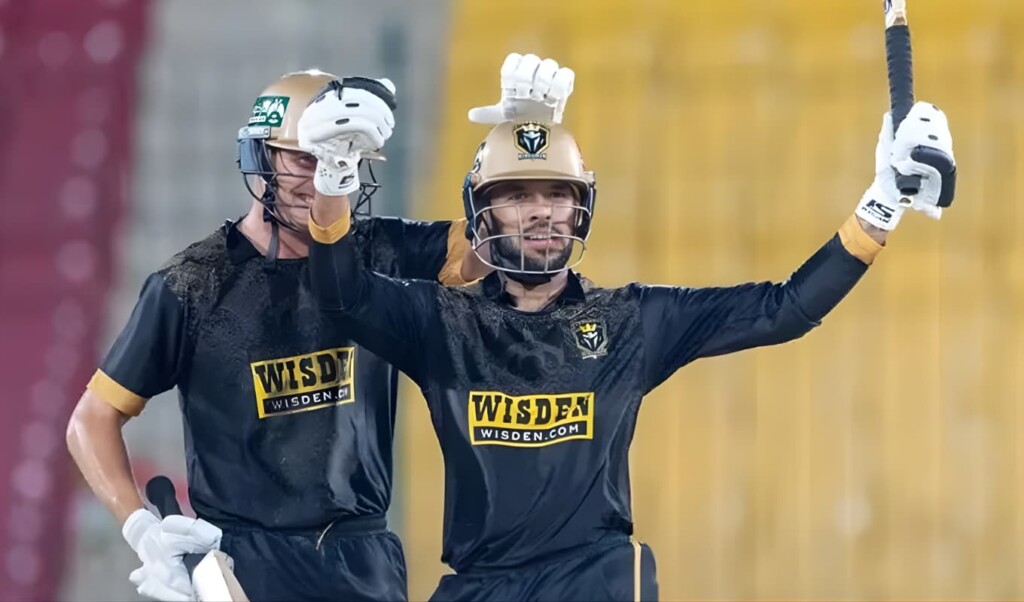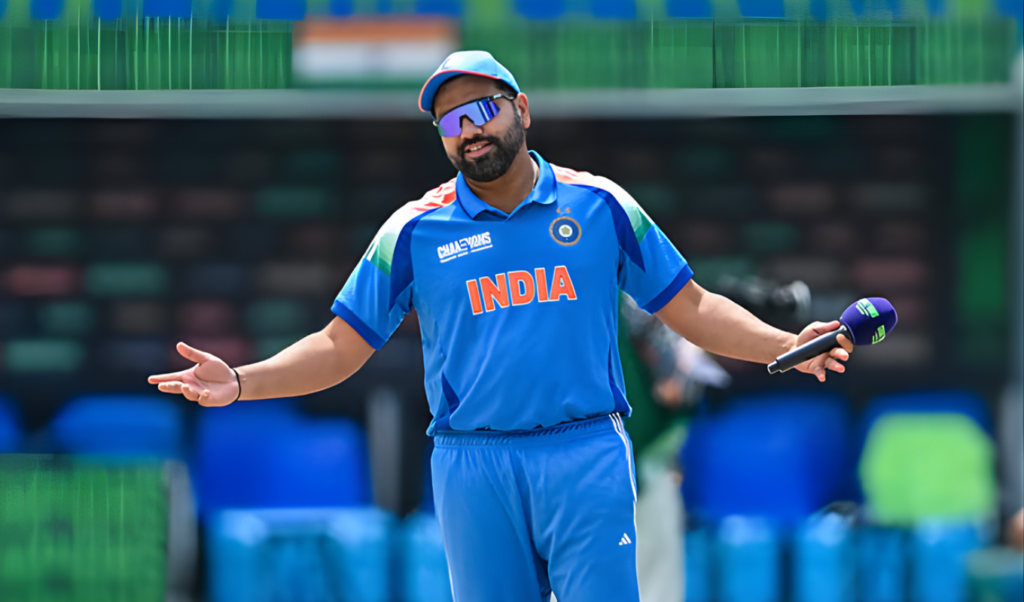
Rohit Sharma stands as one of the most decorated figures in Indian cricket history, having secured two ICC T20 World Cup titles—first as a young squad member in the inaugural 2007 edition and most recently as captain in 2024. However, a significant void remains in his trophy cabinet: a 50-over World Cup medal. While Sharma led India to the final of the 2023 ODI World Cup, his most notable absence occurred in 2011, when India won the tournament on home soil. Rohit was famously excluded from that squad, a decision that continues to be a subject of historical debate.
The Selectors’ Rationale: The “Half-All-Rounder” Theory
Krishnamachari Srikkanth, the former opening batsman who served as the Chief Selector during the 2011 World Cup, recently addressed this exclusion in an interview with The Week. Now 66, Srikkanth revealed that he personally apologised to Sharma last year for the decision made over a decade ago. He clarified that the omission was not a reflection of Sharma’s individual talent or form, but rather a strategic choice driven by a specific team composition philosophy.
According to Srikkanth, the selection committee was determined to replicate the “bits-and-pieces” player model that guided India to victory in the 1983 World Cup. The objective was to pack the side with “half-all-rounders”—players capable of contributing significantly with both bat and ball to ensure maximum tactical flexibility.
“I feel bad for him. I told Rohit last year, ‘I am sorry, I am sorry.’ It wasn’t intentional, but we wanted some half-all-rounders. Our thinking was similar to the 1983 World Cup,” Srikkanth stated.
Impact of the Selection Strategy
The strategy eventually proved successful for India, as several utility players played pivotal roles in securing the title. Yuvraj Singh, the primary beneficiary of this tactical approach, delivered a historic performance to be named Player of the Tournament. Other part-time options allowed captain MS Dhoni to rotate his bowlers effectively throughout the campaign.
| Player | Role in 2011 World Cup | Key Contributions |
| Yuvraj Singh | All-rounder | 362 runs and 15 wickets (Player of the Tournament) |
| Yusuf Pathan | Batting All-rounder | Aggressive lower-order batting and off-spin |
| Suresh Raina | Middle-order Batsman | Crucial cameos and athletic fielding; part-time spin |
| Virender Sehwag | Opening Batsman | Explosive starts and occasional off-break bowling |
| Sachin Tendulkar | Opening Batsman | Tournament’s second-highest run-scorer; part-time leg-spin |
Srikkanth noted that while Rohit Sharma possessed the requisite merit to be in the squad, he became the “unfortunate” casualty of this all-rounder-centric theory.
Rohit Sharma’s Subsequent Rise
Despite the setback of 2011, Rohit Sharma transformed his career, particularly after being promoted to the opening slot following the retirement of legends like Sachin Tendulkar. He has since established records that remain unsurpassed in One Day Internationals (ODIs). He is the only cricketer to score three double-centuries in the format and holds the record for the highest individual score in an ODI (264).
Having retired from the T20 International and Test formats, Sharma remains active in ODI cricket. Following the heartbreak of the 2023 final loss to Australia, his focus remains on the upcoming global cycles. While the 2011 opportunity passed him by due to tactical preferences, his legacy as a white-ball titan remains undisputed.