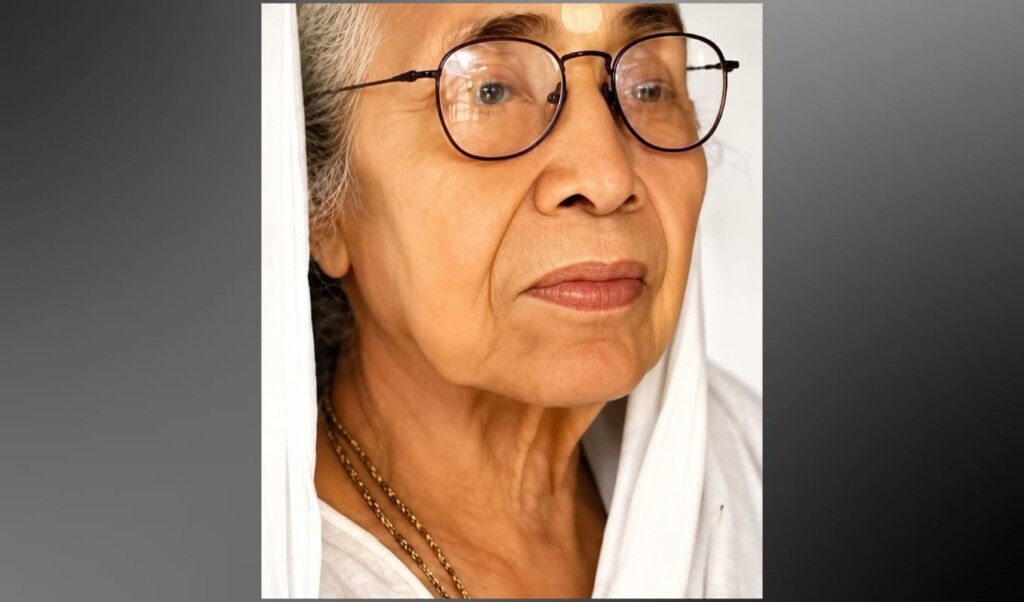
The history of the Indian independence movement and the subsequent birth of Bangladesh is defined by extraordinary individuals whose courage reshaped the destiny of the Bengal region. Amongst these illustrious figures stands Suhasini Das, a fearless revolutionary leader, community organiser, and dedicated humanitarian whose selfless service spanned several decades of turbulent history in Eastern Bengal.
Born on 16 August 1915 in Jagannathpur, situated within the Sunamganj district of present-day Bangladesh, Suhasini was the eldest of four siblings raised by Peary Mohan Roy and Shobha Roy. Her early life was marked by sudden tragedy; having been married at the age of sixteen to Kumud Chandra Das, a wealthy merchant from Sylhet, she was widowed just four years later. Transforming her personal grief into unyielding social purpose, she relinquished the vast majority of her inherited wealth to fund charitable endeavours, retaining only a modest portion for her basic sustenance.
Her formal entry into anti-colonial politics gained momentum during Mahatma Gandhi’s Quit India Movement in 1942, an campaign that led to her imprisonment by British authorities. By the time of the 1946 general elections, she had established herself as a vital organiser for the Indian National Congress candidates, mobilising women across the region.
Following the 1947 Partition, Suhasini shifted her focus towards the Rangirkul Ashram, established in the hills of Kulaura. Her finest hour arrived during the 1971 Bangladesh Liberation War. As the Pakistani military unleashed widespread violence across the countryside, Suhasini refused to evacuate the ashram. Demonstrating remarkable resilience, she transformed the sanctuary into a refuge for displaced civilians, repeatedly confronting hostile forces to protect those in her care.
After independence, she withdrew from frontline party politics to champion women’s economic self-reliance and social welfare. Her extraordinary lifelong commitment received formal international and national recognition: the Government of India honoured her as a freedom fighter in 1973, and she was awarded the prestigious National Social Welfare Award by the Bangladesh government in 1996.
Suhasini Das passed away on 24 May 2009 at the age of 93. Her legacy endures as a shining beacon of moral courage, proving that compassionate conviction and unwavering fortitude remain humanity’s most formidable weapons against oppression.