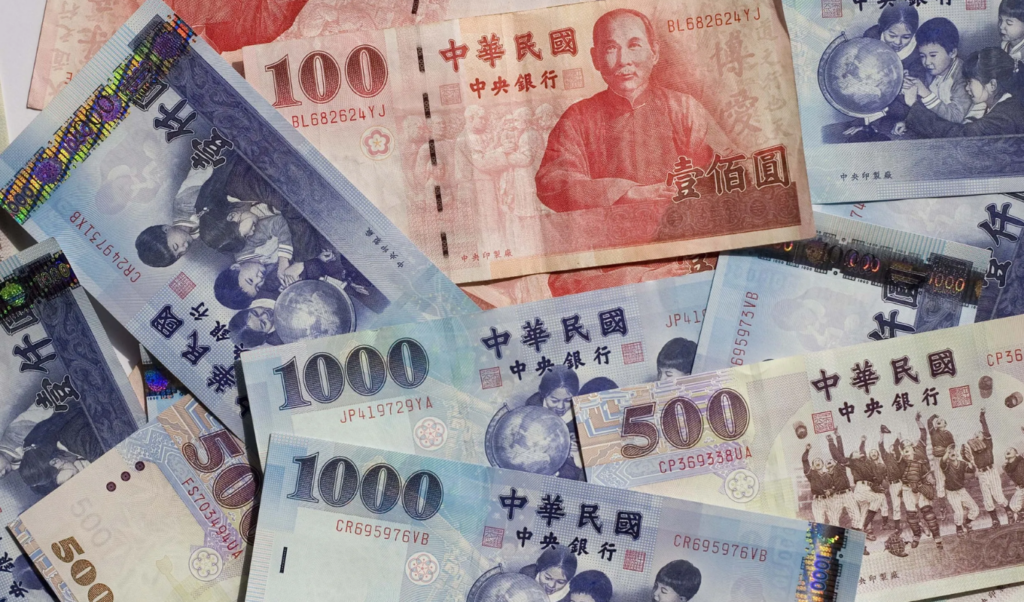
The Taiwanese insurance landscape underwent a significant transformation throughout 2025, as appetite for foreign-currency-denominated products reached new heights. According to the latest figures released by the Insurance Bureau under the Financial Supervisory Commission, the sector witnessed a robust 30% year-on-year increase in new business premiums. By the close of December 2025, total premium income for these specialised policies climbed to approximately $13.4 billion (NT$418.918 billion), up from $10.3 billion the previous year.
This surge reflects a growing sophisticatedness among Taiwanese investors and policyholders who are increasingly looking beyond domestic currency options to hedge against volatility and seek higher yields in international markets.
Market Dynamics: Traditional vs. Investment-Linked
While the overall market grew, the internal dynamics of the insurance sector reveal a preference for stability, even as interest in higher-risk vehicles accelerates.
-
Traditional Policies: These remain the bedrock of the industry. Comprising roughly 83% of the total market share, traditional foreign-currency life insurance generated $11.2 billion in new premiums. This represents a 28% increase from the 2024 figure of $8.7 billion. The appeal of these products lies in their predictable returns and capital preservation features, which resonate with the conservative fiscal culture prevalent among Taiwan’s ageing population.
-
Investment-Linked Products (ILPs): Although they account for a smaller portion of the total—roughly 17%—ILPs demonstrated the most aggressive growth. Premium income from these products soared by 41%, jumping from $1.6 billion to $2.3 billion. This indicates a burgeoning segment of the population willing to accept market-linked risks in exchange for the potential of greater capital appreciation.
Comparative Performance Analysis (2024–2025)
The following table outlines the performance metrics of the foreign-currency insurance sector, highlighting the shift in consumer capital allocation:
| Policy Category | 2024 Premiums (USD) | 2025 Premiums (USD) | Year-on-Year Growth | Market Share (2025) |
| Traditional Policies | $8.7 Billion | $11.2 Billion | 28% | 83.6% |
| Investment-Linked | $1.6 Billion | $2.3 Billion | 41% | 16.4% |
| Total Market | $10.3 Billion | $13.4 Billion | 30% | 100% |
Drivers of Growth in the Taiwanese Market
Several macroeconomic and cultural factors have converged to propel this $3.1 billion expansion in just twelve months.
1. Interest Rate Differentials
Throughout 2025, the disparity between interest rates offered by the Central Bank of the Republic of China (Taiwan) and those of foreign central banks—particularly the US Federal Reserve—remained a primary motivator. Taiwanese savers have pivoted towards US dollar-denominated policies to capture higher interest margins that are simply unavailable in the local TWD market.
2. Currency Diversification
With global geopolitical tensions often placing the New Taiwan Dollar in a sensitive position, high-net-worth individuals in Taipei and Kaohsiung have increasingly viewed foreign-currency insurance as a “safe haven” asset. Holding assets in major global currencies provides a natural buffer against local currency depreciation.
3. Product Innovation
Insurers across the island have become more adept at tailoring products to specific demographic needs. New “multicurrency” riders and flexible premium payment structures have made it easier for middle-class families to enter a market that was once reserved for the ultra-wealthy.
Future Outlook
Analysts suggest that while the 30% growth rate is remarkable, the sustainability of this trend depends heavily on global monetary policy. Should international interest rates begin to equalise with Taiwan’s domestic rates, the breakneck speed of ILP growth may temper. However, for the time being, the Insurance Bureau’s data confirms that foreign-currency products are no longer a niche luxury but a cornerstone of the Taiwanese financial planning toolkit.