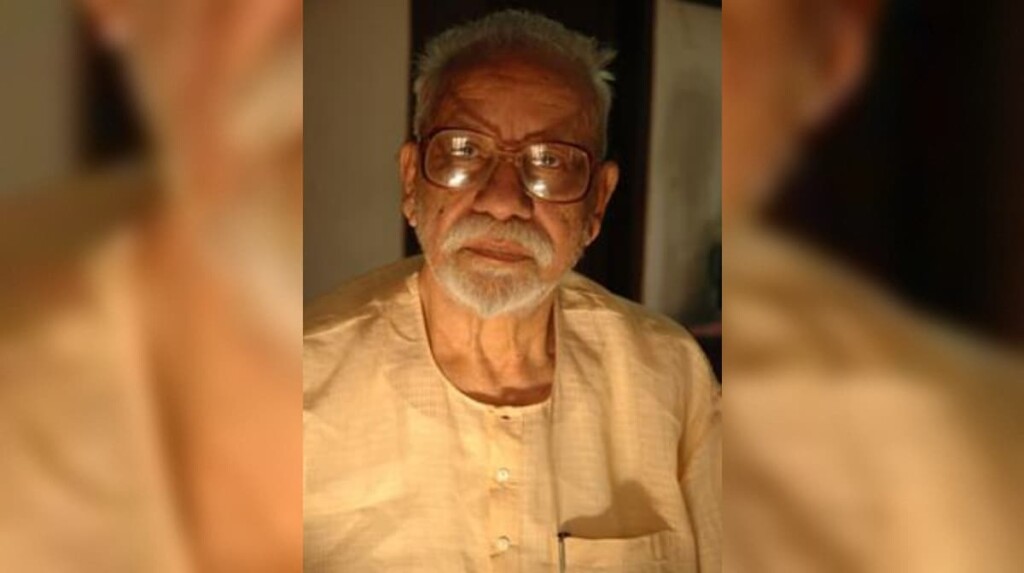
Gaziul Huq occupies a distinguished position in the history of the struggle to establish the status of the Bengali language. He was an accomplished writer, lyricist, lawyer, and an influential organizer of the historic Language Movement. Born Abu Nasr Mohammad Gaziul Huq, he transformed from a dedicated movement worker into a frontline leader, utilizing both his voice and pen to assert the linguistic rights of the people of East Bengal.
Ancestry, Early Life, and Educational Background
Gaziul Huq was born on 13 February 1929 in Nichinta village, situated within the Chhagalnaiya police station area of the Feni district. He was raised in a politically conscious household; his father, Maulana Sirazul Huq, was an active participant in both the Congress and Khilafat movements, while his mother, Nurjahan Begum, provided a nurturing and principled upbringing. This domestic environment instilled in him an early commitment to patriotism, justice, and social responsibility.
His formal education began in a local Maktab. He later pursued his higher education at Dhaka University, where he successfully completed his Master’s degree. It was during his earlier studies at the historic Government Azizul Haque College in Bogra that he came under the direct mentorship of the renowned linguist Dr Muhammad Shahidullah, an encounter that profoundly shaped his political ideology and social perspective.
Vanguard of the Language Movement
In 1950, as the demand for the recognition of Bengali intensified, the State Language Action Committee (Rashtrabhasha Sangram Parishad) was formed at Dhaka University, and Huq immediately became a core member. Working alongside prominent figures such as Abdul Matin, he helped mobilize student opposition against the Pakistani ruling elite’s decree that Urdu would be the sole state language of Pakistan.
Huq’s presence was pivotal during the subsequent student rallies, strikes, and political programs staged at the historic Amtala (mango tree grove) on the Dhaka University campus. On 21 February 1952, when the government imposed Section 144 to ban all public gatherings, Huq was among the courageous student leaders who deliberately defied the curfew. This act of civil disobedience remains a defining chapter in the history of the movement.
Huq also captured the emotional weight of the struggle through song. He penned the iconic nationalist lyrics:
“Bhulbona, bhulbona, bhulbona / Ei Ekushey February bhulbona”
(We shall not forget, we shall not forget, we shall not forget / This 21st of February we shall not forget)
This composition held a sacred place in the movement, serving as the primary anthem sung during the annual Prabhat Feri (early morning memorial processions) up until 1955.
Professional Jurisprudence and Literary Output
Following his student activism, Huq built a distinguished legal career. He joined the Bogra Bar in 1957 under the tutelage of the respected jurist Syed Nawab Ali. He maintained his civic engagement by playing an active role in the 1962 Education Movement. In 1963, he was enrolled to practice law at the Dhaka High Court, and by 1972, he had advanced to the Supreme Court of Bangladesh, establishing a reputation as a highly skilled and respected advocate before the nation’s highest judiciary.
Concurrently, Huq made significant contributions to Bengali literature. His published bibliographies reflect his deep commitment to historical awareness and human values, featuring works such as:
-
Jailer Kobita (Poems from Jail)
-
Ekhane O Shekhane Ekti Kahini (A Story Here and There)
-
Ebarer Sangram Swadhinar Sangram (This Struggle is the Struggle for Independence)
-
Egiye Cholo (March Forward)
-
Mohammed Sultan
-
Bangladesh-er Ganamadhyam Ain (Mass Media Laws of Bangladesh)
For his lifelong service to the nation, he was honored with the State Language Award, various commemorative medals, and the Sher-e-Bangla National Prize.
Final Years and Historical Remembrance
Gaziul Huq passed away on 17 June 2009. His decades of struggle, his cultural compositions, and his unyielding love for his mother tongue continue to serve as a national inspiration. He remains a brilliant representative of the generation that sacrificed their youth to protect the Bengali language.
Chronology of Gaziul Huq’s Life
The following table outlines the key dates and milestones in the life of Gaziul Huq:
| Date / Year | Historical Milestone | Focus Area |
| 13 February 1929 | Born in Feni district, East Bengal. | Early Life |
| 1950 | Joined the State Language Action Committee at Dhaka University. | Activism |
| 21 February 1952 | Defied Section 144 during the peak of the Language Movement. | Activism |
| 1952–1955 | His composition served as the chief Prabhat Feri anthem. | Cultural Impact |
| 1957 | Commenced his legal practice at the Bogra Bar association. | Legal Career |
| 1962 | Acted as an organizer during the Education Movement. | Activism |
| 1963 | Secured his certificate to practice at the Dhaka High Court. | Legal Career |
| 1972 | Enrolled as an advocate in the Supreme Court of Bangladesh. | Legal Career |
| 17 June 2009 | Passed away, leaving behind a legacy of civic and legal service. | Demise |