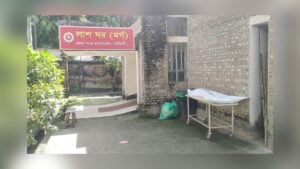
The Aedes mosquito-borne dengue situation in Bangladesh continues to deteriorate, with authorities confirming two more fatalities in the last 24 hours. Alongside these tragic deaths, another 327 patients have been admitted to various hospitals across the country, according to the Directorate General of Health Services (DGHS). These new figures push the national death toll to 27, highlighting a sharp and concerning increase in severe cases since the start of the monsoon season.
A closer look at the official data reveals a worrying trend for July. Of the 27 deaths recorded this year, nine occurred in the first 12 days of July alone, indicating that the virus is becoming increasingly lethal as the rainy season peaks. In its latest bulletin released on Monday, the DGHS stated that the two latest victims were from the Dhaka and Chittagong divisions. Dhaka remains the absolute epicentre of the outbreak, accounting for 142 of the newly hospitalised patients within the 24-hour window from Sunday morning.
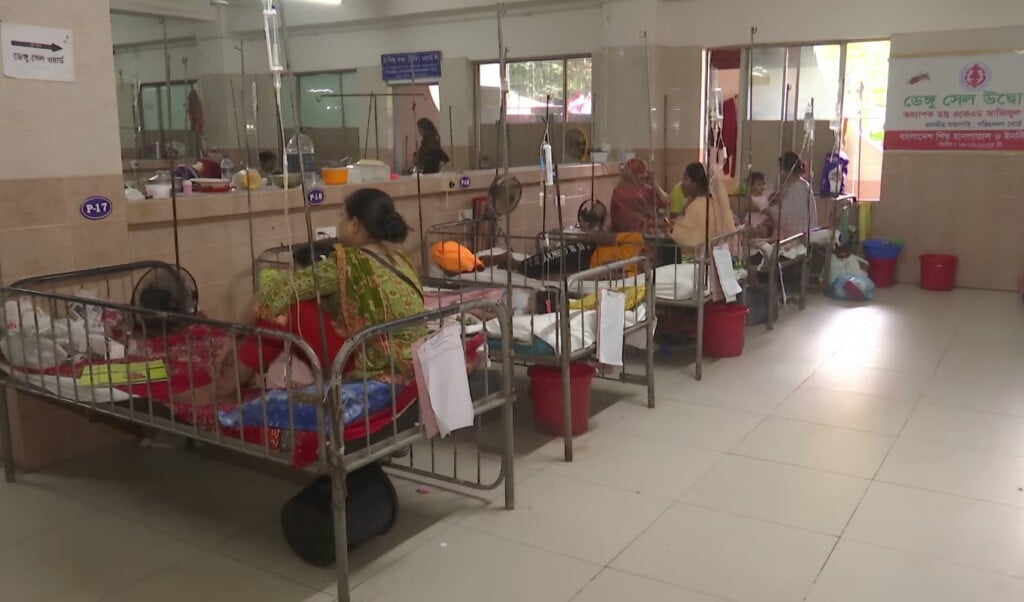
Currently, hospitals across the Dhaka division are treating 296 dengue patients. The capital region has also recorded the highest number of casualties this year, with 12 fatalities documented so far. Outside the capital, Barisal has emerged as the second worst-affected region. The division recorded 61 new hospitalisations over the last day, bringing its total number of institutionalised patients to 197.
The crisis is particularly visible within the Dhaka metropolis. Within the last 24 hours, hospitals under the Dhaka North City Corporation admitted 38 patients, whilst those under the Dhaka South City Corporation registered 43 cases. An additional 61 patients were hospitalised in areas outside the jurisdictions of the two city corporations.
On a more positive note, 230 individuals were discharged from healthcare facilities after recovering from the illness over the same period. According to DGHS metrics, a total of 8,650 people have been admitted to hospitals with dengue since 1 January. Of those, 7,800 have successfully recovered and returned home, leaving public health teams to focus on managing the active cases and curbing local mosquito breeding grounds.