Khabowrala online Desk
Published: 27 Mar 2026, 08:17 pm

The United States has deployed unmanned “drone speedboats” for maritime patrol operations in waters linked to its campaign against Iran, marking what the Pentagon has confirmed as the first known use of such systems in an active operational theatre.
According to a report published by Reuters on Friday (27 March), the unmanned vessels can be used for both surveillance missions and potential suicide-style attacks, although their current role has not been publicly detailed beyond patrol duties. The deployment has not previously been disclosed.
The introduction of these autonomous surface craft reflects a broader shift in modern naval warfare, where unmanned systems are increasingly being integrated into frontline operations. The development follows growing interest in low-cost, remotely operated vessels capable of extended missions without onboard crews.
The United States Navy has been working for several years to develop a fleet of autonomous and semi-autonomous vessels as a cheaper and faster alternative to traditional manned ships and submarines. The initiative has been particularly driven by the need to counter China’s expanding maritime capabilities in the Pacific region. However, the programme has faced repeated delays due to technical challenges, cost concerns, and unsuccessful testing phases.
| Feature | Description |
|---|---|
| System name | GARC (Global Autonomous Reconnaissance Craft) |
| Manufacturer | BlackSea Technologies (Maryland-based) |
| Type | Unmanned surface vessel (drone speedboat) |
| Operational command | US Fifth Fleet (Middle East operations) |
| Current mission | Maritime patrol under Operation Epic Fury |
| Endurance | Over 450 operational hours recorded |
| Range achieved | Approximately 2,200 nautical miles |
US Central Command (CENTCOM) spokesperson Commander Tim Hawkins confirmed that the vessels, manufactured by Maryland-based firm BlackSea Technologies, are currently operating as part of what the US military refers to as “Operation Epic Fury”, a broader regional maritime security effort targeting Iranian activity.
He stated that the Global Autonomous Reconnaissance Craft (GARC) systems have successfully completed more than 450 hours at sea and have travelled over 2,200 nautical miles during operational deployment.
However, Hawkins declined to provide details on other unmanned systems currently operating in the region. The manufacturer, BlackSea Technologies, also refused to comment when approached.
Unmanned maritime systems have gained increasing strategic importance in recent years, particularly following Ukraine’s use of explosive-laden drone boats against Russia’s Black Sea Fleet, which caused significant damage and demonstrated the effectiveness of low-cost autonomous naval warfare.
In the Middle East, tensions have also contributed to the accelerated adoption of such systems. Reports indicate that Iranian forces have previously used sea drones at least twice in attacks on oil tankers in the Gulf following heightened regional hostilities linked to US and Israeli military operations.
Despite this, there has been no official indication that the United States has used unmanned vessels in offensive strike roles until this latest confirmed deployment.
The US Navy’s broader autonomous vessel programme has experienced multiple setbacks over recent years. Earlier reporting by Reuters highlighted that prototype GARC vessels—approximately five metres in length and designed with angular, speedboat-like hulls—encountered a series of operational difficulties during testing.
These included performance limitations and safety incidents, such as a high-speed collision with another vessel during a military trial. According to sources familiar with the programme, another GARC unit reportedly became inoperable during a more recent test in the Middle East.
Officials have not publicly commented on these incidents.
Despite such challenges, the Pentagon continues to describe the GARC programme as an emerging capability aimed at enhancing maritime situational awareness and extending the reach of the US Fifth Fleet across strategically sensitive waters.
Military analysts suggest that the deployment of autonomous patrol boats near Iranian-controlled maritime zones signals a shift towards persistent, unmanned surveillance and potential rapid-response capabilities in one of the world’s most volatile naval corridors.
As tensions in the region remain elevated, the use of unmanned surface vessels is expected to expand further, reshaping the nature of naval operations and redefining risk on the modern battlefield.

> Fire at Sitakunda Farm Claims 23 Livestock
> Argentina’s Win Conceals Growing Concerns
> Measles Outbreak Strains Rajshahi Hospital Resources
> Dhoni Injury Hits Chennai Start
> Shariatpur July Memorial Set Ablaze by Chhatra League Member
> Dua Lipa Headlines A24 Comedy ‘Peaked’ Ensemble
> Insurance Leaders Accelerate AI Investment Amid Rising Cyber Risks and Skills Shortages
> Bangladesh Currency Exchange Rates Firm on 27 March
> Major Shake-Up Planned in 22 Banks
> Oil Prices Ease After US Delay
> Fraud Surge Threatens APAC Firms as Synthetic Identities Proliferate
> Chattogram Receives Major Fuel Shipment
> Bangladesh Arrive in Singapore Ahead of Final AFC Asian Cup Qualifier


Argentina’s 2–1 triumph over Mauritania delivered the expected result, but beneath the surface, the...

The opening day of the 2026 Indian Premier League has brought an early setback for Chennai Super Kin...

In a disturbing incident in Shariatpur, a portion of the July Memorial was deliberately set on fire,...

Dua Lipa is confirmed to join the cast of the upcoming A24 comedy Peaked, marking her first foray in...

The ongoing war in Iran has left an indelible mark on citizens, but when reflections come from the d...

American pop icon Taylor Swift celebrated an extraordinary evening on Thursday, 26 March, as she sec...
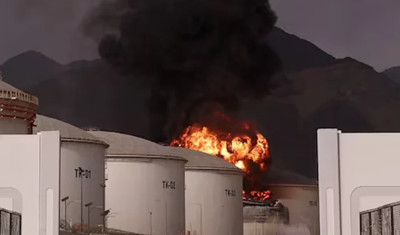
In the early hours of Saturday, the United Arab Emirates witnessed a significant escalation in regio...

The insurance sector witnessed a particularly active week from 23 to 27 March 2026, characterised by...
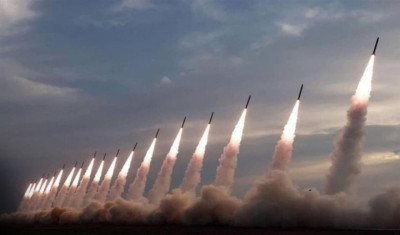
The ongoing conflict between Israel and Hamas, now entering its second month, has escalated to a wid...

In a dramatic turn of events, former Prime Minister K. P. Sharma Oli and ex-Home Minister Ramesh Lek...

A local leader of the United People’s Democratic Front (Democratic) has been shot dead in a violent...

The United Nations Security Council is scheduled to convene a closed-door meeting in New York on Fri...


Availabe for iphone & ipads

Available in google play
 বাংলা
বাংলা