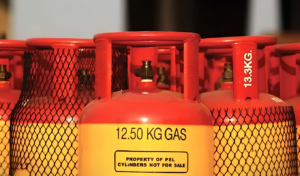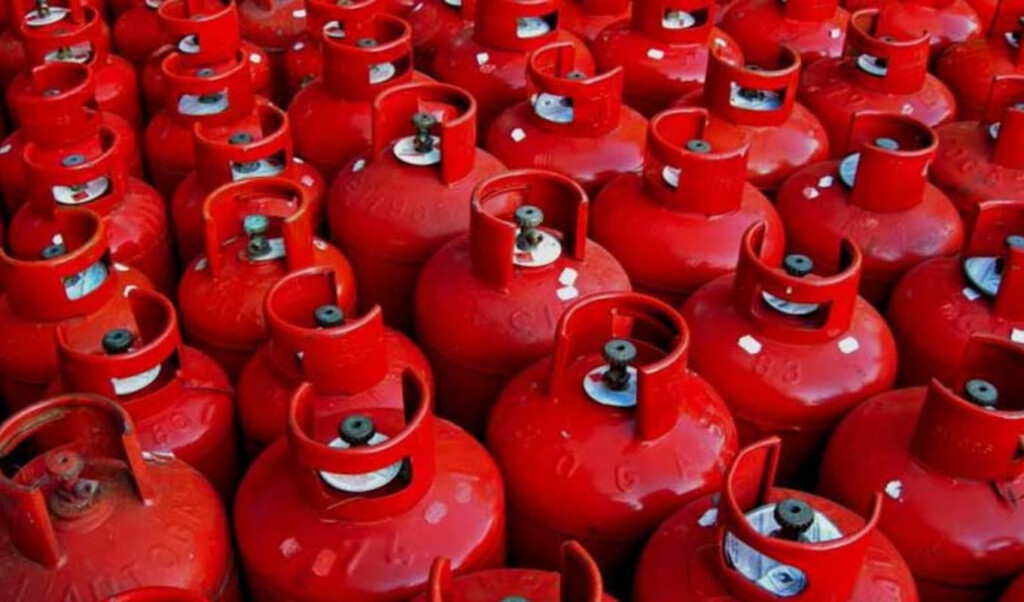
Liquefied petroleum gas (LPG) imports have risen sharply this month, yet consumers across Bangladesh continue to face elevated retail prices, underscoring persistent distortions in the supply chain. Industry leaders and traders attribute the earlier disruption to instability in the Middle East, which placed pressure on established sourcing routes. In response, importers turned to alternative markets, increasing procurement volumes. However, a substantial portion of those consignments has yet to arrive at domestic ports, delaying any meaningful relief in the retail market.
According to official data, imports through Chattogram and Mongla ports reached 91,000 tonnes by 21 February, compared with 63,000 tonnes during the same period in January—an increase of approximately 44 per cent. Private jetties in Sitakunda typically handle an additional 20,000 to 22,000 tonnes per month. National daily demand averages around 5,000 tonnes, indicating that supply improvements are under way but not yet fully reflected in distribution channels.
Recent Import Situation
| Description | Volume |
|---|---|
| February imports (up to 21st) | 91,000 tonnes |
| January imports (same period) | 63,000 tonnes |
| Increase | ~44% |
| Average daily demand | ~5,000 tonnes |
| Total imports (last fiscal year) | 1,754,000 tonnes |
Despite the government fixing the price of a 12kg cylinder at Tk 1,356, retail prices in Dhaka and Chattogram range between Tk 1,600 and Tk 1,700. During the acute shortage in January, prices surged to between Tk 2,000 and Tk 2,500 per cylinder. Importers insist they are supplying at the regulated rate, yet allegations persist that excess margins are being added at the retail level.
Sector insiders note that a 44 per cent fall in imports last November, during the tenure of the interim administration, triggered the initial market instability. Delays in approvals throughout December and January prevented several major firms from expanding shipments. The resulting supply crunch intensified in January, driving prices sharply upwards. Subsequent policy adjustments allowed greater import volumes, gradually easing pressure.
At present, 28 companies are active in the LPG sector, 23 of which hold import licences. However, only 16 firms have imported actively during the current fiscal year, with nine companies accounting for roughly 92 per cent of total supply. While some operators have suspended shipments, larger firms have sourced LPG from Vietnam, Taiwan and Malaysia to stabilise the market.
Multiple tankers are currently en route to Chattogram, Mongla and Sitakunda. One leading industrial conglomerate alone has five vessels carrying 57,000 tonnes of LPG, with part of the consignment expected in the final week of February and the remainder in early March.
Industry representatives maintain that if this import momentum continues, overall supply will strengthen and price stability should gradually return. Nevertheless, they caution that without effective retail oversight and enforcement of regulated pricing, consumers may struggle to experience the full benefit of increased imports.