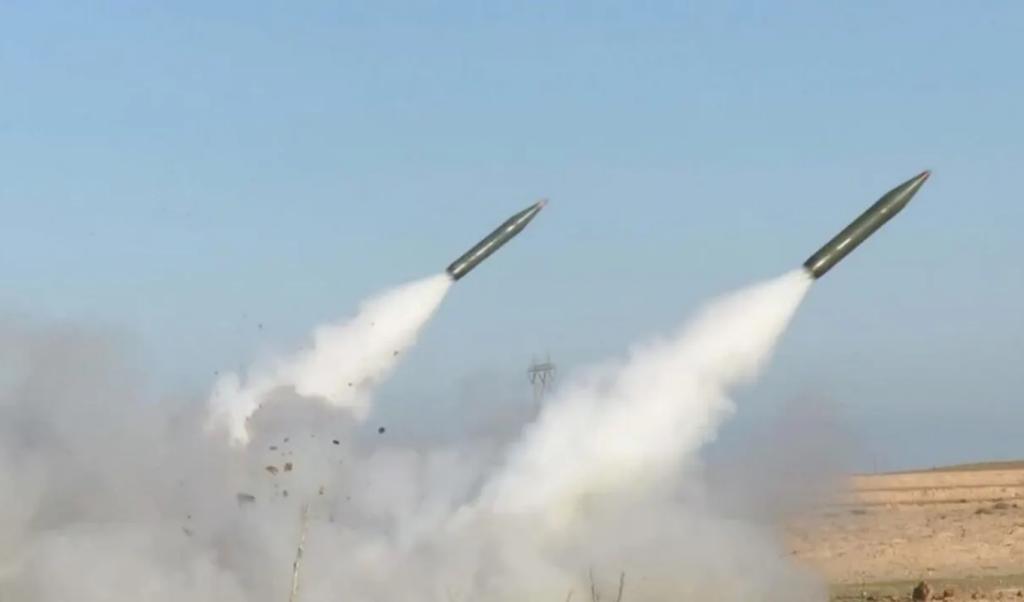
In a dramatic escalation of tensions in the Middle East, a missile reportedly launched from Iran struck a residential building in Amman, the capital of Jordan, on Saturday afternoon. The incident was first reported by the international news outlet The Times of Israel, citing local state media sources. As of now, the Jordanian government has not issued an official statement regarding casualties or damage, and Iran has yet to confirm its involvement.
Context and Regional Fallout
This attack follows a series of retaliatory strikes in response to the recent Israeli–US joint operation in the region. Reports indicate that several other Gulf states, including Saudi Arabia, Bahrain, Kuwait, and Abu Dhabi, have experienced explosions and missile threats in the aftermath of the escalating conflict.
According to Agence France-Presse (AFP), Iran has reportedly initiated a series of missile attacks in retaliation for the Israeli-US operations, further destabilising the region. Bahrain confirmed that its 5th US Naval Fleet headquarters had been targeted, heightening concerns over the security of strategic military installations in the Gulf.
Preliminary Impact Assessment
The following table summarises the available information on the missile strikes and reported impact across the affected countries:
| Country | Target/Location | Missile Type/Strike | Initial Impact/Status |
|---|---|---|---|
| Jordan | Residential building, Amman | Surface-to-surface | Structural damage reported; casualties unconfirmed |
| Bahrain | US 5th Naval Fleet Headquarters | Ballistic missile | Targeted military installation; structural damage |
| Saudi Arabia | Various civilian and military sites | Unknown | Explosions reported; damage extent under investigation |
| Kuwait | Military and strategic locations | Unknown | Preliminary reports of damage; authorities monitoring |
| Abu Dhabi | Unspecified urban and industrial sites | Unknown | Explosions and emergency response underway |
Regional Security Concerns
The missile strikes in Amman and other Gulf states have heightened regional security tensions, with neighbouring countries placing military forces on alert. Analysts suggest that the conflict could escalate further if retaliatory strikes continue, creating a volatile situation for civilian populations and critical infrastructure.
Jordanian authorities have reportedly deployed emergency response teams to assess damage and provide aid, although comprehensive details on casualties and the extent of destruction remain limited. International observers are closely monitoring developments as the situation continues to unfold, warning that the risk of broader conflict could grow if diplomatic channels fail to de-escalate the crisis.
The incident underscores the increasing complexity of Middle Eastern geopolitics, where proxy and direct conflicts intersect, creating unpredictable security threats across the region.