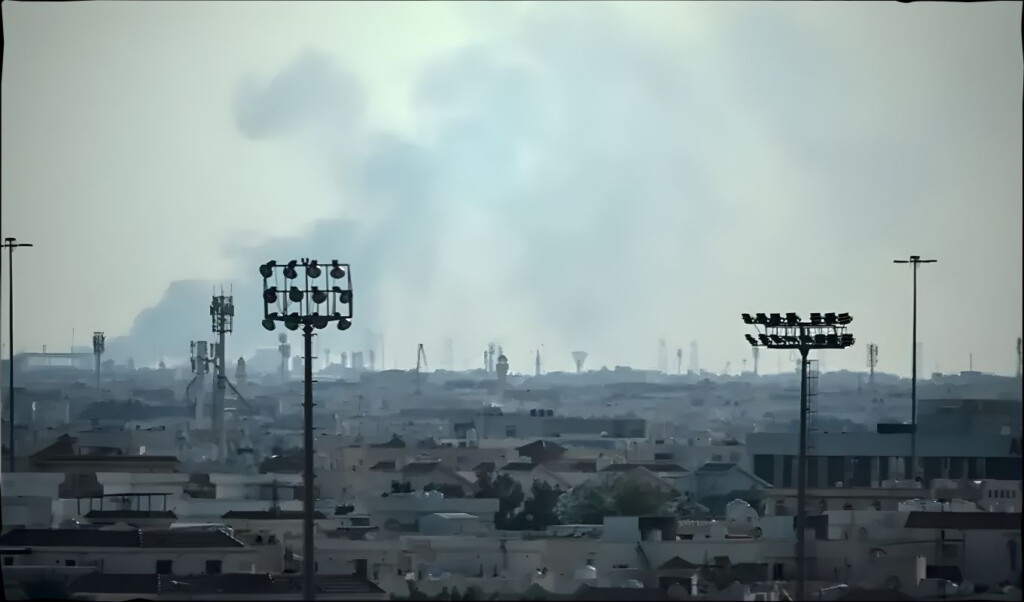
The outbreak of hostilities between Iran, Israel, and the United States has sent shockwaves through international oil markets, causing crude oil prices to spike sharply. Over the past three days, the cost of unrefined crude oil has risen by approximately 13 per cent, stoking concerns over global energy stability.
The conflict erupted on 28 February when Tehran was struck in a military operation, marking the formal onset of the Iran–Israel–United States confrontation. Oil prices, however, had already begun to climb the previous day, indicating market apprehension over potential supply disruptions.
According to reports from AFP, the first benchmark, Brent Crude, opened at $72 per barrel on Friday, 27 February, but surged to $82 per barrel by the close of trading. Similarly, the second benchmark, West Texas Intermediate (WTI), rose from $60 per barrel at the start of the day to over $70 per barrel by evening.
| Benchmark Oil | Opening Price (27 Feb) | Closing Price (27 Feb) | Percentage Increase |
|---|---|---|---|
| Brent Crude | $72 | $82 | 13.9% |
| WTI | $60 | $70 | 16.7% |
The conflict has already driven prices up by roughly 10 per cent before the official commencement of hostilities, with the current escalation pushing the increase to 13 per cent.
On the very day the conflict began, Iran announced a suspension of all shipping through the strategically vital Strait of Hormuz. This narrow waterway, linking the Arabian Sea and the Persian Gulf, handles around 20 per cent of the world’s daily oil and liquefied gas shipments, making it a critical artery for global energy trade.
Experts monitoring international oil markets have warned that if the suspension persists, supply shortages could intensify further. Analysts from Rystad Energy told AFP that while alternative shipping routes could be used, a continued closure of the Strait of Hormuz could reduce global daily oil supply by between 8 million and 10 million barrels—placing significant upward pressure on prices worldwide.
The rapid surge in crude oil prices reflects broader market anxieties about the conflict’s impact on energy security, and investors are closely watching developments in the Middle East. With supply constraints looming and geopolitical tensions escalating, global oil markets face heightened volatility in the coming weeks.